 Spicy Trip

Introduction to Hygiene in Adult Nightlife Venues
Hygiene practices in erotic venues have evolved significantly by 2026, becoming a top priority for swingers clubs and similar adult nightlife spaces. Visitors seek environments that prioritize cleanliness to ensure safety and comfort during intimate events. This article examines sanitation protocols at leading locations, offering practical insights for attendees. As the industry matures, clubs are adopting advanced technologies and transparent reporting to build trust with guests who value both excitement and well-being.
Why Hygiene Standards Matter in Swingers Clubs
Effective hygiene reduces health risks in shared spaces where physical contact is common. Venues that maintain rigorous cleaning schedules demonstrate commitment to guest well-being. Poor standards can lead to infections or discomfort, making thorough reviews essential before attending events. In 2026, heightened awareness following global health discussions has pushed clubs to exceed minimum requirements, incorporating air filtration systems and antimicrobial surfaces as standard features.
Arrival Checklists for Cleanliness Verification
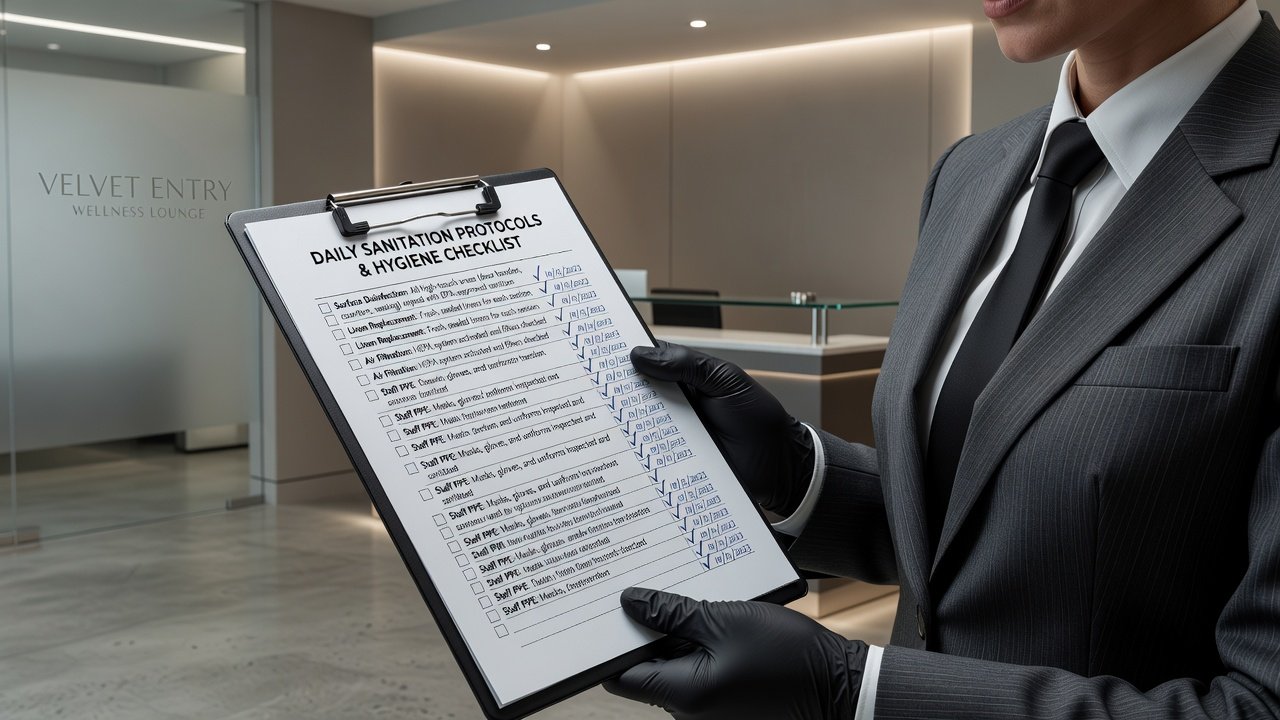
Upon entering a venue, guests should follow a structured checklist. First, inspect restrooms for stocked supplies and spotless fixtures. Next, examine play areas for fresh linens and disinfected surfaces. Finally, note ventilation systems that promote air quality. These steps help confirm ongoing maintenance. Additional items on an expanded checklist include verifying hand sanitizer stations at multiple points, checking for visible pest control measures, and confirming that all shared equipment undergoes documented cleaning between uses. Guests who complete this process report higher satisfaction and reduced anxiety during visits.
Staff Training Practices for Sanitation
Leading clubs invest in regular staff training on hygiene protocols. Employees learn proper disinfectant application, waste disposal methods, and personal protective equipment use. Training often includes scenario-based drills to handle high-traffic periods efficiently, ensuring consistent standards throughout events. Many venues now require monthly certification updates, covering topics such as chemical handling safety and rapid response to spills. This ongoing education helps prevent lapses that could compromise the entire facility.
Comparisons Across Club Formats
Private members-only clubs typically feature more personalized cleaning routines compared to larger public events. Boutique venues may emphasize eco-friendly products, while high-volume locations focus on rapid turnover sanitation. Reviews from 2026 highlight how upscale establishments often exceed basic requirements through advanced UV sterilization techniques. In contrast, warehouse-style clubs might rely on industrial-grade floor scrubbers and team-based cleaning crews that rotate every two hours. Regional differences also appear: European venues frequently integrate natural ventilation strategies, whereas North American clubs lean toward chemical disinfectants approved by regulatory bodies.
Practical Examples from Reviewed Venues
Reviews of prominent swingers clubs reveal varied approaches. A top-rated European venue employs hourly surface wipes in common areas and provides individual hygiene kits. In North America, certain locations partner with local health inspectors for compliance verification, setting benchmarks for others. One Midwest club implemented a color-coded zoning system where red zones receive deep cleaning every 30 minutes during peak hours. Another West Coast establishment uses app-based logging so staff can record each sanitation task in real time, allowing management to audit performance instantly.
Step-by-Step Assessment Tips for Visitors
These tips empower informed decisions and promote accountability across the industry. Begin by researching venue websites for hygiene policy details before arrival. Observe staff interactions with cleaning equipment during your visit. Request tours that showcase sanitation stations. Share experiences in trusted community forums to aid others. Further steps include timing your arrival to coincide with shift changes when fresh cleaning occurs, asking about the venue's last professional deep-clean date, and noting whether guests are encouraged to contribute by wiping down surfaces after use. Documenting observations with photos can also help when providing constructive feedback later.
Common Mistakes to Avoid When Evaluating Hygiene
- Assuming visible cleanliness equals thorough sanitation—always check hidden areas like under furniture or behind curtains.
- Ignoring ventilation quality, which plays a critical role in reducing airborne particles.
- Overlooking guest responsibility, such as proper disposal of personal items.
- Relying solely on online reviews without cross-verifying with recent visitor reports.
Long-Term Benefits of Strict Hygiene Protocols
Clubs that prioritize hygiene often see repeat visits and positive word-of-mouth. Guests feel more relaxed, leading to better overall experiences. Over time, these standards contribute to a safer community reputation and may even influence insurance rates favorably for well-maintained properties.
Addressing Visitor Safety Concerns: FAQ
What cleaning products are commonly used?
Venues favor EPA-approved disinfectants effective against common pathogens, applied according to manufacturer guidelines. Many also incorporate hospital-grade solutions for high-contact zones.
How often are linens changed?
High-quality clubs change linens after every use, with some offering sealed, freshly laundered options upon request. Some facilities now use disposable barriers in addition to traditional fabrics.
Are there health screenings for staff and guests?
Many implement voluntary wellness checks or encourage pre-event health declarations to maintain a safe atmosphere. Temperature checks at entry remain common in select locations.
What if I notice a hygiene issue?
Immediately notify staff or management; reputable venues respond swiftly and may offer compensatory measures. Some provide feedback forms at the exit for anonymous reporting.
How do venues handle peak event nights?
Extra cleaning teams are deployed, with dedicated monitors circulating to spot and address issues in real time. Protocols often include staggered entry times to allow interim cleanings.
Conclusion
Hygiene practices in 2026 swingers clubs reflect a maturing industry focused on guest safety. By using checklists, understanding training protocols, and reviewing venue comparisons, visitors can enjoy experiences with greater confidence. Prioritizing these elements ensures erotic venues remain welcoming and secure spaces. For broader health guidelines, consult CDC resources, WHO hygiene standards, or EPA disinfectant recommendations.

No comments yet. Be the first!