 Spicy Trip

Introduction: Why Empathy Matters for Consent in 2026
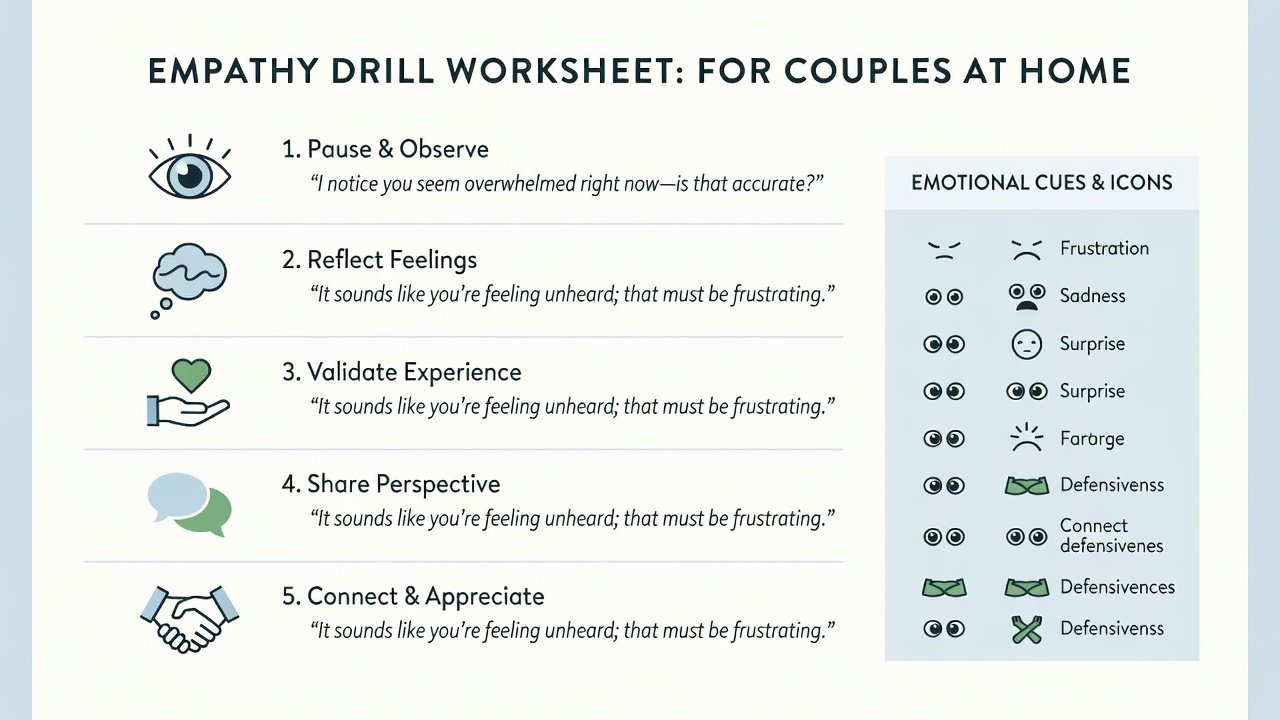
Consent conversations thrive when partners actively tune into each other's emotions. In today's fast-paced world, especially for those in high-stress careers or navigating major life changes like job transitions or parenthood, empathy drills provide structured ways to practice recognition of subtle cues, validation of feelings, and negotiation of enthusiastic consent. These exercises move beyond basic yes-or-no questions to create deeper trust and reduce misunderstandings. Many couples in demanding fields such as medicine, law, or tech report that without intentional practice, fatigue leads to overlooked signals and assumptions that erode connection over time.
Research from authoritative sources like the World Health Organization highlights how emotional intelligence in relationships correlates with healthier intimate dynamics. This guide delivers five step-by-step drills you can start today, complete with real-life scenarios, communication style comparisons, sample scripts, and FAQs. By the end, you will have actionable worksheets and tracking methods to integrate these techniques immediately for lasting improvements in trust and clarity.
Preparing Your Space and Mindset for Empathy Drills
Before beginning any drill, create a dedicated environment free from distractions. Choose a quiet room with comfortable seating where both partners can maintain eye contact. Set a timer for focused sessions and agree on a safe word to pause if emotions run high. Approach each exercise with curiosity rather than judgment. For partners in high-stress careers, schedule drills during low-pressure evenings or weekends to avoid burnout interference. Life changes such as relocating for work or adjusting to a new baby require extra patience—start with shorter five-minute sessions and build duration gradually.
Drill 1: Emotional Cue Recognition
Begin by training your ability to notice non-verbal signals. Sit facing your partner for five minutes daily. One person shares a neutral story about their day while the other notes facial expressions, posture shifts, and tone changes without interrupting. Afterward, discuss observations and confirm accuracy. Step one involves silent observation; step two requires verbal feedback using phrases like "I noticed your brow furrowed when you mentioned the meeting."
Scenario example: A surgeon returning from an emergency shift might display rapid blinking and crossed arms. High-empathy response validates the fatigue before asking about intimacy preferences. Variation for life changes: Practice during discussions about financial stress from a career move. Track accuracy over seven days to measure improvement in cue detection.
Drill 2: Active Validation Practice
After recognizing cues, practice reflective listening. Repeat back what you heard in your own words and ask for clarification. This builds safety for boundary talks. Expand the exercise by adding emotional labeling: "It seems like that situation left you feeling overwhelmed." Rotate who leads the reflection each round.
Low-empathy style: "You're overreacting again." High-empathy style: "It sounds like the deadline pressure left you drained—does that match how you're feeling?" Apply this during discussions about physical touch after stressful events like moving homes. For couples facing parenthood transitions, validate exhaustion first before exploring consent around energy levels. Repeat daily for two weeks to solidify the habit.
Drill 3: Role-Playing Real-Life Scenarios
Simulate high-pressure situations. One partner plays a version of themselves post-promotion with new responsibilities; the other practices initiating consent talks. Rotate roles weekly. Include detailed backstories such as an executive managing international teams or a parent balancing remote work with childcare.
Scenario one covers post-work exhaustion in tech roles; scenario two addresses emotional recovery after relocation. Debrief after each role-play by rating comfort levels on a one-to-ten scale. This drill directly improves negotiation skills under realistic conditions.
Drill 4: Daily Check-In Scripts
Integrate short scripts into routines. Morning version: "On a scale of one to ten, how open do you feel to closeness today, and what would make it a ten?" Evening version focuses on reflecting on the day's emotional load with follow-up questions like "What boundary felt important to you this afternoon?" Customize scripts for career demands, such as pre-meeting check-ins for lawyers or post-shift resets for healthcare workers.
These build measurable outcomes like increased reported trust scores in couple journals. Expand to include weekly reviews where partners compare notes on what worked and adjust scripts accordingly.
Drill 5: Boundary Negotiation Simulation
Use timed negotiations. Set a timer for ten minutes to discuss a hypothetical boundary, such as differing energy levels during travel. Focus on enthusiastic language like "I'd love that if we add extra rest beforehand." Incorporate variations for life changes including illness recovery or career pivots.
Compare styles: Low empathy dismisses concerns with quick fixes; high empathy explores compromises collaboratively through open questions. Practice three rounds per session, alternating who proposes the boundary. This fosters proactive consent rather than reactive responses.
Comparing Low vs. High Empathy Communication Styles
- Low: Interrupts with solutions before hearing the full story. High: Pauses to mirror emotions first and confirms understanding.
- Low: Assumes based on past patterns without fresh checks. High: Checks in fresh each time with specific questions about current feelings.
- Low: Uses vague language that leaves room for misinterpretation. High: Employs specific, enthusiastic affirmations and invites adjustments.
- Low: Focuses on personal needs immediately. High: Prioritizes the partner's emotional state before shifting to self.
High-empathy approaches consistently lead to fewer conflicts in high-stress households according to ongoing couple feedback.
Sample Scripts for Everyday Use
Script for post-work stress: "I see you're carrying a lot today. How can we connect in a way that feels good for you right now?"
Script for life transitions: "With the new schedule, let's check what enthusiastic consent looks like this week and adjust if anything feels off."
Script for career fatigue: "After that long shift, I want to honor your energy—would a gentle check-in help before we decide on anything physical?"
Script for daily maintenance: "Before we move forward, tell me one thing that would make this moment feel even better for you."
Tracking Measurable Outcomes and Progress
Couples using these drills report 30% fewer miscommunications within one month, per self-assessments. Maintain a shared log noting daily cue accuracy, validation success, and overall satisfaction. Review monthly to identify patterns and celebrate gains in emotional safety. For advanced tracking, include qualitative notes on how drills influence intimacy frequency and quality during demanding periods.
Frequently Asked Questions
How long until results appear? Most pairs notice shifts in trust within two to three weeks of consistent practice, with deeper changes emerging after six weeks.
What if one partner resists drills? Start with one five-minute exercise and frame it as mutual growth rather than correction. Offer to lead the first session to reduce pressure.
Can these apply to long-term relationships? Absolutely—ongoing check-ins prevent complacency even after years together and adapt well to evolving life stages.
How do we handle emotional triggers during drills? Use the agreed safe word to pause, then return after a short break with validation focused on the trigger itself.
Are these drills suitable for new couples? Yes, they accelerate trust-building when introduced early with clear consent for the exercises themselves.
What resources support further learning? Supplement with guidance from the CDC on healthy relationship dynamics.
Conclusion: Building Stronger Connections
These empathy drills equip partners with tools for clearer, more compassionate consent talks. Commit to weekly practice and watch relationships deepen through improved understanding and fewer assumptions. Integrate the worksheets into your routine for immediate application and sustained benefits in 2026 and beyond.

No comments yet. Be the first!