 Spicy Trip
Understanding Orgasm Anatomy: The Basics
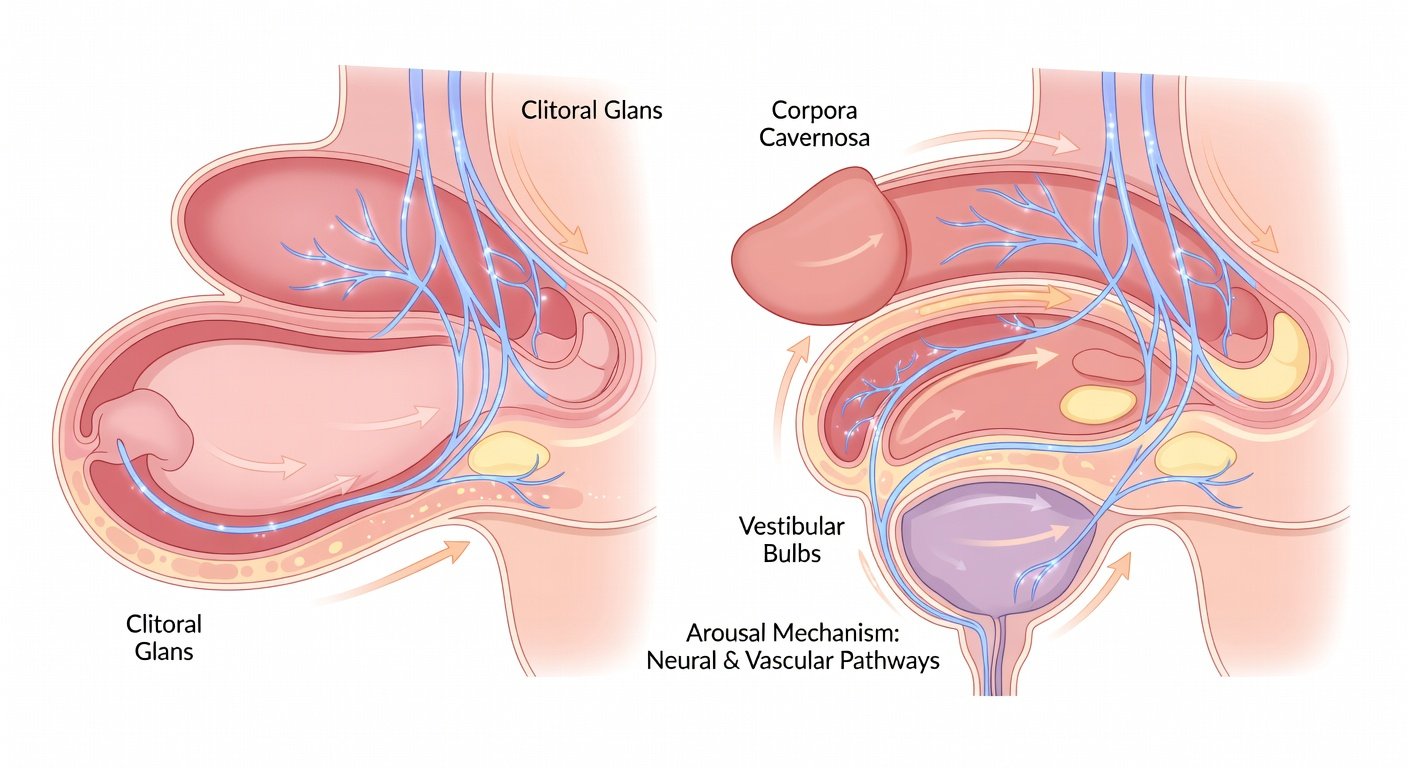
Orgasm is one of the most pleasurable experiences the human body can offer, but understanding its anatomy is key for beginners. At its core, orgasm involves a surge of pleasure from the brain and nervous system, triggered by stimulation of sensitive genital areas. For everyone, it's about building arousal through touch, fantasy, or emotional connection, leading to rhythmic muscle contractions and a release of tension.
Let's break it down by key components. The clitoris and penis are central players, packed with nerve endings designed for pleasure.
Clitoral Responses
The clitoris is a powerhouse of sensation, often called the "pleasure center." Visible as a small nub at the top of the vulva, it actually extends internally with "legs" that wrap around the vaginal canal—up to 10,000 nerve endings make it more sensitive per square inch than any other body part. During arousal:
- Blood flow increases, causing swelling (erection).
- The glans (tip) becomes hypersensitive.
- Internal parts engorge, heightening overall vulvar pleasure.
Orgasm here feels like waves of intense pulsing, often with full-body tingles. Fun fact: Not all orgasms require penetration; clitoral stimulation alone works for 70-80% of women.
Penile Responses
The penis mirrors this with its own erectile tissue. The glans (head) and frenulum (underside spot) are ultra-sensitive. Arousal phases include:
- Excitement: Blood rushes in, causing erection and pre-ejaculate for lubrication.
- Plateau: Heightened sensitivity, testicles elevate.
- Orgasm: Contractions eject semen (ejaculation), paired with euphoria.
- Resolution: Refractory period follows, varying by age/health.
Both clitoral and penile orgasms share brain chemistry—dopamine and oxytocin floods create that "high."

Safe Sex Techniques to Build Arousal
Building arousal safely prioritizes communication, lubrication, and gradual escalation. Start slow: Kissing, touching non-genital erogenous zones (neck, inner thighs, nipples) primes the body. Use plenty of lube—water-based for toys/condoms, silicone for longer sessions.
Simple Techniques for Clitoral Pleasure
- Circling: Use fingers or a toy in gentle circles around (not directly on) the hood.
- Tapping: Light, rhythmic taps build intensity without overwhelm.
- Grinding: Humping a pillow or partner's thigh mimics natural motion.
For partnered play, the "come hither" motion inside the vagina targets the G-spot (front wall, clitoral extension).
Penile Stimulation Basics
- Hand Strokes: Full-length grips with twisting at the head; vary speed/pressure.
- Oral: Swirling tongue on frenulum, suction on glans.
- Edging: Approach climax, then pause—intensifies final release.
Incorporate breathwork: Deep, synced breathing heightens connection. Always use barriers (condoms/dental dams) for STI prevention. Check out Planned Parenthood's safer sex guide for more.
Practical Tips for Enhancing Pleasure
Pleasure isn't just physical—mindset matters. Create a relaxed environment: Dim lights, music, no rush. Experiment solo first to learn your body.
Prioritizing Consent and Communication
Consent is non-negotiable: "Yes means yes," enthusiastic and ongoing. Use safewords (green=more, yellow=slow, red=stop). Discuss boundaries pre-play: "What feels good? Any no-gos?" This builds trust, amplifying arousal.
Hygiene and Health Essentials
Clean hands/toys with soap/water or toy cleaner. Pee post-sex to prevent UTIs. Trim nails to avoid scratches. Stay hydrated—dehydration dulls sensation. For wellness, track cycles via apps; hormonal shifts affect arousal.
Incorporate Kegels: Squeeze pelvic floor muscles (like stopping urine) 10x daily for stronger orgasms. Consult a doctor for persistent issues; resources like the WHO sexual health page offer global insights.
Advanced Beginner Tips
- Mindfulness: Focus on sensations, not goals—orgasms happen naturally.
- Toys 101: Bullet vibes for clitoris, strokers for penis—start low-speed.
- Positions: Missionary with clit access, cowgirl for control.
- Aftercare: Cuddles release oxytocin, deepening bonds.
Troubleshoot: Stress blocks pleasure—try meditation. Medications? Talk to pros. Remember, not every session ends in orgasm; enjoyment is the win.
Embracing Modern Sex Education
Sex ed evolves beyond basics, emphasizing pleasure equity. Everyone's wiring differs—some multi-orgasmic, others need recovery. Normalize variety: Queer, trans, disabled folks have unique paths. Communities like Planned Parenthood provide inclusive info.
Final thought: Pleasure is a right. Explore curiously, safely, consensually. Your body knows best—listen to it.


No comments yet. Be the first!