 Spicy Trip
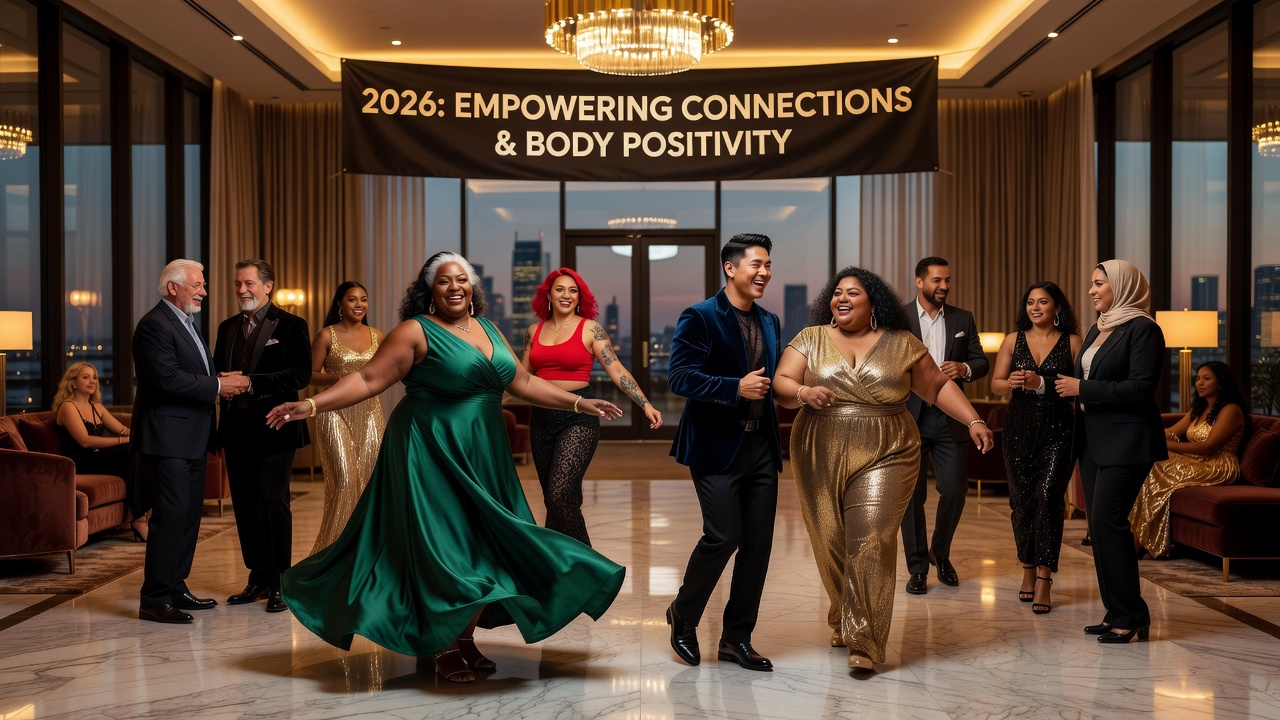
Introduction to Body Positivity in Modern Kink Spaces
In 2026, sex-positive parties and play parties continue to evolve toward greater inclusivity. Body positivity plays a central role in creating environments where beginners and veterans alike feel welcome regardless of shape, size, or appearance. This guide examines how embracing body acceptance enhances these events, offering concrete steps for personal practice and community building. Whether you are new to kink events or a seasoned participant, understanding body positivity helps reduce anxiety and fosters genuine connection. The focus remains on consent, respect, and self-acceptance as foundational elements that transform casual gatherings into supportive communities.
Attendees often arrive with a mix of excitement and apprehension. Body positivity reframes these experiences by emphasizing that every body is valid and capable of pleasure. Events that integrate these principles see higher engagement and repeat participation across diverse demographics.
Understanding Body Positivity at Sex-Positive Events
Body positivity in this context means recognizing that all bodies deserve respect and pleasure without judgment. At sex-positive parties, this translates to spaces where attendees celebrate diversity rather than compare themselves to unrealistic ideals. Research from health organizations highlights how positive body image supports mental well-being during intimate social settings. Traditional orgy settings often emphasized narrow beauty standards, leading to exclusion. In contrast, inclusive events prioritize emotional safety alongside physical consent. Attendees report higher satisfaction when events actively promote acceptance through education and moderated interactions.
Modern interpretations also incorporate intersectionality, acknowledging how race, disability, and gender identity intersect with body image. This layered approach ensures that body positivity is not a superficial slogan but a lived practice that addresses systemic barriers within kink communities.
Addressing Common Body Insecurities
Many participants worry about stretch marks, scars, weight, or aging. These concerns are normal yet manageable through preparation. Start by reflecting on personal triggers before attending an event. Journaling specific fears helps separate imagined judgments from reality. For instance, someone concerned about visible surgical scars might prepare by choosing clothing that allows optional coverage while reminding themselves that many attendees share similar experiences.
Practical techniques include mindfulness exercises focused on body neutrality. Instead of forcing positivity, aim for acceptance that your body is functional and worthy of pleasure. Events that incorporate pre-party workshops on these topics see improved attendee comfort levels. Reflection prompts such as listing three ways your body has brought you joy can shift focus from perceived flaws to appreciation.
Practical Steps for Attendees to Practice Self-Acceptance
Follow these actionable steps to build confidence before and during events:
- Choose outfits that feel comfortable and expressive rather than performative, testing them at home for ease of movement.
- Arrive with a support buddy or connect via event apps beforehand to establish a familiar face in the crowd.
- Set personal boundaries around touch and visibility in advance, writing them down as a quick reference.
- Practice positive self-talk using affirmations tailored to your experience, repeating them during moments of doubt.
- Engage in reflection prompts such as: What does my body allow me to enjoy today? How can I honor its needs in this space?
- Arrive early to acclimate to the environment and observe the inclusive atmosphere before diving into activities.
These habits transform anxiety into empowerment. Veterans often revisit these steps seasonally to maintain growth and adapt to new body changes over time.
Host Guidelines for Creating Judgment-Free Spaces
Event organizers hold significant responsibility. Successful hosts implement clear codes of conduct that explicitly ban body shaming and provide diverse representation in promotional materials. They ensure lighting flatters all skin tones and body types while offering body-positive changing areas. Additional measures include facilitating icebreaker activities centered on appreciation rather than critique. Regular feedback surveys help refine policies. One effective approach involves partnering with body positivity advocates for guest facilitation and ongoing training for staff.
Hosts also benefit from creating quiet zones where attendees can decompress without pressure. These spaces reinforce the message that participation is optional and self-paced.
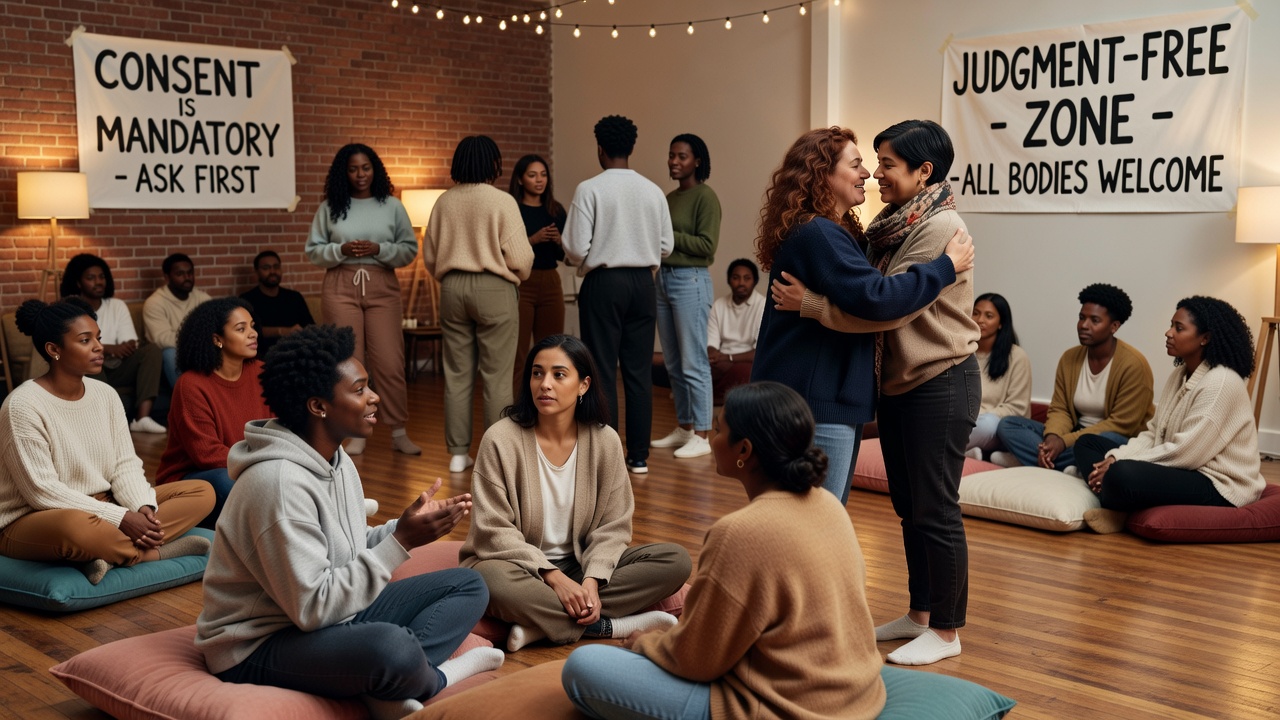
Etiquette Around Compliments and Consent
Compliments should focus on actions or energy rather than physical attributes unless explicitly invited. Always seek consent before commenting on appearance. Phrases like “I appreciate how you express yourself” maintain respect while avoiding objectification. Consent remains ongoing. Check in verbally throughout interactions. Resources from established health authorities emphasize that enthusiastic consent protects everyone involved. World Health Organization guidelines on sexual health provide foundational principles adaptable to party settings. Additional best practices include using neutral language when discussing preferences and immediately redirecting any conversation that veers into unsolicited critique.
Comparing Inclusive Versus Traditional Orgy Settings
Inclusive sex-positive parties differ markedly from older models. Traditional settings might feature unspoken hierarchies based on conventional attractiveness, often resulting in lower diversity and higher instances of exclusion. Modern inclusive events actively dismantle these through education, moderation, and visible policies. Key differences appear in attendee retention and diversity metrics. Inclusive spaces report broader participation across ages, abilities, and body types. This shift creates richer community experiences and reduces incidents of exclusion. For example, events that display clear signage about body acceptance see increased comfort among first-time visitors compared to venues without such messaging.
Real-World Examples from Diverse Events
Across North American and European cities in 2026, organizers host monthly play parties emphasizing accessibility. One recurring event in a major metropolis features themed nights celebrating different body narratives, leading to repeat attendance from varied demographics. Participants describe feeling liberated after attending sessions that include guided discussions on self-image. Another example involves hybrid virtual-in-person workshops that prepare newcomers through role-playing consent scenarios. These formats allow individuals to practice responses to body-related comments in a low-stakes environment before attending in person. Stories shared in post-event debriefs highlight lasting friendships formed through shared vulnerability and safer play practices.
FAQs on Navigating Body-Related Anxiety
How do I handle anxiety upon arrival? Take time in a quiet corner for grounding breaths. Many events designate low-pressure zones for this purpose, and arriving with a pre-written affirmation list can further ease the transition.
What if someone makes an unwelcome comment? Politely redirect or report to hosts. Clear policies empower swift resolution and demonstrate the event’s commitment to safety.
Can body positivity coexist with personal preferences? Yes. Preferences are valid when expressed respectfully without diminishing others. Focus on mutual enthusiasm rather than comparison.
How can I support others who seem insecure? Offer neutral encouragement and model positive self-talk without drawing attention to their bodies unless invited.
Fostering Community Support Beyond the Event
Building lasting support networks extends the benefits of body-positive parties. Attendees can form small accountability groups via private messaging apps to share experiences and encouragement between events. Hosts might organize follow-up virtual meetups focused on continued education. These efforts strengthen the overall community and encourage newcomers to return with greater confidence.
Conclusion and Next Steps
Body positivity strengthens the fabric of sex-positive communities by ensuring everyone can participate fully. Apply the steps outlined here to your next event, whether attending or hosting. Continued education and open dialogue will keep these spaces evolving toward true inclusivity in 2026 and beyond. Start by selecting one practical step from this guide and implementing it this month.
No comments yet. Be the first!