 Spicy Trip
Introduction: When Creativity Meets Desire in 2026
Creative workshops have long served as havens for self-expression, but in 2026 they have evolved into unexpected venues for adult adventures and erotic stories. Painting classes, pottery sessions, and writing groups now frequently spark passionate encounters that seamlessly blend artistic freedom with intimate connection. This comprehensive guide explores real-world examples from various disciplines, offers practical advice on reading attraction signals, navigating consent in group environments, and compares these organic experiences to the efficiency of app-based dating. Readers will discover anonymous confessions, detailed safety strategies, and actionable steps to explore responsibly while maintaining emotional boundaries.
The Psychology Behind Why Creative Workshops Spark Erotic Connections
Artistic environments naturally lower inhibitions because participants engage in shared vulnerability while creating something tangible. This process fosters rapid emotional bonds that differ markedly from digital interactions. Unlike dating apps that rely on curated profiles and algorithms, workshops allow organic chemistry to develop through sustained eye contact, shared laughter, and collaborative physical tasks. The tactile nature of clay or the emotional depth required in writing prompts accelerates attraction by activating similar neural pathways associated with intimacy and creativity. Many attendees report that the relaxed, judgment-free atmosphere encourages authentic self-expression, which in turn heightens mutual interest and physical chemistry.
Real Examples from Painting, Pottery, and Writing Sessions
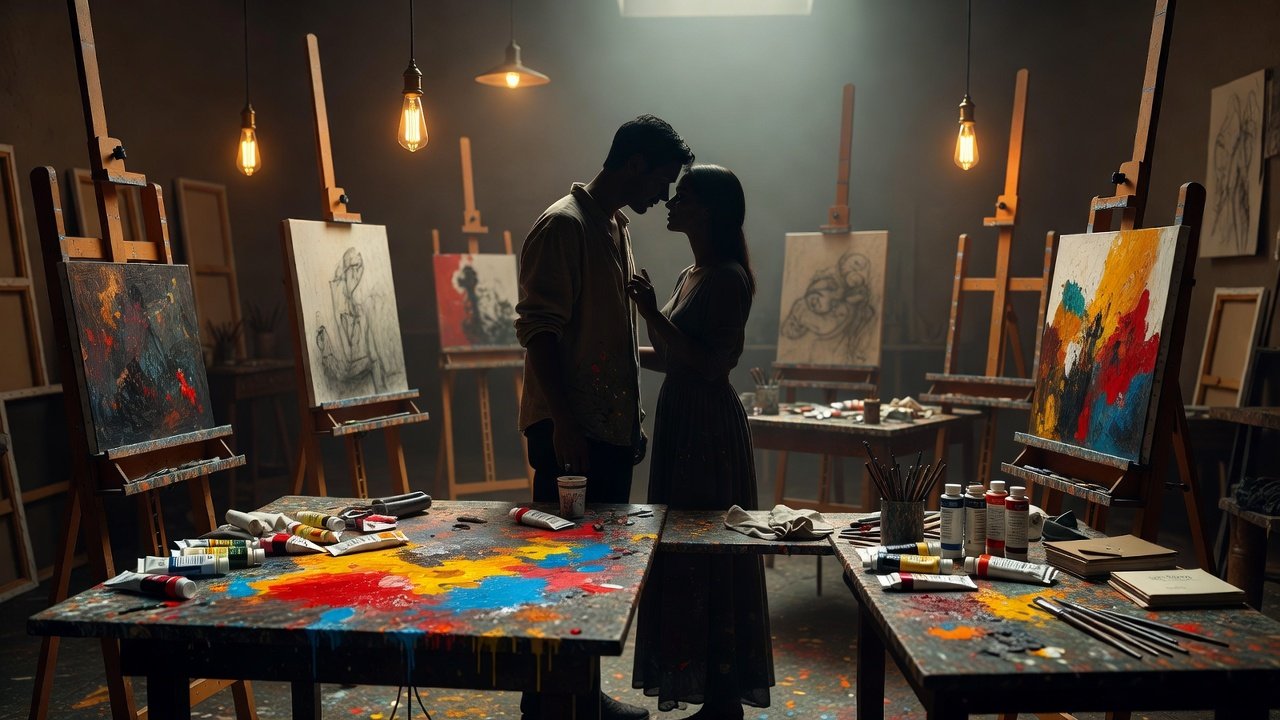
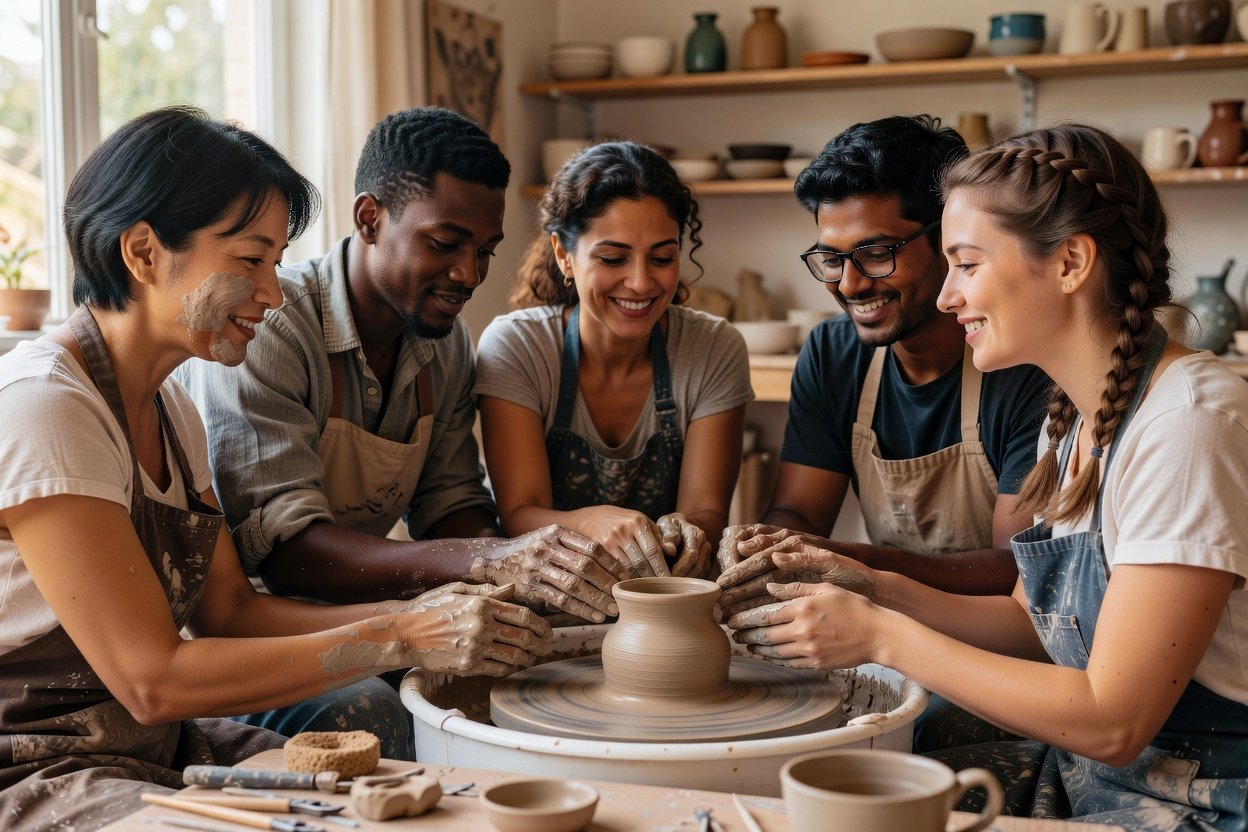
Painting workshops often feature dim lighting, background music, and occasional wine service, creating an inherently relaxed and sensual mood. Participants frequently find themselves leaning close to share brushes, critique compositions, or mix colors, which can lead to lingering touches and whispered conversations. Pottery classes involve direct hands-on guidance where instructors or fellow students place their hands over yours to shape the clay on the wheel; these instructional moments easily transition into more sensual territory when eye contact lingers or breathing synchronizes. Writing sessions centered on personal narratives or erotic prompts commonly evolve into profound after-hours conversations that cross into flirtation and beyond. Weekend retreats combining multiple mediums amplify these dynamics because extended time together removes everyday barriers.
Spotting Mutual Attraction Signals in Workshop Settings
Key indicators include prolonged eye contact during creative tasks, repeated compliments focused on your technique or ideas, and playful teasing about artistic choices. Physical cues often manifest as leaning in during discussions, mirroring body language, or finding repeated excuses for light touch such as adjusting an apron or demonstrating a brush stroke. In group settings, observe whether someone consistently chooses the seat beside you, suggests pairing up for critiques, or proposes continuing the conversation privately after the session ends. Subtle shifts in posture, increased laughter at your comments, and follow-up messages about the artwork itself also signal interest. Paying attention to these cues helps distinguish friendly camaraderie from romantic or sexual attraction.
Navigating Consent in Group Settings with Practical Steps
Consent remains the foundation of any positive encounter. Begin with clear verbal check-ins such as “Is this okay?” or “Would you like to continue this conversation somewhere quieter?” to keep interactions respectful and mutual. Group dynamics require heightened awareness because multiple people share the space; never assume shared interest extends beyond the immediate activity. Establish personal boundaries in advance and communicate them early. Resources from Planned Parenthood stress the importance of ongoing, enthusiastic consent, while CDC guidelines highlight respecting boundaries in all social environments. Additional insights on healthy relationships can be found at World Health Organization. Always confirm comfort levels before escalating physical contact and be prepared to respect a “no” without pressure or follow-up persuasion.
Blending Artistic Expression with Intimacy: Tips and Techniques
Many 2026 workshops now intentionally incorporate sensual themes such as erotic poetry nights or figure-drawing sessions featuring live models. These formats create safe containers for exploring desire while maintaining an artistic focus. The key lies in allowing chemistry to unfold naturally without forcing outcomes. Participants can enhance the experience by choosing workshops that align with personal comfort levels, bringing their own supplies to create conversation starters, and reflecting on emotional responses after each session. This approach often feels more authentic than app-based dating because connections emerge from shared creativity and real-time interaction rather than transactional swiping or pre-written bios.
Four Anonymous Confessions from 2026 Workshops
Confession 1: “During a midnight painting session focused on abstract emotion, my partner and I began with separate canvases but ended up sharing one easel. The night progressed from comparing brush strokes to an intense connection that continued well after the studio closed, teaching me how art can dissolve personal barriers instantly.”
Confession 2: “In an advanced pottery class, the instructor guided my hands on the wheel to center the clay. What started as technical instruction became charged eye contact and synchronized breathing. We later met for coffee that turned into an intimate evening exploring both our creative and physical chemistry over several weeks.”
Confession 3: “A collaborative erotic writing workshop led us to co-author a short story. Reading our words aloud after class ignited immediate tension. We continued meeting privately to refine the narrative, which blossomed into a passionate relationship that lasted through the summer before evolving into a close friendship.”
Confession 4: “At a weekend figure-drawing retreat, the model and I kept exchanging glances across the room. After the final session we sketched each other in a private studio setting, leading to an unforgettable night where artistic vulnerability translated directly into emotional and physical closeness.”
Practical Steps to Try Workshops Safely and Effectively
- Research and select reputable studios that publish clear codes of conduct and participant guidelines before registering.
- Arrive early to observe group dynamics and identify individuals who appear approachable and respectful.
- Initiate conversations around the artwork itself before gradually shifting toward personal topics to gauge mutual interest naturally.
- Establish and communicate your own boundaries clearly at the outset, including what level of interaction feels comfortable.
- Prepare an exit strategy in advance and share your location with a trusted friend for any off-site meetings.
- Reflect privately after each session to assess emotional impact and decide whether to pursue further contact.
Comparison to App-Based Dating: Pros, Cons, and Hybrid Approaches
Dating apps provide unmatched convenience and volume of potential matches but frequently lack the organic spark generated in creative workshops. Workshop environments allow personality and chemistry to surface through action, shared creativity, and real-time feedback rather than static text exchanges. However, workshops demand more time investment and social initiative. Many participants enjoy a hybrid strategy, using apps for quick initial connections while reserving workshops for deeper, experience-driven encounters that feel more meaningful and memorable.
Common Mistakes to Avoid in Workshop Encounters
Avoid assuming every friendly interaction signals romantic interest, as this can create awkward group dynamics. Never pressure someone to leave the workshop space or share personal contact information prematurely. Refrain from discussing workshop events on public social media without explicit permission from all involved parties. Finally, do not neglect self-care after intense encounters; processing emotions helps maintain healthy boundaries moving forward.
Short FAQ: Maintaining Discretion and Emotional Boundaries
How do I maintain discretion after a workshop encounter?
Use private messaging platforms and avoid posting group photos that include others without obtaining clear consent first. Discuss discretion expectations openly during initial conversations.
What should I do if emotions become complicated?
Schedule regular check-ins about feelings and intentions. Set explicit boundaries regarding exclusivity or casual intent before any physical escalation occurs.
Is it safe to meet outside the workshop environment?
Always choose public locations for first meetings, inform a trusted contact of your plans, and trust your instincts if the situation begins to feel uncomfortable.
How can I protect my emotional well-being long-term?
Journal after sessions, maintain separate social circles when possible, and seek professional support if encounters trigger unexpected emotional responses.
Conclusion
Creative workshops in 2026 continue to offer distinctive opportunities to transform artistic passion into meaningful personal connections. By prioritizing enthusiastic consent, accurately interpreting signals, and following detailed safety protocols, participants can enjoy memorable adult adventures while safeguarding their emotional health. Whether your interests lie in painting, pottery, or writing, these creative spaces keep blurring the line between artistic expression and desire in exciting, responsible ways.
No comments yet. Be the first!