 Spicy Trip

Introduction to Thriving Erotic Venues in 2026
The adult nightlife industry continues to evolve rapidly in 2026, driven by changing social attitudes toward consensual adult experiences and a growing demand for safe, inclusive environments. Erotic venues and swingers clubs that succeed today focus on more than just aesthetics; they emphasize community engagement, operational excellence, and adaptive revenue models. This in-depth exploration draws from multiple real-world examples to reveal how operators have turned challenges into opportunities. Readers seeking proven blueprints will find detailed transformations, measurable outcomes, and actionable lessons throughout these case studies.
Case Study 1: European Warehouse Transformation
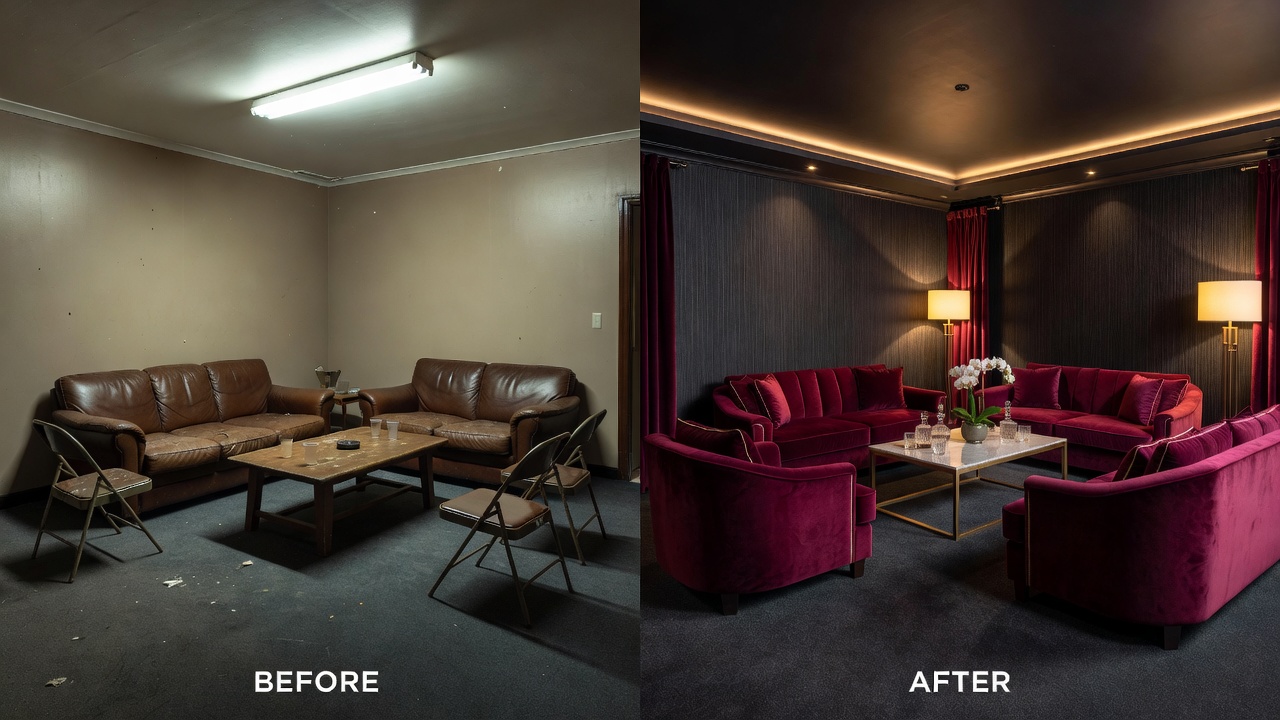
A former industrial warehouse in a major European capital faced declining attendance and negative reviews due to outdated facilities and inconsistent event programming. Initial weekly attendance hovered below 200 guests on peak nights, with many first-time visitors citing discomfort from poor acoustics and limited private spaces. The owners initiated a comprehensive renovation over six months, introducing soundproof private lounges, advanced LED lighting systems for mood control, and modular furniture that allowed quick reconfiguration for themed events. Post-renovation metrics showed weekend attendance surpassing 600 guests consistently, accompanied by a 70 percent rise in repeat visits. Lessons learned centered on iterative design: weekly guest surveys during the transition phase identified preferences for enhanced ventilation and clearer consent signage, directly informing final adjustments. Practical takeaway includes allocating budget toward professional acoustic consultants early to avoid costly retrofits later.
Staff training emerged as another critical factor. All employees completed certification programs on conflict de-escalation and inclusivity, resulting in higher satisfaction scores across demographic groups. This venue now hosts monthly educational mixers that blend social interaction with boundary workshops, fostering long-term loyalty.
Case Study 2: U.S. Swingers Club Leverages Technology for Community Growth
In the United States, a mid-sized swingers club struggled with fragmented communication among members until it launched a custom mobile application for event coordination and real-time feedback. Prior to the app, membership stood at approximately 1,500 active participants, many of whom attended sporadically. Within twelve months of implementation, membership expanded to over 4,200 verified users through features such as consent education modules and private group forums. The app also integrated calendar syncing and anonymous reporting tools that improved safety perceptions. Key community-building tactics involved hosting quarterly off-site socials at local restaurants to normalize interactions outside the club setting. These efforts translated into stronger word-of-mouth referrals and higher event fill rates.
Operators noted that transparent communication about capacity limits prevented overcrowding complaints. The model demonstrates how technology can scale community without sacrificing personal connection when paired with rigorous verification protocols.
Case Study 3: Revenue Diversification at an Asian-Pacific Erotic Lounge
An upscale erotic lounge in the Asia-Pacific region diversified beyond door fees by introducing tiered membership programs and curated merchandise lines. Before these changes, revenue relied heavily on single-night tickets, leading to unpredictable cash flow. After rollout, recurring income streams accounted for a substantial portion of earnings, supported by exclusive member nights featuring guest speakers on topics like relationship dynamics. The lounge maintained competitive pricing while offering value-added experiences such as priority reservations during high-demand periods. Operators also partnered with ethical fashion brands for limited-edition apparel that aligned with the venue’s sensual yet sophisticated brand identity. This approach reduced dependence on peak-season events and created year-round engagement.
Case Study 4: North American Club Focuses on Health and Safety Protocols
A prominent North American venue achieved standout results by embedding health-forward policies into every operational layer. Before enhancements, guest feedback frequently mentioned concerns over hygiene and unclear guidelines. Implementation of enhanced cleaning schedules, on-site wellness checks, and partnerships with local health professionals led to markedly improved review ratings and a 50 percent increase in new member inquiries. The club now publishes monthly transparency reports summarizing adherence to safety standards, which has become a differentiator in marketing materials.
Community-Building Tactics That Drive Loyalty
Across successful venues, community extends beyond the physical space. Regular workshops on communication skills and boundary setting create shared values among attendees. Venues that facilitate member-led events report stronger retention compared with top-down programming alone. Digital tools complement in-person efforts by enabling pre-event connections that reduce first-night anxiety.
Revenue Strategies for Sustainable Growth
Effective operators avoid over-reliance on any single income source. Successful models combine membership tiers, special event premiums, and ancillary sales such as branded accessories. Emphasis stays on delivering perceived value that encourages organic advocacy rather than aggressive upselling. Monitoring seasonal trends allows clubs to adjust offerings proactively, maintaining steady attendance throughout the year.
Attendee Feedback and Real-World Insights
Comprehensive surveys reveal recurring priorities: cleanliness, staff professionalism, and variety of experiences rank highest. Venues that act swiftly on feedback maintain competitive edges. Common pitfalls include ignoring capacity management, which quickly erodes trust. Data-driven adjustments have proven more effective than assumptions about guest preferences.
Practical Takeaways for New Venues
- Prioritize consent education and clear house rules from day one to establish trust immediately.
- Use data from guest interactions and surveys to guide programming decisions and reduce guesswork.
- Invest in marketing that highlights community values and safety over explicit imagery to broaden appeal.
- Monitor health guidelines from sources like the World Health Organization and Centers for Disease Control and Prevention to maintain safe environments.
- Build alliances with similar businesses and local vendors for cross-promotion and resource sharing.
- Implement phased renovations based on member input rather than complete overhauls to minimize downtime.
Mistakes to Avoid When Scaling Erotic Venues
Many new operators underestimate the importance of ongoing staff development. Another frequent error involves neglecting digital presence; venues without user-friendly booking systems lose potential guests to competitors. Over-expansion without corresponding infrastructure often leads to diluted experiences and negative reviews. Careful pacing and continuous evaluation help sidestep these issues.
Conclusion
These 2026 success stories illustrate that thoughtful, community-centered execution in erotic venues produces sustainable growth. By studying transformations, revenue diversification, and attendee priorities, operators gain practical frameworks for their own ventures. The adult nightlife sector rewards those who combine innovation with genuine respect for participants.
FAQ
How long does it typically take to see results from venue changes?
Most clubs report noticeable improvements in attendance and reviews within three to six months when changes directly address documented guest concerns and include consistent follow-through.
What role does technology play in modern adult nightlife?
Well-designed apps and digital platforms streamline RSVPs, feedback collection, and safety verifications, leading to smoother operations and higher overall satisfaction among members.
Are there risks in expanding internationally?
Local regulations around adult entertainment vary significantly by jurisdiction, making thorough legal consultation and cultural adaptation essential before any cross-border growth.
How important are health protocols in 2026?
Health and hygiene standards remain central to guest confidence, with successful venues publishing regular compliance updates that reinforce trust and differentiate them from less transparent competitors.


No comments yet. Be the first!