 Spicy Trip
Introduction to Tantra Circles for Erotic Wellness
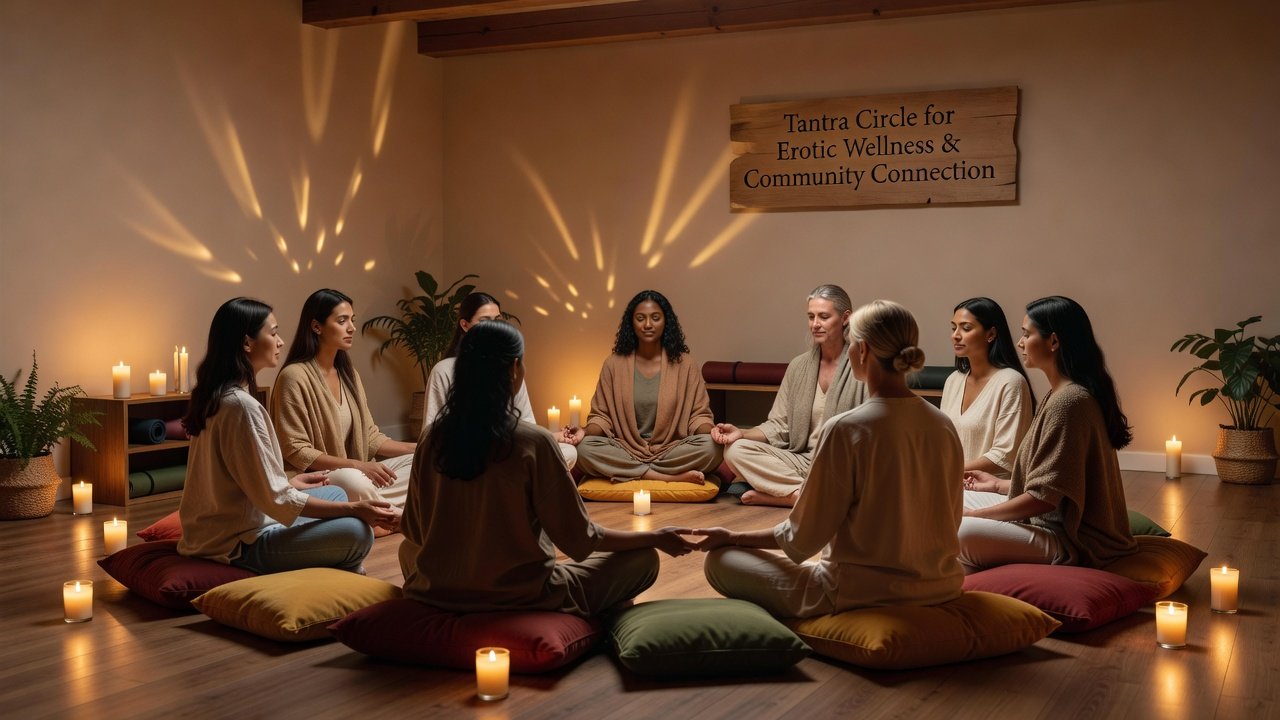
Tantra circles create safe spaces for exploring erotic wellness through mindful practices in a group setting. In 2026, these gatherings emphasize sexual mindfulness, shared pleasure, and community connection. Participants engage in guided activities that foster self-care and respect for personal boundaries. This approach draws from ancient traditions adapted for modern wellness needs, helping individuals cultivate deeper awareness of their bodies and desires without judgment. Organizing a successful circle requires careful planning. Beginners benefit from starting small and focusing on education. The goal is to promote positive experiences that enhance individual and collective well-being. These events differ from typical social gatherings by prioritizing intentionality, breathwork, and emotional safety over performance or external expectations.
Many people seek tantra circles to address feelings of disconnection in daily life. By creating a structured environment, facilitators guide groups toward greater intimacy with self and others. Success depends on clear communication, inclusive practices, and ongoing adaptation based on participant feedback.
Selecting the Right Venue
Venue choice impacts the atmosphere and safety of the event. Ideal locations include private homes, yoga studios, or wellness centers with dimmable lighting and comfortable flooring. Ensure the space allows for privacy and has easy access to restrooms. Consider acoustics for meditations and enough room for participants to sit in a circle without feeling cramped. Outdoor options like secluded gardens can add a natural element when weather permits, but always have an indoor backup plan.
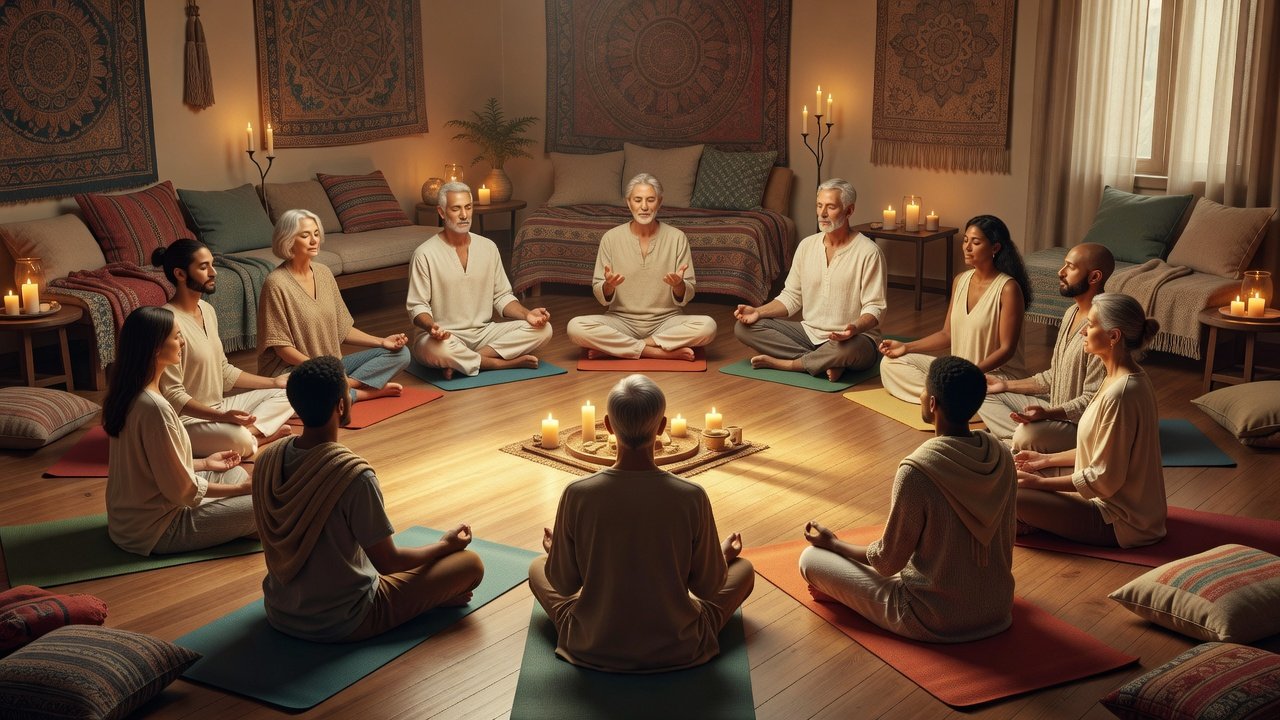
Check local regulations for group gatherings. Ventilation and temperature control help maintain comfort during longer sessions. Prepare the space in advance by arranging cushions, mats, and soft blankets in a circular formation. Remove distractions such as clocks or electronic devices that could interrupt the flow. Many facilitators also stock basic supplies like tissues, water stations, and optional props for certain exercises to enhance the experience.
Establishing Consent Protocols
Consent forms the foundation of every tantra circle. Develop clear written agreements that all participants sign before the event. Protocols should cover touch boundaries, verbal check-ins, and the right to withdraw at any time. Use a traffic light system where green means continue, yellow signals caution, and red stops activity immediately. Facilitators must model respectful behavior and intervene promptly if any boundary feels crossed.
Resources from the World Health Organization highlight the importance of affirmative consent in sexual health education. Facilitators should lead a pre-circle discussion to review these rules and answer questions. Include details on confidentiality, photography policies, and how to handle emotional releases that may arise. Provide multiple opportunities for participants to update their boundaries throughout the session.
Preparing Participants in Advance
Preparation extends beyond the event itself. Send welcome emails with expectations, what to wear, and any pre-reading on mindfulness. Encourage participants to reflect on personal intentions beforehand. Address common concerns such as performance anxiety or body image through reassuring language in communications. This step reduces nervousness and sets a tone of acceptance.
Structuring Sessions Around Shared Pleasure Self-Care
Effective sessions balance structure with flexibility. Begin with grounding exercises, move into interactive practices, and end with reflection. Focus on self-care elements such as breathwork and body awareness to build erotic mindfulness without pressure. Sessions typically last between 90 minutes and three hours depending on group size and experience level.
Icebreaker Exercises
Start with simple icebreakers to build rapport. Examples include name sharing with a personal intention or paired eye-gazing for two minutes. Additional options involve movement-based activities like slow synchronized breathing in pairs or sharing one word describing current energy levels. These activities reduce tension and encourage openness in a non-sexual way initially. Rotate partners frequently to promote broader connections within the group.
Guided Meditations
Incorporate 10-15 minute guided meditations focused on breath and energy flow. Scripts can emphasize connecting with one's own body before group sharing. Variations include heart-centered visualizations, progressive muscle relaxation adapted for sensual awareness, and sound-based meditations using gentle vocal tones. Live facilitation allows for real-time adjustments, while pre-recorded options provide consistency for new facilitators.
Sample Agenda for a Two-Hour Circle
- Welcome and consent review (15 minutes): Reiterate boundaries and answer last-minute questions to establish safety.
- Icebreaker and introductions (20 minutes): Build initial connections through light activities.
- Guided meditation (15 minutes): Center the group and shift focus inward.
- Shared pleasure self-care practices (40 minutes): Facilitated exercises like individual breath exploration or optional partnered energy work with clear consent checks.
- Group sharing and integration (20 minutes): Allow voluntary sharing of experiences in a supportive circle.
- Closing circle (10 minutes): Express gratitude and outline next steps for integration.
Comparing In-Person and Hybrid Formats
In-person events offer deeper physical presence and immediate feedback. Hybrid formats combine live participants with virtual attendees via video platforms. Hybrid requires strong tech setup including multiple cameras and clear audio. In-person often feels more immersive, while hybrid increases accessibility for remote participants. Key differences include energy flow, where in-person allows for subtle nonverbal cues, and hybrid demands more explicit verbal check-ins. Many groups in 2026 use hybrid to expand reach while maintaining core in-person intimacy. Test both formats to see what suits your community. Practical tips for hybrid include testing internet connections beforehand and designating a tech moderator separate from the facilitator.
Real-World Examples
One facilitator in Portland runs monthly circles with 12 participants, incorporating nature elements like outdoor elements when weather permits and focusing on seasonal themes for variety. Another in Europe uses online platforms for pre-event education followed by in-person intensives. A third example comes from a West Coast collective that alternates between themed circles on topics like self-pleasure and partner connection, always ending with anonymous feedback forms. These real-world approaches demonstrate adaptability across different cultural contexts and group sizes.
Post-Circle Integration Tips
Integration helps participants process experiences and maintain benefits. Suggest journaling prompts focused on sensations noticed during the session. Schedule optional follow-up check-ins via email one week later. Encourage gentle self-care practices such as solo meditation or nature walks in the days following. Provide a list of recommended books or podcasts on erotic wellness for continued learning. Some groups create private online forums for ongoing support between monthly events.
Common Mistakes to Avoid
- Skipping detailed consent discussions at the start.
- Overpacking the agenda without built-in flexibility.
- Ignoring varying energy levels among participants.
- Failing to follow up after the event.
- Assuming all group members share the same comfort level with touch.
FAQ on Managing Group Dynamics and Boundaries
How do you handle conflicts during a circle?
Address issues calmly with the traffic light system and pause the session if needed. Follow up privately afterward to ensure resolution.
What if someone violates consent?
Have a removal policy and support resources ready. Prioritize the affected person's needs and document the incident for future prevention.
Are these suitable for beginners?
Yes, with clear expectations and slower pacing. Offer introductory sessions first to build foundational skills.
How large should the group be?
Ideal sizes range from six to fifteen participants to allow meaningful interaction while maintaining manageability.
What about emotional releases like crying?
Normalize these responses and provide space for them without drawing unnecessary attention, offering tissues and quiet support.
Can couples attend together?
Yes, but encourage individual participation to avoid couple dynamics overshadowing personal growth.
Conclusion
Hosting tantra circles builds community through erotic wellness and mindfulness. With strong consent, thoughtful structure, and ongoing integration, facilitators create transformative experiences. Start small, iterate based on feedback, and prioritize safety for lasting success in 2026 and beyond. The Centers for Disease Control and Prevention and the National Institutes of Health offer additional guidance on holistic sexual health that aligns well with these practices.
No comments yet. Be the first!