 Spicy Trip
Introduction: Wellness Meets Adult Nightlife in 2026
The landscape of adult nightlife continues to evolve, with wellness elements such as mindfulness sessions and health-focused amenities becoming central to swingers clubs and erotic venues. In 2026, these spaces prioritize balanced experiences that go beyond traditional parties, appealing to those seeking safer, more intentional environments. This review explores venue features, real attendee feedback, consent programming, and practical guidance for selecting the right spot. Searchers interested in wellness-focused swingers clubs often want more than surface-level party lists; they seek detailed insights into how these venues integrate health practices to create sustainable, enjoyable nights out. The transformation reflects growing awareness that erotic exploration benefits from physical recovery, mental clarity, and emotional safety measures.
The Rise of Wellness Integration in Swingers Clubs
Modern swingers clubs now blend erotic exploration with holistic practices. Venues incorporate meditation corners, on-site wellness coordinators, and nutritional options to support physical and mental well-being. This shift reflects broader cultural interest in mindful sexuality, where participants report higher satisfaction and reduced anxiety. Health protocols often align with guidelines from organizations like the CDC, emphasizing regular testing and clear communication. Over the past year, many clubs have added dedicated wellness staff who facilitate sessions on stress reduction before events begin. These additions help attendees transition smoothly from daily life into social and intimate settings, leading to more positive interactions overall. The trend also responds to feedback from long-time participants who previously felt drained after events and now appreciate built-in recovery options.
Key Amenities and Features
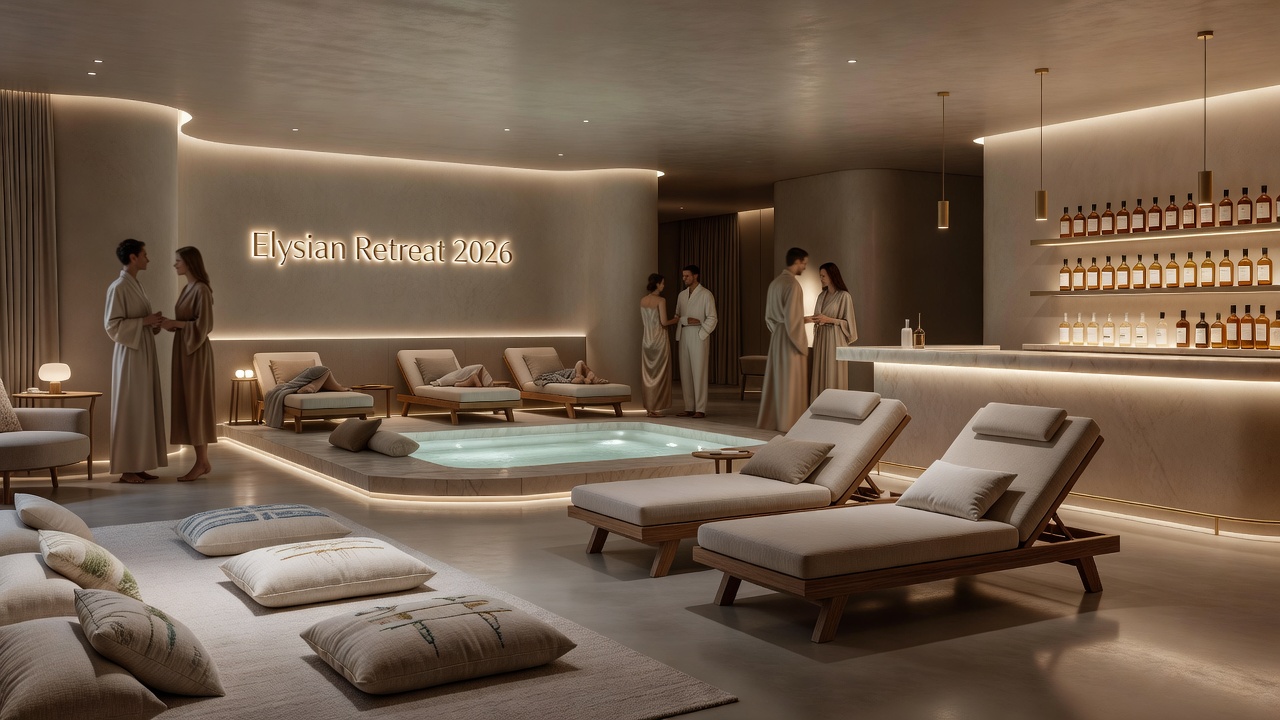
Top wellness-focused venues offer dedicated spaces for yoga, spa-like relaxation areas, and educational workshops on topics like breathwork and body positivity. Many provide filtered water stations, organic snack options, and quiet zones for decompression. These amenities differentiate clubs from standard nightlife by fostering recovery and connection rather than exhaustion. Practical examples include temperature-controlled playrooms with antimicrobial surfaces and aromatherapy diffusers to maintain a clean, inviting atmosphere throughout the evening. Some locations feature infrared saunas for post-event relaxation, while others offer massage stations staffed by certified therapists. Nutritional support extends to menus highlighting anti-inflammatory ingredients that help sustain energy levels during extended social hours. Attendees frequently note how these features reduce common post-event fatigue and support better sleep afterward.
Practical examples include temperature-controlled playrooms with antimicrobial surfaces and aromatherapy diffusers to maintain a clean, inviting atmosphere throughout the evening.
Consent-Focused Programming
Consent remains foundational. Leading clubs host mandatory orientation sessions covering verbal and non-verbal cues, boundary-setting exercises, and ongoing check-ins. Some venues partner with sex-positive educators to run interactive seminars that empower attendees. This programming creates inclusive environments where everyone feels respected and in control. Expanded workshops often include role-playing scenarios and follow-up resources sent via email after the event. Staff training emphasizes recognizing subtle signs of discomfort and intervening discreetly when needed. Many clubs now schedule consent refreshers midway through longer events to reinforce expectations as the night progresses.
Real-World Examples from Top Locations
In major cities, venues like those in Berlin and New York integrate wellness calendars featuring morning-after recovery circles and guided reflection sessions. European spots often emphasize natural light and sustainable materials, while U.S. locations highlight medical-grade sanitation standards. These examples showcase how location-specific wellness offerings cater to diverse crowds. In Los Angeles, several clubs have introduced outdoor wellness gardens with sound baths that guests can enjoy between activities. London venues frequently incorporate aromatherapy lounges and partnered stretching classes designed for couples. Across these cities, the common thread is intentional design that supports both excitement and recovery, creating memorable yet responsible experiences.
Attendee Testimonials
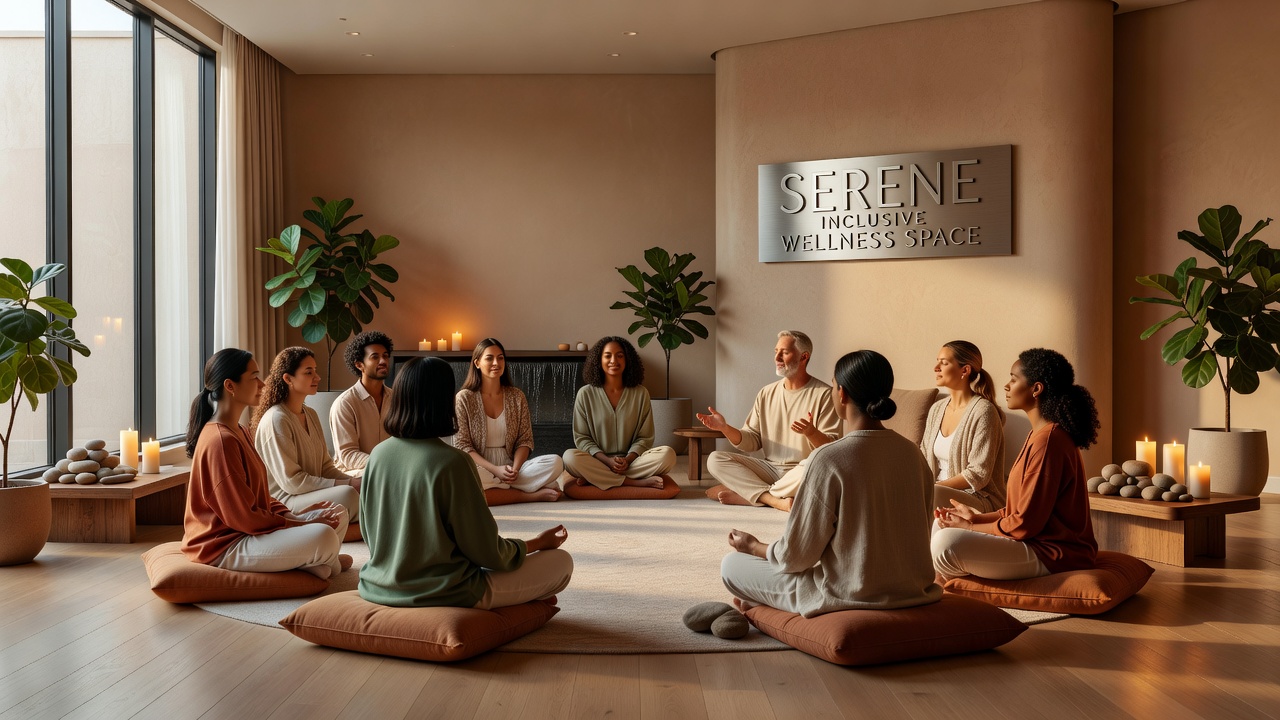
Regular visitors frequently highlight the calming effect of pre-event mindfulness practices. One couple noted improved communication and deeper connections after participating in a venue-led consent workshop. Others appreciate the availability of professional staff trained in de-escalation and emotional support, leading to more positive overall experiences. A group from Chicago shared how the addition of quiet reflection rooms helped them process the evening and leave feeling energized rather than overwhelmed. Another attendee from Miami described how wellness coordinators provided personalized hydration guidance, which made a noticeable difference in comfort during longer visits.
How to Choose a Wellness-Focused Venue: Practical Steps
- Research online reviews focusing on mentions of health amenities and staff training to identify consistent patterns in guest feedback.
- Verify consent policies and ask about wellness programming schedules, including whether sessions are optional or integrated into the main event flow.
- Visit during off-peak hours to assess cleanliness and atmosphere firsthand, paying attention to ventilation, lighting, and availability of quiet spaces.
- Confirm partnerships with local health services for on-site support if needed, such as access to testing kits or referrals.
- Compare offerings across multiple venues using a checklist of desired features like meditation rooms or educational events, and note any seasonal variations in programming.
- Reach out directly to venues with specific questions about their wellness staff credentials and how they handle guest feedback on amenities.
Health Protocols and Safety Measures
Reputable clubs follow strict hygiene routines, including UV sanitation of surfaces and provision of personal protective equipment. Many align with WHO recommendations for sexual health awareness. Attendees should inquire about vaccination requirements and testing frequency to ensure alignment with personal standards. Additional measures often include air purification systems in all common areas and clearly marked stations for hand sanitizing and barrier method supplies. Some clubs provide private changing areas equipped with fresh linens and disposal options to maintain privacy and hygiene throughout the visit.
Comparisons of Wellness Offerings
Compared to traditional clubs, wellness-oriented spaces tend to attract a slightly older, more health-conscious demographic. They often deliver greater value through added programming. Venues emphasizing erotic wellness practices generally report higher repeat attendance rates due to the supportive community atmosphere. When evaluating options, consider how each venue balances social energy with recovery time, as some emphasize educational components while others focus more on physical amenities like saunas or nutrition bars. This comparison helps match personal priorities to the right environment.
Mistakes to Avoid When Selecting a Venue
Common pitfalls include overlooking the depth of wellness programming and assuming all clubs offer similar experiences. Another mistake is neglecting to review recent attendee feedback specifically about health protocols. Visitors should also avoid choosing based solely on location without confirming staff training in consent and wellness facilitation. Taking time to cross-reference multiple sources prevents disappointment and ensures a better match for wellness goals.
Frequently Asked Questions
What wellness activities are typically offered?
Common offerings include guided meditation, yoga classes tailored for couples, and nutrition consultations focused on energy and recovery.
How do clubs ensure consent during events?
Through pre-event briefings, visible signage, and trained facilitators who monitor interactions and intervene when necessary.
Are these venues suitable for first-timers?
Many provide beginner-friendly nights with extra educational components to ease newcomers into the environment comfortably.
What health amenities should I look for?
Key features include on-site testing resources, quiet recovery zones, and staff trained in both wellness and de-escalation techniques.
How often do venues update their wellness offerings?
Most leading clubs refresh programming seasonally, incorporating new workshops based on guest surveys and emerging wellness trends.
Conclusion
Wellness-focused swingers clubs in 2026 represent a thoughtful evolution in adult nightlife, combining excitement with intentional self-care. By prioritizing consent, health amenities, and mindful programming, these venues offer enriching experiences for those ready to explore responsibly. Use the practical steps outlined to find a space that matches your values and enjoy a balanced night out.


No comments yet. Be the first!