 Spicy Trip

Understanding Attraction Dynamics at 2026 Sex-Positive Parties
Sex-positive parties in 2026 represent evolving spaces where adults gather to explore consensual pleasure, connection, and self-expression. These events go far beyond simple social mixers by fostering environments rooted in explicit consent and open-mindedness. Understanding the dynamics of attraction here requires examining layers of psychology, biology, and social interaction that influence how people connect. This comprehensive guide moves past surface-level etiquette to provide evidence-based insights, real examples, and step-by-step advice tailored for kink events and play parties.
Attendees often arrive seeking not just physical encounters but meaningful exchanges that respect individual boundaries. Factors like personal mindset, prior experiences, and the unique energy of the venue all contribute to who draws interest and why. By the end of this article, readers will have concrete tools to navigate these spaces more effectively while prioritizing safety and mutual enjoyment.
Biological and Environmental Influences on Attraction
Biological drivers of attraction include hormonal responses that heighten during novel or stimulating settings. Oxytocin release during positive interactions promotes bonding, while dopamine surges create feelings of excitement and reward. Environmental elements such as carefully designed lighting, sensual music playlists, and aromatic diffusers further prime the senses, making subtle cues more noticeable. Studies referenced by the American Psychological Association demonstrate how physical surroundings can shift attraction patterns, sometimes leading individuals to connect with people outside their usual preferences.
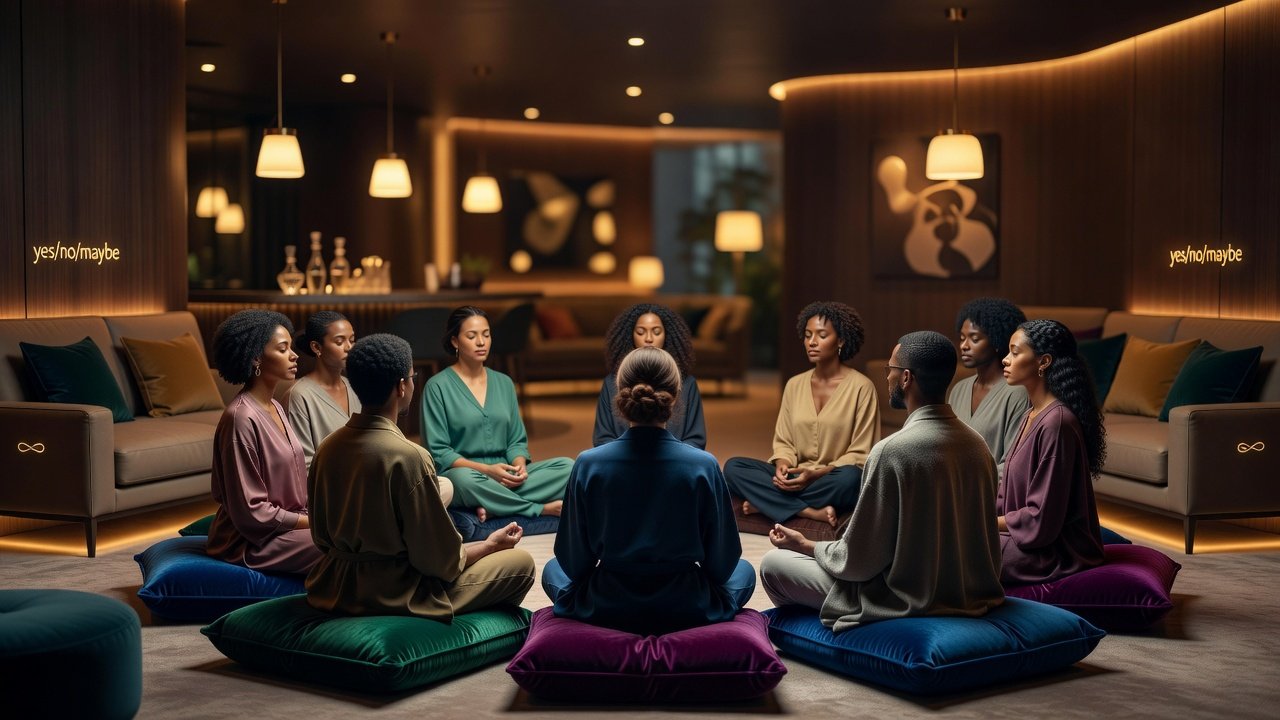
At 2026 events, temperature control, comfortable seating clusters, and even color psychology in decor play roles in reducing inhibitions. Participants report stronger initial sparks in spaces that balance privacy with visibility, allowing observation without pressure. These influences combine to create a feedback loop where biological readiness meets an optimized atmosphere, amplifying organic chemistry.
The Role of Communication in Sparking Chemistry
Clear communication transforms potential attraction into tangible connection. Verbal affirmations about desires, limits, and interests build trust rapidly in these settings. Non-verbal signals, including posture, proximity, and touch escalation, complement words when calibrated carefully. Effective communicators often start with neutral topics before transitioning to more intimate discussions, creating natural bridges.
Practical techniques include using "I" statements to express curiosity without assumption, such as "I enjoy learning about others' boundaries." This approach invites reciprocity and reduces misinterpretation. In group environments, checking in frequently ensures ongoing alignment, turning fleeting glances into sustained engagement.
How Group Settings Amplify or Shift Dynamics
Group dynamics at sex-positive parties introduce social facilitation effects, where collective enthusiasm can intensify individual attractions. Shared laughter or synchronized activities create in-group bonding that spills over into pairwise connections. However, larger gatherings may fragment attention, leading some to experience diluted focus or decision fatigue.
Comparisons between organic and facilitated encounters reveal key differences. Organic moments arise from unscripted conversations near the bar or dance area, often feeling more authentic yet unpredictable. Facilitated sessions, like guided workshops or speed-dating rounds, provide structure that lowers entry barriers but can feel less spontaneous. Both pathways hold value depending on attendee goals and experience levels.

Practical Steps for Recognizing Mutual Interest
Recognizing reciprocal interest involves attentive observation combined with respectful action. Follow these expanded steps for better outcomes:
- Monitor engagement patterns over time, noting if someone seeks you out repeatedly or maintains eye contact during group discussions.
- Pay attention to enthusiastic verbal responses when topics turn personal, as hesitation often signals lower interest.
- Initiate low-pressure shared experiences, such as suggesting a nearby activity station, and observe the reaction for genuine excitement.
- Reflect internally on your own signals, ensuring your body language remains open and inviting rather than closed off.
- After initial interaction, pause to allow space for the other person to reciprocate without feeling pursued.
These steps help differentiate polite friendliness from deeper chemistry while maintaining event norms.
Real-World Examples from Play Parties
Consider a 2026 gathering where two attendees bonded over a shared interest in rope techniques during an open lounge discussion. Their conversation naturally progressed after each confirmed comfort levels, leading to a private scene later that evening. Another case involved a facilitated mixer that paired strangers for brief chats; while one duo connected immediately, another pair discovered compatibility only after following up in the main social area, illustrating how timing varies.
A third example highlights group amplification: several people formed a casual circle discussing fantasies, resulting in two participants realizing mutual attraction through overheard details and subsequent one-on-one follow-up. These instances underscore the importance of patience and adaptability in dynamic environments.
Mistakes to Avoid at Kink Events
Common pitfalls include misreading attire or accessories as invitations rather than personal expression. Over-pursuing after initial disinterest damages reputations quickly. Another error involves neglecting self-care, such as staying hydrated or taking breaks, which can cloud judgment. Always verify consent repeatedly instead of assuming progression from prior agreement.
Handling Rejection Gracefully: FAQ
What if someone declines my advance?
Accept the response gracefully with a simple thank-you and move on to other interactions. This response preserves the positive atmosphere and demonstrates maturity valued across kink communities.
How do I recover from feeling rejected?
Process the moment privately if needed, then re-engage with the broader event through conversations with friends or hosts. Many find that viewing rejection as alignment rather than failure speeds emotional recovery.
Are there common mistakes to avoid when handling rejection?
Avoid public discussion of the interaction or seeking validation from others immediately. Instead, focus on the next positive encounter to maintain event flow.
How does group pressure affect rejection responses?
In lively settings, bystanders may inadvertently heighten awkwardness. A calm, private acknowledgment followed by space helps de-escalate and models good etiquette for observers.
Conclusion
Attraction at sex-positive parties blends innate responses with intentional communication and environmental awareness. Applying these insights fosters interactions that feel rewarding and respectful. For additional perspectives on human connection research, consult the National Center for Biotechnology Information and resources from the Kinsey Institute. With practice, participants can navigate 2026 events with greater confidence and fulfillment.
No comments yet. Be the first!