 Spicy Trip
Introduction to Outdoor BDSM Safety
Outdoor kink play adds excitement and novelty to BDSM scenes, but it introduces unique environmental and legal challenges that demand careful preparation. This comprehensive guide explores BDSM safety protocols tailored for 2026, emphasizing risk mitigation while preserving consent and pleasure. Whether you're a beginner or experienced practitioner, understanding these essentials helps create memorable yet secure experiences that balance thrill with responsibility. Outdoor environments amplify sensory elements like natural sounds and textures, yet they also heighten vulnerabilities to weather shifts, wildlife, and unintended observers.
Site Scouting and Selection
Thorough site scouting forms the foundation of safe outdoor play. Identify secluded areas like private wooded trails or remote beaches during daylight hours first. Assess accessibility, visibility from public paths, and natural barriers such as dense foliage or elevation changes that provide cover. Always verify land ownership to avoid trespassing charges, which can escalate quickly in unfamiliar territories. Low-risk setups often include state parks with designated quiet zones or personal rural properties with clear boundaries and established access points. Consider factors like proximity to emergency services, terrain stability, and seasonal changes that might alter the landscape. Multiple scouting visits allow you to map out potential hazards such as steep drops, water sources, or animal trails.
Weather Preparedness and Environmental Hazards
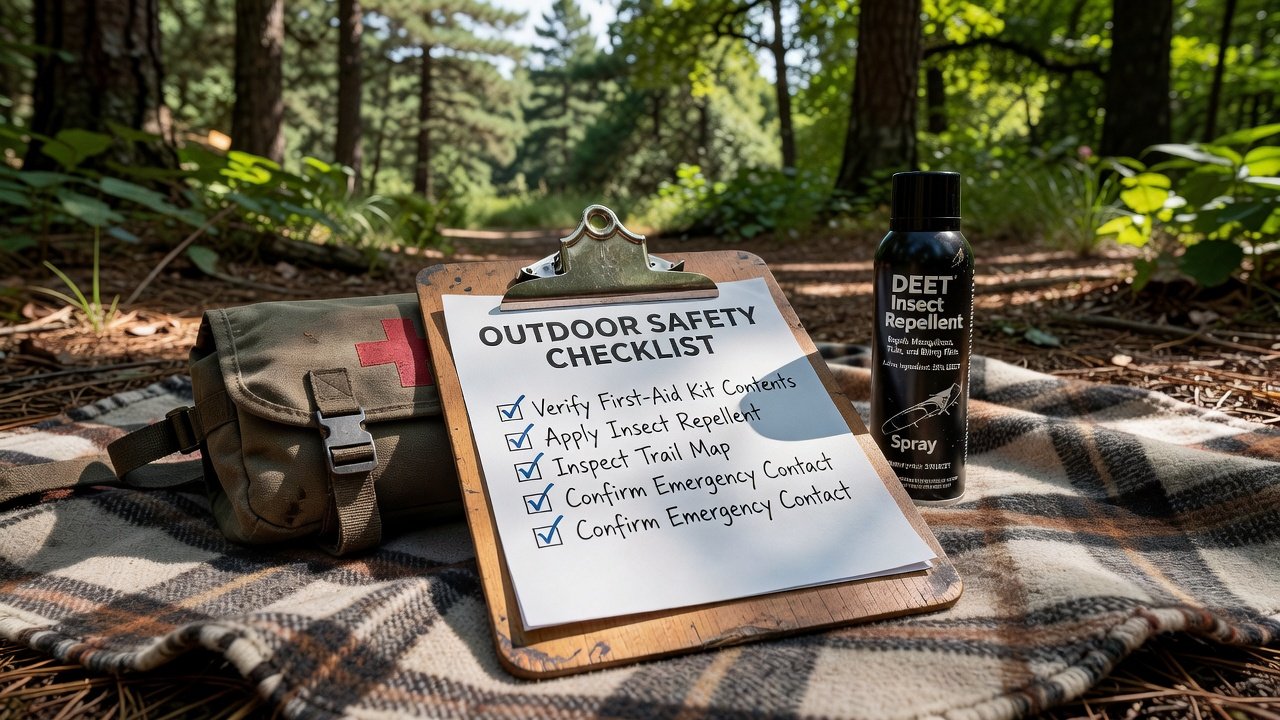
Weather can shift rapidly outdoors, impacting safety in profound ways. Check forecasts from reliable sources like the CDC for heat advisories or storm warnings and cross-reference with National Weather Service updates for precise local data. Prepare layers, waterproof gear, and hydration supplies well in advance. For extreme conditions, have a backup indoor plan ready. Insect protection is critical—use DEET-based repellents and long clothing to prevent bites that could distract from scene focus or cause allergic reactions. Other hazards include uneven ground causing slips, pollen triggering respiratory issues, and UV exposure leading to sunburn during extended sessions. Always carry a basic first-aid kit stocked with bandages, antiseptic wipes, and any personal medications.
Privacy and Legal Considerations
Privacy measures protect against unwanted exposure and potential legal repercussions. Scout for natural sound barriers and time sessions during low-traffic periods such as early mornings or weekdays. Legally, public indecency laws vary by location, so research local statutes beforehand through official government resources. Consent adjustments in semi-public spaces require extra vigilance—discuss potential interruptions and establish clear signals that account for distance or sudden changes. Quick-exit strategies include pre-packed go-bags and escape routes mapped in advance, with designated roles for each participant to ensure smooth departures if needed.
Adapting BDSM Tools for Outdoor Conditions
Standard indoor tools need modification for nature's unpredictability. Ropes should be weather-resistant synthetics rather than natural fibers that absorb moisture and weaken over time. Impact toys like paddles benefit from grips that handle sweat or dew, while restraints must account for ground instability. Always test equipment in similar conditions beforehand to identify weaknesses. Avoid metal items that conduct heat or cold extremes, and secure all items to prevent loss in wind or uneven terrain. Examples include using carabiners for quick attachment to trees and portable mats to create stable surfaces. These adaptations maintain scene integrity without compromising safety.
Consent Adjustments in Public Spaces
Consent remains paramount but evolves outdoors due to added variables. Negotiate visible cues for bystanders and expanded safewords that account for distance or environmental noise. Regular check-ins become more frequent due to changing conditions like shifting light or approaching weather. Partners should discuss noise management, using gags or quiet alternatives when sound carries farther in open areas. Real-world examples show that pre-agreed hand signals or written notes can supplement verbal communication effectively in windy or open settings.
Quick-Exit Strategies and Emergency Planning
Develop rapid disassembly plans tailored to the location. Keep scissors or safety shears accessible for rope release at all times. Designate a spotter for perimeter monitoring and practice timed pack-ups during rehearsals to ensure efficiency under pressure. Include emergency contacts, local authorities, and transportation options in your planning. This preparation reduces panic and allows focus on participant wellbeing during unexpected events.
Indoor Versus Outdoor Risks Comparison
Indoor play offers controlled lighting, temperature, and immediate resources, reducing variables like insects or sudden weather. Outdoor scenes heighten sensory elements but increase exposure risks, legal concerns, and physical hazards such as uneven ground or wildlife encounters. A balanced approach weighs thrill against these factors for informed decision-making, often starting with hybrid sessions that blend both environments.
Building a Portable Safety Kit
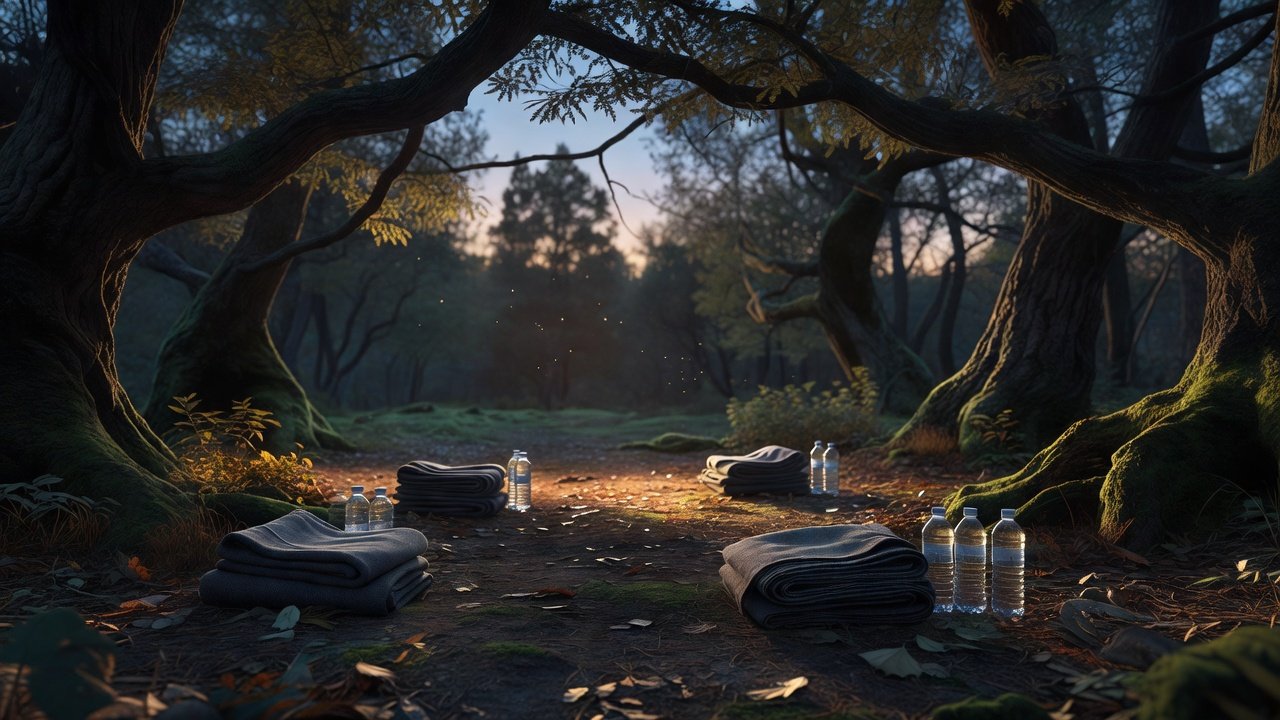
A well-stocked kit is essential. Include items like blankets for temperature regulation, portable lighting, communication devices, and cleanup supplies. Expand checklists to cover hydration, nutrition, and personal comfort items. Step-by-step preparation ensures nothing is overlooked during setup.
Step-by-Step Checklists
- Pre-scene: Scout twice, check weather, pack first-aid and exit tools, review consent agreements.
- During scene: Monitor surroundings continuously, maintain hydration, enforce consent protocols, adjust for environmental changes.
- Post-scene: Secure area thoroughly, conduct debrief, transition to aftercare smoothly, and document any incidents for future learning.
Post-Scene Aftercare in Non-Home Settings
Aftercare adapts to portable needs—bring blankets, snacks, water, and comfort items. Find a quiet nearby spot for emotional reconnection and physical recovery. Discuss experiences while monitoring for environmental aftereffects like chills or fatigue. Real-world examples include couples using vehicle interiors for immediate wind-down before returning home, allowing time for reflection and care.
Real-World Examples of Low-Risk Setups
One popular low-risk example involves a private backyard with high fencing and timed evening sessions. Another uses national forest pull-offs with advance permits and early morning timing. These setups minimize encounters while maximizing discretion and provide templates for customizing your own experiences based on available resources.
FAQ
How do I protect against insects during outdoor kink?
Apply repellents early, wear treated clothing, and avoid stagnant water areas. Carry antihistamines for reactions and inspect the site for nests beforehand.
What about noise management for beginners?
Use secluded spots and soft materials. Practice volume control in rehearsals and opt for visual safewords if verbal options are limited by surroundings.
Is outdoor play riskier than indoor?
Yes, due to added variables, but proper preparation equalizes many risks effectively through planning and adaptability.
Conclusion
Mastering BDSM safety for outdoor play enhances enjoyment through preparation and awareness. By following these protocols, practitioners can explore kink in nature responsibly. Always prioritize consent, communication, and continuous learning for fulfilling experiences in 2026 and beyond.

No comments yet. Be the first!