 Spicy Trip
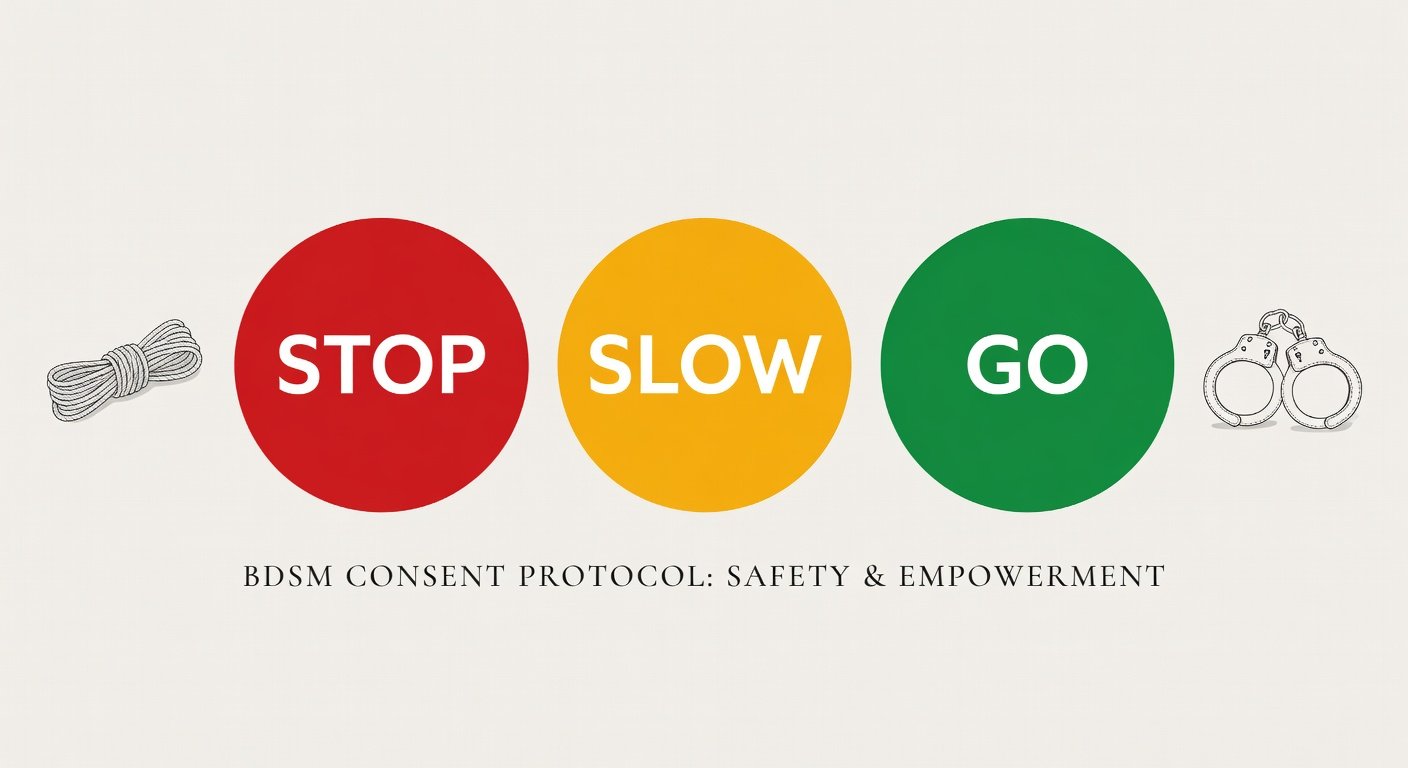
Understanding Safewords in BDSM
Safewords are essential tools that allow participants to communicate boundaries clearly during kink activities. They provide an immediate way to pause, adjust, or stop play when needed, ensuring consent remains enthusiastic and ongoing. Beginners often start by exploring basic systems before advancing to more nuanced approaches.
Types of Safeword Systems
The traffic light system is one of the most popular and intuitive options. Green signals everything is fine and play can continue. Yellow means slow down, check in, or adjust intensity. Red stops the scene immediately. This color-coded method works well because it is simple to remember under stress.
Universal phrases offer another layer of protection. Words like "red" or "safeword" function across many communities, reducing confusion in new partnerships. Some couples create personalized codes based on shared interests, such as favorite movie titles, but these require clear pre-negotiation.
For gagged or non-verbal scenes, establish signals in advance. Common options include dropping a held object, tapping a surface three times, or using hand gestures like a closed fist. Always practice these signals beforehand to confirm they are unmistakable.
Step-by-Step Implementation Guide
- Discuss limits and desires openly before any play begins.
- Choose and agree on your safeword system together.
- Practice using the words or signals in low-stakes settings.
- Check in regularly during scenes, especially when intensity increases.
- Debrief afterward to refine the system for future sessions.
Role-play scenarios help solidify understanding. For example, imagine a bondage scene where one partner uses "yellow" to request a position change. The dominant partner immediately loosens restraints and confirms comfort before resuming.
Comparing Safewords to Verbal Check-Ins
Safewords provide quick, unambiguous commands, while scheduled check-ins allow deeper conversation about emotional and physical states. Many experienced players combine both: using safewords for immediate needs and periodic check-ins for ongoing consent. This hybrid approach often yields the safest experiences.
Troubleshooting Common Issues
Subspace, a state of deep endorphin release, can make it harder to recognize or voice discomfort. Partners should watch for non-verbal cues like slowed responses or glazed eyes and pause proactively. If a safeword is ignored due to subspace, stop play immediately and focus on grounding techniques such as breathing exercises or gentle touch.
Another frequent challenge is forgetting to use signals. Rehearse them regularly and post a simple reminder card near play areas if needed.

Customizable Safeword Checklist Template
- Agreed safeword or traffic light colors
- Non-verbal signals for gagged play
- Emergency contact information
- Hard limits and soft limits list
- Preferred aftercare activities
- Check-in schedule during scenes
Adapting for Group Play and Online Kink
In group settings, establish a single universal safeword everyone recognizes. Designate a monitor who watches for signals and can intervene. Online play requires extra clarity around text-based safewords and video check-ins to confirm emotional safety.
Integrating Aftercare After Safeword Use
Using a safeword does not end the experience; it transitions into aftercare. Provide water, blankets, and reassurance. Discuss what worked and what needs adjustment. This step reinforces trust and prepares partners for future positive play.
For further reading on consent practices, visit the National Coalition for Sexual Freedom and explore resources from the Kinsey Institute.


No comments yet. Be the first!