 Spicy Trip
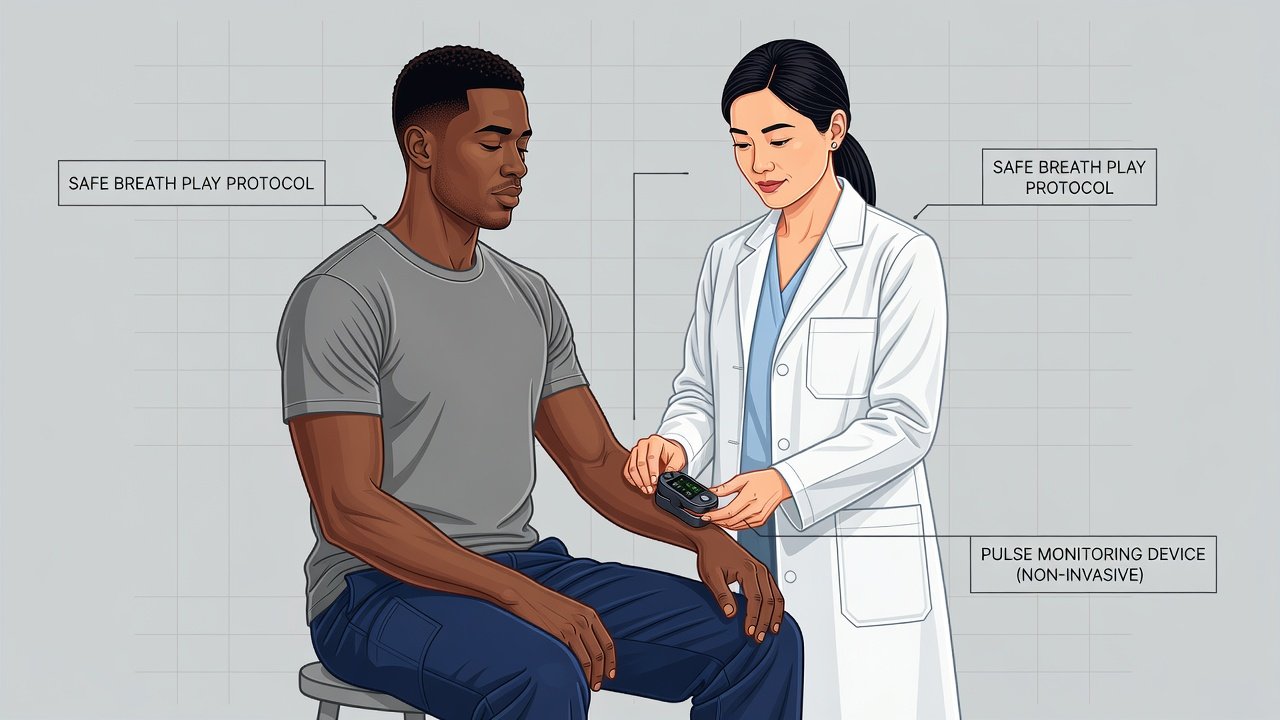
Breath Play Safety 2026: Vital Signs Monitoring for Kink Play
Breath play remains one of the most intense forms of edge play in kink communities, demanding rigorous attention to physiological feedback. This guide focuses on real-time vital signs monitoring to help participants recognize early warning signs and maintain risk-aware practices throughout 2026. Participants engage in breath play to explore altered states of consciousness, yet the activity carries serious medical risks including hypoxia, loss of consciousness, and in rare cases cardiac complications. Understanding these dynamics requires both education and consistent practice of monitoring techniques that prioritize safety above sensation.
Understanding Core Risks in Breath Play
Breath play restricts oxygen or blood flow to the brain, creating altered states that require constant oversight. Even brief interruptions can lead to hypoxia or loss of consciousness. Participants must adopt frameworks like RACK (Risk-Aware Consensual Kink) to acknowledge inherent dangers while prioritizing safety. The brain can survive only a few minutes without oxygen, making every second count during restriction. Common physiological responses include elevated heart rate followed by rapid drops, changes in blood pressure, and potential vasovagal reactions that can cause fainting. Long-term or repeated exposure without proper monitoring may contribute to neurological strain, underscoring why education from medical authorities is essential before attempting any scene.
Pulse and Breathing Checks During Scenes
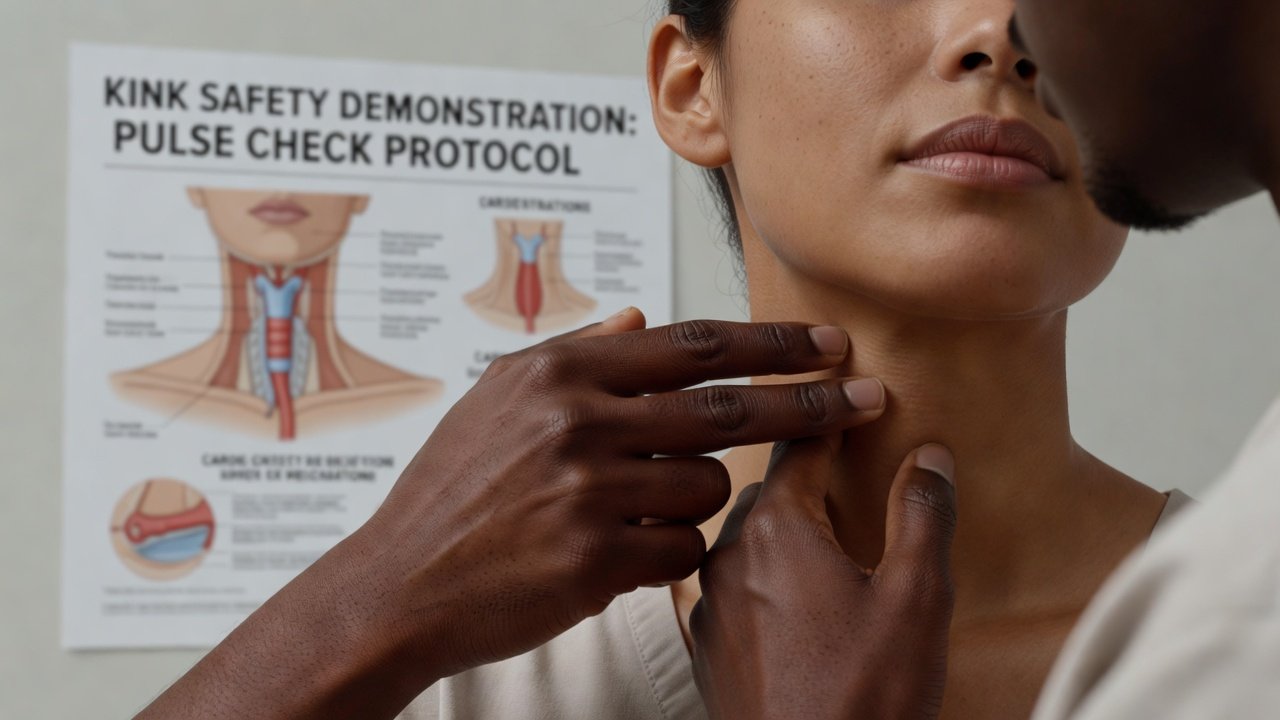
Regular monitoring forms the foundation of safe breath play. Check the radial or carotid pulse every 30–60 seconds using two fingers, never the thumb. Count beats for 15 seconds and multiply by four for beats per minute. Normal resting rates range from 60–100 bpm; deviations signal potential issues. Simultaneously observe chest rise and fall for breathing patterns, noting any irregularity or cessation. In practice, partners should alternate roles during longer scenes so one person maintains continuous visual and tactile contact. For example, a dominant partner might pause restriction every minute to verbally confirm the submissive’s pulse rate aloud, creating an audible record that helps both parties stay grounded. Wrist checks work well for beginners because the radial artery is accessible without additional neck pressure, while carotid monitoring offers faster feedback but requires lighter touch to avoid triggering further restriction.
Safe Duration Limits and Physiological Feedback
Beginners should limit breath restriction to under 10–15 seconds initially. Experienced players may extend to 20–30 seconds with continuous monitoring, but never exceed 45 seconds without immediate release. Track skin color changes, muscle tension, and eye movement as feedback indicators. Always have a pre-agreed safe word or hand signal ready. Real-world examples illustrate the importance of these limits: one documented community case involved a participant who ignored a 20-second boundary and experienced brief unconsciousness, highlighting how quickly situations escalate. Physiological feedback includes subtle cues such as involuntary twitching or changes in grip strength that often precede more obvious distress. Establishing baseline vital signs before play allows partners to detect deviations more accurately during the scene.
Consent Check-Ins and Communication Protocols
Verbal check-ins every 60 seconds reinforce ongoing consent. Use questions like “Color check?” or “How does this feel?” Non-verbal signals such as squeezing hands can supplement when speech is restricted. Re-negotiate boundaries before each new intensity level. Effective protocols also include pre-scene negotiations that cover medical history, previous experiences with breath play, and any medications that might affect heart rate or breathing. During the scene, partners can use a traffic-light system where green means continue, yellow signals caution or adjustment, and red demands immediate stop. Written consent checklists used beforehand help ensure nothing is overlooked, especially in new partnerships.
Red-Flag Symptoms Requiring Immediate Scene Stop
- Irregular or absent pulse
- Blue or gray skin discoloration around lips or nails
- Loss of muscle control or sudden limpness
- Confusion, disorientation, or failure to respond to stimuli
- Seizure-like movements or gasping
Any of these signs demand instant release and assessment. American Heart Association guidelines emphasize rapid response to circulatory changes. Additional red flags include sudden complaints of chest pain, severe headache, or vision changes. Partners should rehearse emergency responses in advance so muscle memory takes over if panic arises.
Step-by-Step Protocols for Beginners
1. Discuss limits, safe words, and medical history beforehand.
2. Establish a neutral observer or spotter for the first sessions.
3. Practice pulse checks on each other in non-play settings.
4. Start with light pressure and short durations under 10 seconds.
5. Debrief immediately after to refine techniques.
Additional steps include preparing a first-aid kit with pulse oximeter, timer, and emergency contact list. Beginners benefit from recording practice sessions (with consent) to review timing and communication afterward. Gradually increasing duration only after multiple successful short sessions builds confidence and skill.
Comparing Monitoring Methods
Manual pulse checks offer simplicity and no equipment cost. Pulse oximeters provide real-time oxygen saturation readings but require calibration. Smartphone apps with camera-based monitoring serve as backups yet lack medical-grade accuracy. Combine methods for redundancy. In comparison, manual methods foster direct physical connection and immediate tactile feedback, while electronic devices supply numerical data that can be logged for later review. For group play or longer sessions, having both a manual checker and a pulse oximeter creates layered safety nets. Community workshops often demonstrate how different tools perform under varying lighting and movement conditions.
Integrating Aftercare Practices
Aftercare begins the moment the scene ends. Monitor vitals for at least five minutes post-release. Provide hydration, warmth, and calm reassurance. Watch for delayed symptoms such as dizziness or emotional drops. Schedule follow-up check-ins 24–48 hours later to address any lingering effects. Practical examples include preparing a post-scene space with blankets, water, and favorite snacks. Some partners incorporate gentle massage or quiet conversation to help regulate breathing and heart rate back to normal. Emotional aftercare might involve discussing what felt good versus what caused anxiety, strengthening trust for future play.
Common Mistakes to Avoid
Many incidents stem from skipped check-ins, ignoring subtle color changes, or pushing past agreed time limits. Over-reliance on one monitoring method without backups increases risk. Never combine breath play with substances that impair judgment. Additional pitfalls include failing to account for fatigue during extended sessions, neglecting to warm up with shorter restrictions, and assuming experienced partners do not need verbal check-ins. Partners sometimes overlook environmental factors such as room temperature or recent meals that can affect circulation and oxygen levels. Regular education and peer feedback help identify and correct these habits before they lead to incidents.
Adapting Techniques for Different Body Types
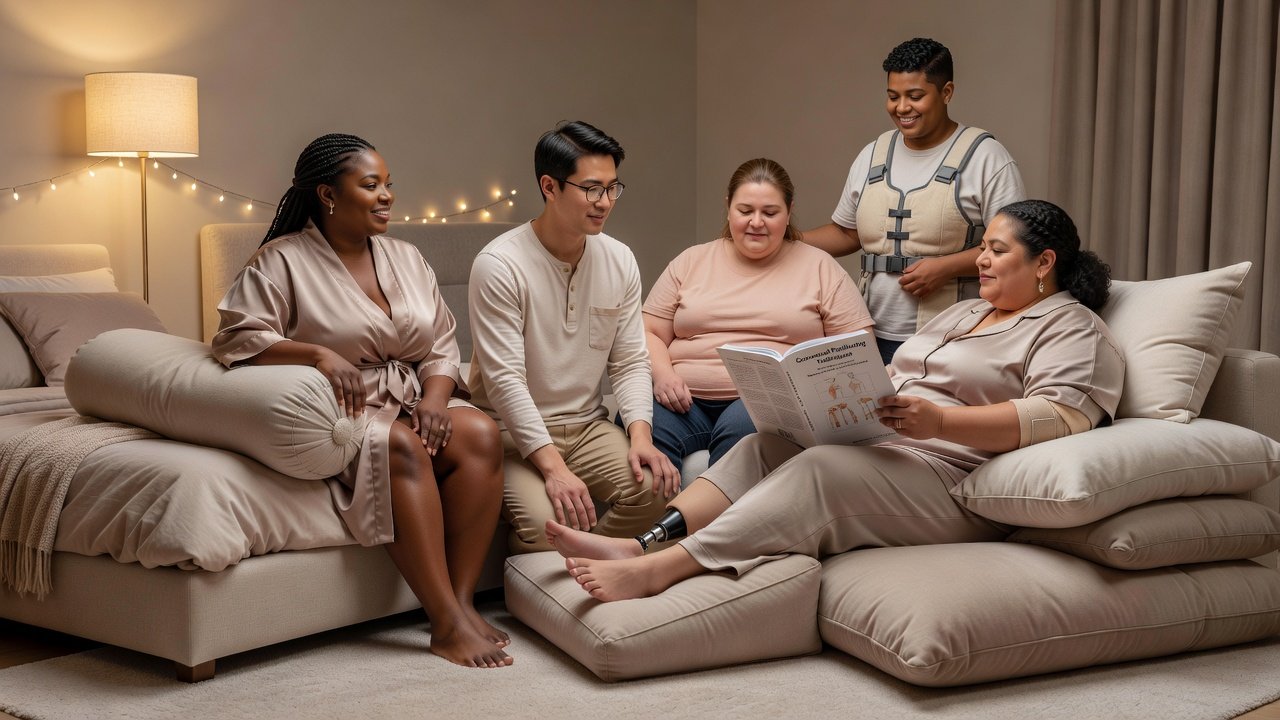
Individuals with higher body mass may require adjusted hand placement for accurate carotid access. Those with respiratory conditions need shorter intervals and extra pulse oximetry. Athletes often exhibit lower resting heart rates, so establish baseline readings before play. Always tailor pressure and duration to the specific physiology present. For example, people with smaller necks benefit from using broader hand positions to distribute pressure evenly. Individuals with joint issues or limited mobility may prefer seated positions during monitoring to reduce strain. Partners should openly discuss body-specific needs during negotiation to avoid assumptions that could compromise safety.
Emergency Response and Training Recommendations
Every participant should complete basic CPR and first-aid certification. In an emergency, release pressure immediately, position the person on their back, and check for breathing and pulse. If unresponsive, begin CPR and call emergency services. Red Cross resources provide accessible training modules that many kink communities incorporate into workshops. Having a charged phone nearby and knowing the nearest hospital route further reduces response time.
Risk-Aware Frameworks for Ongoing Safety
Adopt iterative consent models that evolve with experience. Document scenes in private journals to track patterns. Consider professional workshops from reputable kink educators to refine skills. Resources from Mayo Clinic on respiratory health can inform broader understanding. Additional frameworks include SSC (Safe, Sane, Consensual) and the emerging PRICK model that emphasizes personal responsibility. Regular medical check-ups and honest self-assessment of physical fitness help maintain long-term safety in ongoing practice.
Conclusion
Breath play safety hinges on disciplined monitoring, clear communication, and thorough preparation. By integrating pulse checks, respecting duration limits, recognizing red flags, and providing attentive aftercare, participants can explore this intense activity with greater confidence and reduced risk.
FAQ
What equipment helps with vital signs monitoring?
Basic pulse oximeters and timers provide reliable data without complexity. Avoid untested gadgets that could distract from direct observation.
How should partners respond to an emergency?
Release all pressure immediately, ensure an open airway, and call emergency services if consciousness does not return within seconds. CPR training is strongly recommended for all participants.
Can techniques be adapted for solo play?
Solo breath play carries extreme risk and is strongly discouraged. If exploring alone, use devices with automatic release mechanisms and inform a trusted contact of your plans.
Where can readers find updated safety resources in 2026?
Consult established medical sites and community organizations focused on harm reduction for the latest evidence-based recommendations.
What role does psychological preparation play?
Mental readiness reduces panic responses and improves the ability to communicate clearly during intensity. Partners often practice mindfulness or breathing exercises together beforehand.
No comments yet. Be the first!