 Spicy Trip
Introduction to Inclusive BDSM Safety
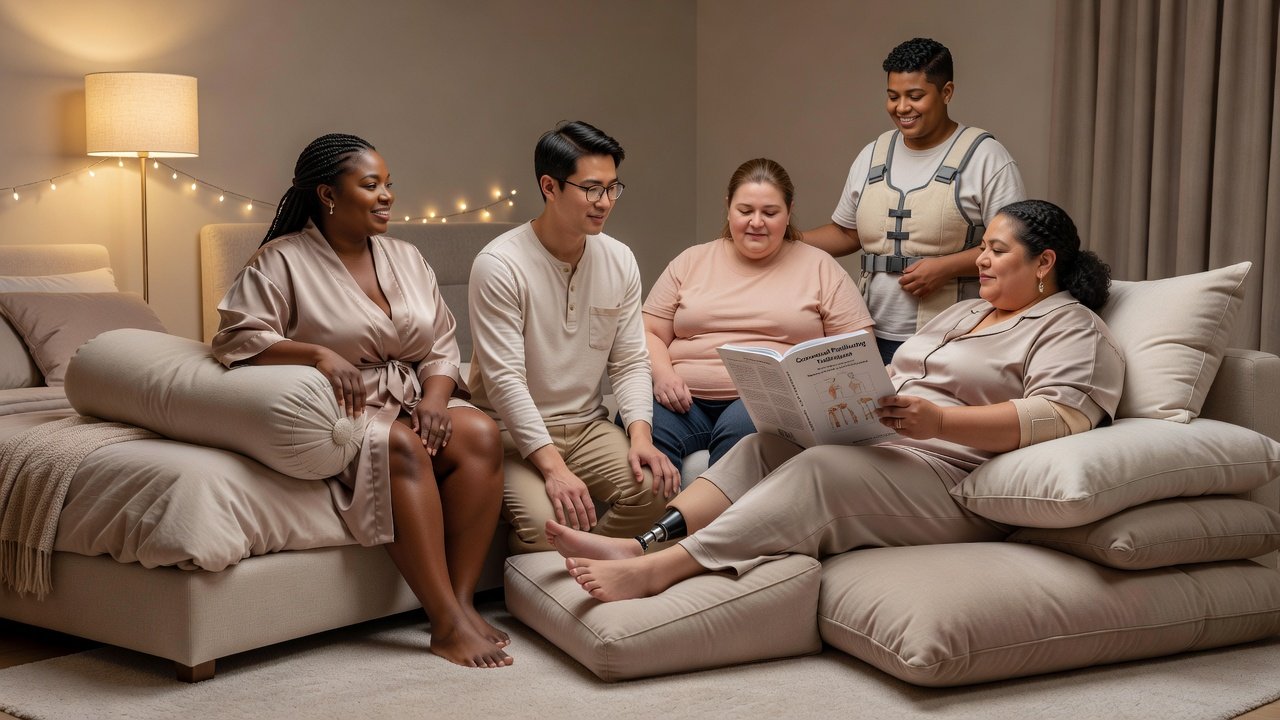
Creating safe, consensual BDSM experiences requires thoughtful adaptation for every body type. Whether you have a larger frame, limited mobility, or unique joint needs, inclusive practices help prevent injury while maximizing pleasure. This guide explores practical strategies for kink beginners and intermediates seeking body-positive approaches to play. Understanding how different physiques interact with restraints, positions, and tools forms the foundation of responsible kink exploration. Many participants overlook body-specific factors until discomfort arises, which is why proactive planning leads to more satisfying and sustainable scenes.
Pre-Scene Body Assessments
Before any scene, conduct a thorough body assessment. Discuss medical history, current physical limitations, and comfort zones openly with your partner. Use a structured conversation covering range of motion, pressure sensitivities, and previous injuries. Document findings in a shared note for future reference. Ask specific questions such as: Does any joint have reduced flexibility? Are there areas prone to numbness? How does your body respond to prolonged pressure? These details allow partners to customize activities effectively. For example, someone recovering from shoulder surgery might avoid overhead arm positions entirely.
Joint and Circulation Considerations for Different Sizes
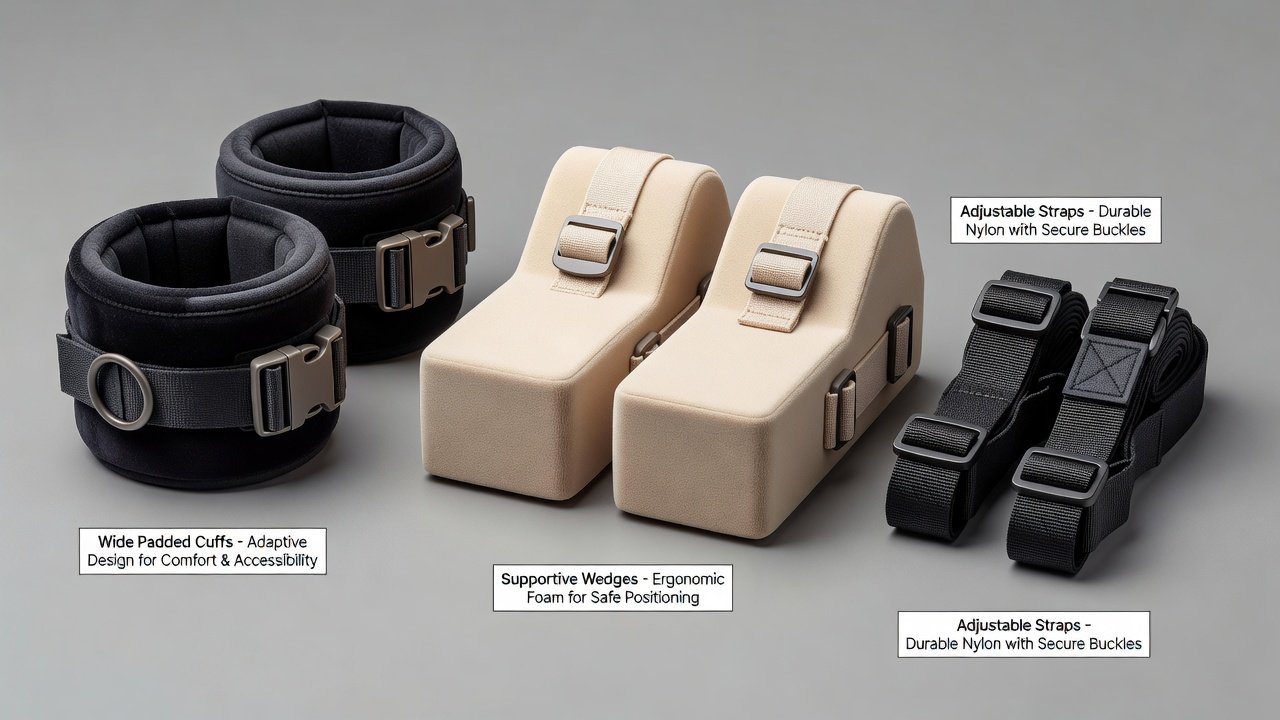
Body size directly influences joint stress and blood flow during restraint. Larger bodies may experience greater pressure on knees and hips, while smaller frames risk nerve compression in tight cuffs. Always test restraints loosely first and monitor skin color and temperature every few minutes. For plus-size participants, wide cuffs distribute weight better than narrow ones. Petite individuals benefit from adjustable straps that prevent slippage without over-tightening. Those with mobility impairments should prioritize positions that maintain natural alignment, such as side-lying setups instead of kneeling. Circulation checks become essential in all cases, especially when limbs are elevated or compressed for extended periods.
Practical Adaptations: Positioning Aids and Modified Restraints
Positioning aids like supportive wedges or adjustable slings improve accessibility. Modified restraints using soft straps or magnetic closures reduce strain compared to traditional metal. Experiment with pillow arrangements to maintain neutral spine alignment. World Health Organization guidelines on musculoskeletal health emphasize proper body mechanics during physical activities, which apply directly to extended play sessions. Consider memory foam mats for floor play to cushion pressure points, or use yoga bolsters to elevate hips without straining the lower back. Adjustable spreader bars with quick-release mechanisms offer versatility across body sizes.
Step-by-Step Risk Evaluation Examples
Follow this process for every new activity: 1) Identify potential risks such as joint hyperextension. 2) Rate likelihood and severity. 3) Implement mitigations like extra padding. 4) Establish clear safewords and check-in signals. 5) Debrief afterward to refine future scenes. Consider a sample scenario involving rope bondage for a plus-size participant with knee concerns. Risks include knee strain from prolonged kneeling and restricted circulation in thighs. Mitigations involve using a padded bench instead of the floor and wide thigh cuffs. Regular check-ins every ten minutes allow immediate adjustments if discomfort appears.
Hydration, Pressure Points, and Comfort Adjustments
Stay hydrated throughout longer scenes, as restricted movement can affect circulation and temperature regulation. Avoid prolonged pressure on major nerves behind the knees or under the arms. Shift positions every 15-20 minutes and use breathable fabrics to prevent overheating. For larger bodies, focus on load distribution across broader surfaces like the thighs and back rather than concentrating weight on wrists or ankles. Petite participants may need extra padding around bony areas such as elbows and ankles to avoid chafing. Incorporate gentle massage breaks to restore blood flow and discuss any emerging pressure sensations immediately.
Comparisons of Common Tools for Accessibility
- Traditional rope vs. wide padded cuffs: Rope offers versatility but requires skill; padded cuffs provide quicker release and less circulation risk for beginners.
- Standard spreader bars vs. adjustable versions: Adjustable bars accommodate varying limb lengths and reduce joint torque across different body sizes.
- Basic blindfolds vs. ergonomic masks: Ergonomic designs prevent facial pressure points for extended wear, especially useful for those with sensitive skin or facial structures.
- Metal handcuffs vs. soft leather cuffs: Soft cuffs minimize bruising and allow better circulation monitoring, making them preferable for longer sessions.
Real-World Case Studies
One couple adapted suspension play for a participant with hip replacements by using a supportive harness system and shorter durations, resulting in comfortable 30-minute sessions without pain. Another group modified floor-based bondage with memory foam mats and side-lying positions, improving comfort for a plus-size participant during a two-hour scene. A third example involved a petite individual with wrist hypermobility who switched to magnetic wrist restraints and elevated arm supports, eliminating numbness issues that had previously interrupted play. These adaptations demonstrate how small changes yield significant safety improvements.
Customizable Safety Checklist
- Review medications and allergies before starting
- Test all restraints for fit and quick release capability
- Confirm hydration and bathroom access are readily available
- Establish multiple communication methods including verbal and non-verbal signals
- Prepare aftercare supplies including blankets, water, and snacks
- Schedule a post-scene check-in within 24 hours to discuss any lingering effects
- Identify and mark pressure-sensitive areas on the body beforehand
- Have emergency scissors or cutters within arm's reach
- Discuss mobility limitations and preferred position changes
- Ensure the environment temperature supports comfort for restricted movement
FAQ on Mobility and Comfort
How do I handle limited mobility in restraints?
Use supportive positioning tools and avoid full suspension if joint stability is a concern. Focus on seated or reclined positions with frequent adjustments and clear communication about any discomfort.
What if circulation feels compromised?
Release immediately, massage the area gently, and elevate limbs. Never ignore tingling or numbness, and take breaks to restore normal blood flow before continuing.
Are there specific considerations for larger bodies?
Yes—prioritize wide load-bearing surfaces and monitor breathing ease when using chest restraints. Choose furniture and aids rated for higher weight capacities.
How can petite participants avoid slippage in restraints?
Opt for adjustable straps with secure locking mechanisms and add extra padding to prevent movement that could cause chafing or uneven pressure.
What aftercare adjustments help different body types?
Provide extra cushions for larger frames and gentle stretching guidance for those with joint issues to ease post-scene recovery.
Conclusion
Inclusive BDSM safety empowers everyone to explore kink confidently. By prioritizing body assessments, adaptive tools, and ongoing communication, participants create more enjoyable and sustainable experiences. Centers for Disease Control and Prevention resources on physical activity safety offer additional frameworks adaptable to intimate play. Always prioritize consent, education, and mutual care for fulfilling scenes that respect individual needs. Mayo Clinic information on joint health further supports the importance of proper alignment during any physical activity.

No comments yet. Be the first!