 Spicy Trip
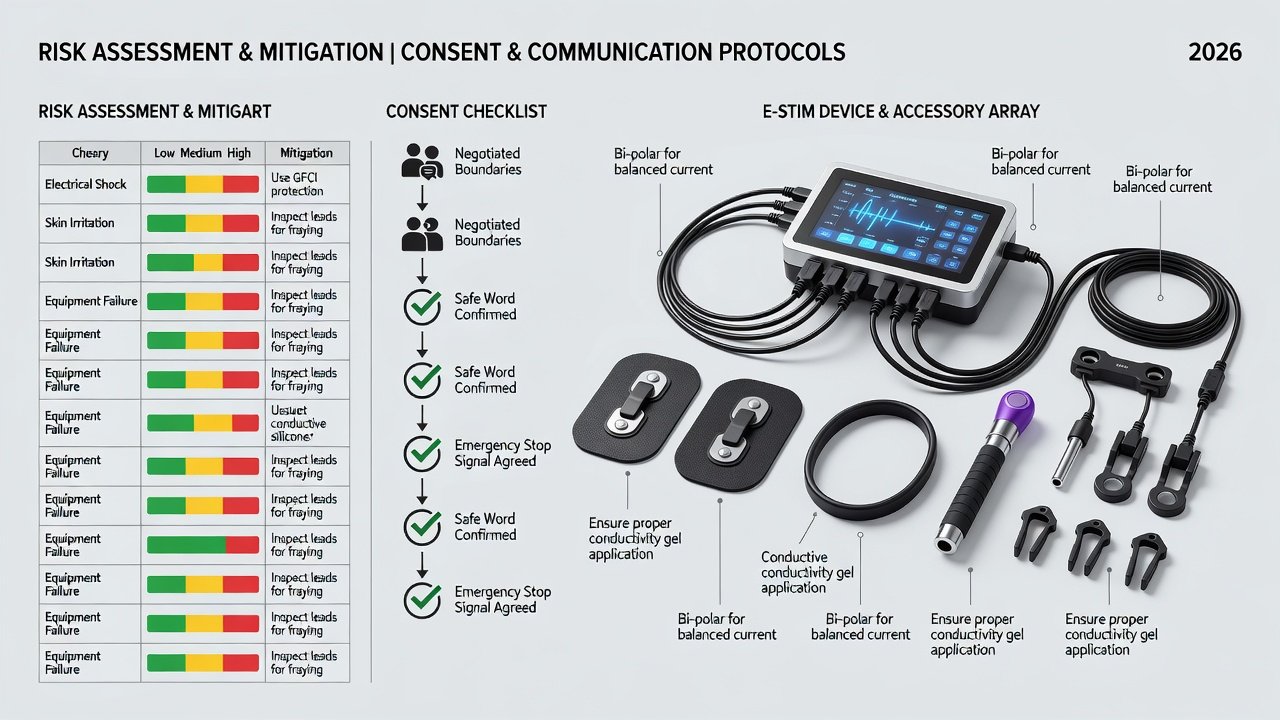
Electrical Play Safety: Risk Assessment Framework for Kink 2026
Electrical play in kink communities requires meticulous risk assessment to ensure safety and consent. This framework helps intermediate practitioners evaluate devices, health considerations, and scene dynamics systematically. By 2026, evolving tools and awareness make structured approaches essential for responsible exploration. Practitioners must move beyond basic awareness to implement layered evaluations that account for individual variability and environmental factors.
Core Principles of Electrical Play Risk Assessment
Begin every session by identifying potential hazards. Electrical play involves controlled currents that stimulate nerves and muscles. Key variables include voltage, current type, duration, and body contact points. A solid framework integrates device specs with personal health data and scene intensity levels. Risk assessment starts with understanding that electricity follows the path of least resistance, often through nerves and blood vessels, which can lead to unintended effects if not monitored closely. Always document baseline readings and revisit them after any change in equipment or partner condition.
Always prioritize education from trusted sources. Consult CDC guidelines on electrical safety for baseline physiological understanding. Combine this with kink-specific knowledge to create personalized protocols. Additional insights from WHO health resources help frame general exposure limits in a medical context, allowing practitioners to translate broad principles into practical kink applications.
Evaluating Device Output and Tool Comparisons
Common tools vary widely in sensation and risk. Violet wands typically operate at high voltage but low amperage, producing surface-level tingling or sharp sparks depending on electrode type. TENS units deliver pulsed currents at lower voltages for deeper muscle stimulation, often described as rhythmic tapping or deep throbbing. E-stim boxes allow precise control over waveforms, enabling everything from steady waves to randomized patterns that mimic unpredictable sensations.
- Violet wand: High voltage (thousands of volts), sharp or buzzing sensations; best for beginners due to lower penetration risk, but requires grounding awareness to prevent stray arcs.
- TENS unit: 0-100 volts range, pulsing or steady sensations; suitable for targeted areas but monitor for skin irritation or muscle fatigue after extended use.
- Audio-based e-stim: Variable output based on sound input; requires careful calibration to avoid unexpected spikes from loud inputs or feedback loops.
- Conductive pads or gloves: Lower voltage options for broad contact; ideal for building intensity gradually but demand even skin contact to avoid hot spots.
Compare tools by sensation type: conductive vs. spark-based. Test outputs on low settings first, using a multimeter where possible for verification. Consider factors like battery life and attachment security, as loose connections can cause sudden intensity jumps.
Partner Health Factors and Pre-Scene Screening
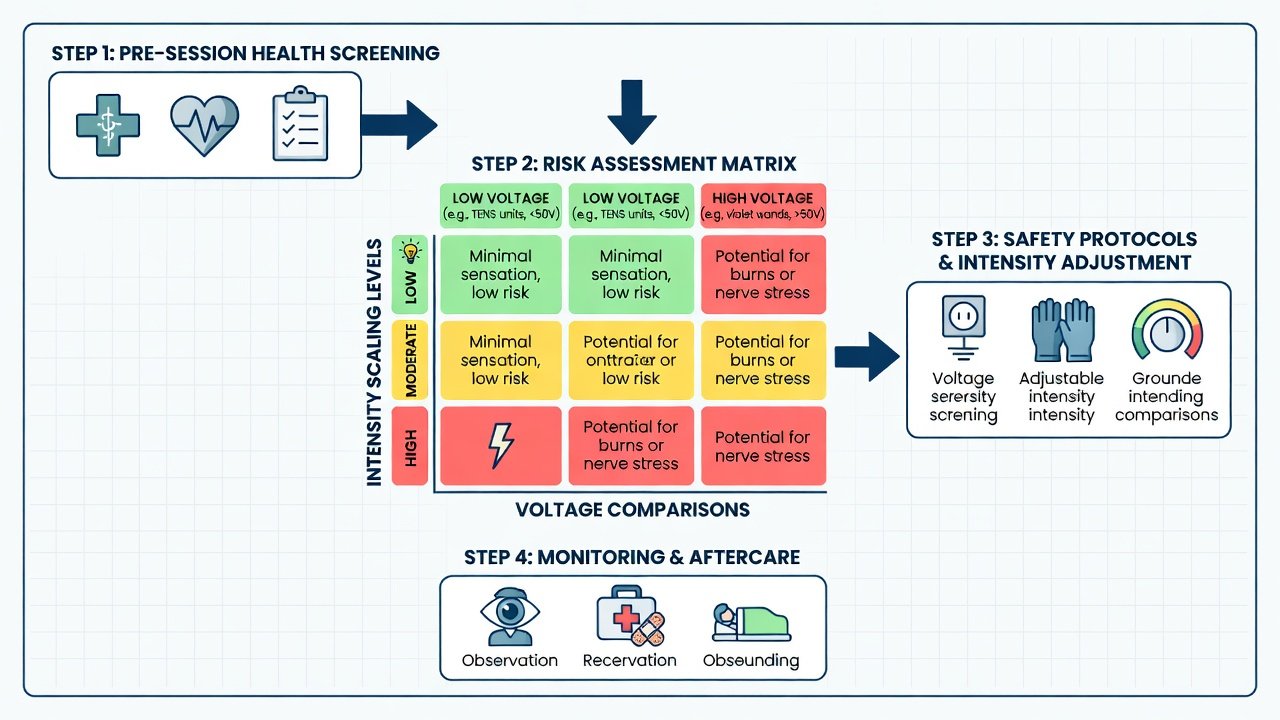
Health assessment forms the foundation. Screen for cardiac conditions, pacemakers, epilepsy, pregnancy, and skin sensitivities. Metal implants or piercings can alter current paths, increasing burn risks. Discuss medications that affect nerve sensitivity, such as those for anxiety or pain management that may dull or heighten responses unexpectedly. Full disclosure builds trust and allows for informed adjustments.
Use a standardized checklist: cardiovascular history, neurological issues, allergies to gels or adhesives, recent surgeries, and chronic pain conditions. Reassess before each scene as health can change. Reference CDC guidelines for updates on relevant medical advisories. Practitioners should also consider mental health factors like anxiety disorders that might amplify perceived intensity during play.
Scene Intensity Scaling Framework
Scale intensity progressively. Start at 20% of maximum device output and increase in 10% increments while monitoring verbal and non-verbal cues. Define clear stop signals and intensity tiers: low (tingling), medium (pulsing), high (contracting). Track duration at each level, noting that prolonged exposure at medium settings can lead to cumulative fatigue even without visible signs.
Build a personal risk matrix with columns for device, body area, duration, and health flags. Rate each from 1-5 for severity. Scenes exceeding level 3 require extra checkpoints and possibly a spotter. Incorporate environmental variables such as room temperature and hydration status, which influence how the body conducts current.
Consent Checkpoints and Communication Protocols
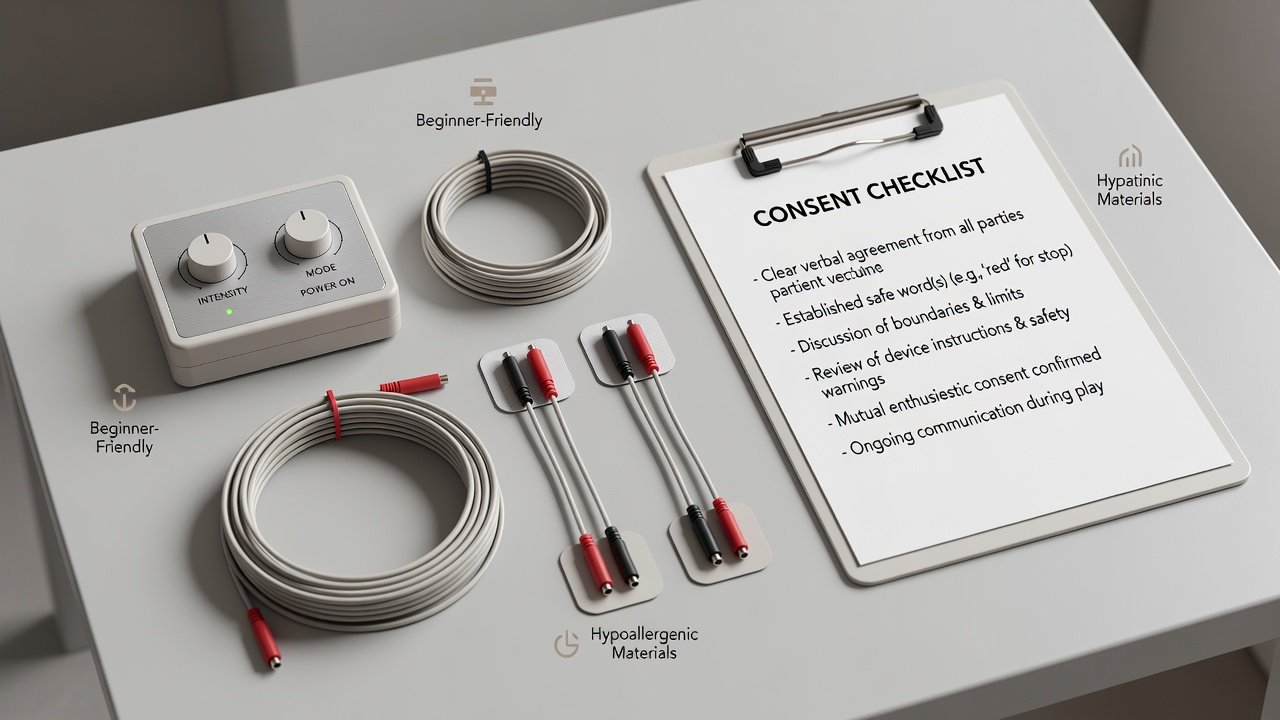
Implement multiple consent layers. Pre-scene negotiation covers limits and safewords. Mid-scene check-ins occur every 5-10 minutes or at intensity changes. Post-scene debrief evaluates the experience and notes any adjustments for future sessions. Use traffic-light systems or numbered scales for quick feedback during active play.
Document agreements in writing for recurring partners. Include emergency contacts and medical history summaries. Reaffirm consent explicitly when introducing new tools or body areas, ensuring ongoing enthusiasm rather than assumed permission.
Step-by-Step Risk Matrix Application
- Identify all devices and test outputs individually on a non-living surface first.
- Map partner health factors onto a 1-5 risk scale with specific notes for each flagged item.
- Define scene goals and maximum intensity cap based on combined device and health ratings.
- Simulate the scene mentally with threshold triggers and backup plans for each stage.
- Execute with real-time monitoring and adjustment, logging observations immediately after.
- Review the matrix post-scene to refine future assessments and identify patterns.
Adjust when thresholds approach, such as increased heart rate or discomfort signals. This iterative process turns abstract risks into actionable decisions.
Real-World Scenarios and Adjustments
Scenario 1: During a TENS session targeting the thighs, the bottom reports dizziness after 15 minutes at medium intensity. Immediately reduce output to zero, check breathing and pulse, provide water, and transition to aftercare while documenting the event for future reference. Scenario 2: Violet wand causes minor skin redness on the chest after spark application. Pause play, apply cooling gel, lower future settings by 15%, and switch to conductive electrodes for the remainder of the session.
Scenario 3: An audio e-stim device spikes unexpectedly due to external noise. Halt immediately, recalibrate the input volume, and resume only after confirming stable output with both partners agreeing on the new baseline. Scenario 4: A partner with a history of mild epilepsy experiences unusual tingling sensations near the head area. Stop all play, move to a safe resting position, and monitor for 30 minutes before deciding on continuation or full termination.
These examples show how to pivot dynamically while maintaining consent and safety.
Aftercare Protocols for Electrical Play
Aftercare addresses both physical and emotional needs. Monitor for delayed skin reactions or muscle soreness for 24 hours. Hydrate, provide warmth, and discuss the scene in detail. Schedule follow-up check-ins at 48 hours to catch any lingering effects. Physical care may include gentle massage of affected areas, application of soothing lotions, and light stretching to ease muscle tension from contractions.
Emotional aftercare involves validating the experience, addressing any unexpected feelings of vulnerability, and reinforcing positive aspects. Keep first-aid supplies like aloe vera and burn gel accessible. Know when to seek professional medical help for persistent symptoms such as irregular heartbeat or prolonged numbness. Long-term aftercare includes periodic health re-screening and updating the risk matrix based on new information.
FAQ: Common Safety Misconceptions and Emergency Steps
Is electrical play safe with any device?
No. Only use devices designed for body contact. Household appliances pose severe risks and should never be used, as they lack current limiting and can deliver dangerous amperage levels.
What if a partner has a pacemaker?
Avoid electrical play entirely. Currents can interfere with device function, leading to life-threatening complications that require immediate medical intervention.
How do I respond to an emergency?
Stop all stimulation immediately. Ensure the scene area is safe from live currents by powering off devices. Call emergency services if breathing or consciousness is affected. Provide clear details about the electrical exposure, including device type and duration, to assist responders.
Can I combine electrical play with other kink activities?
Yes, but only after separate risk assessments for each element. Layering increases complexity, so maintain lower intensity levels and add extra consent checkpoints throughout.
Are there age or experience minimums for electrical play?
Participants should be legal adults with demonstrated understanding of the tools involved. Beginners benefit from supervised sessions with experienced practitioners before attempting independent scenes.
These protocols reduce common misconceptions and prepare practitioners for real incidents, fostering safer community practices overall.
No comments yet. Be the first!