 Spicy Trip
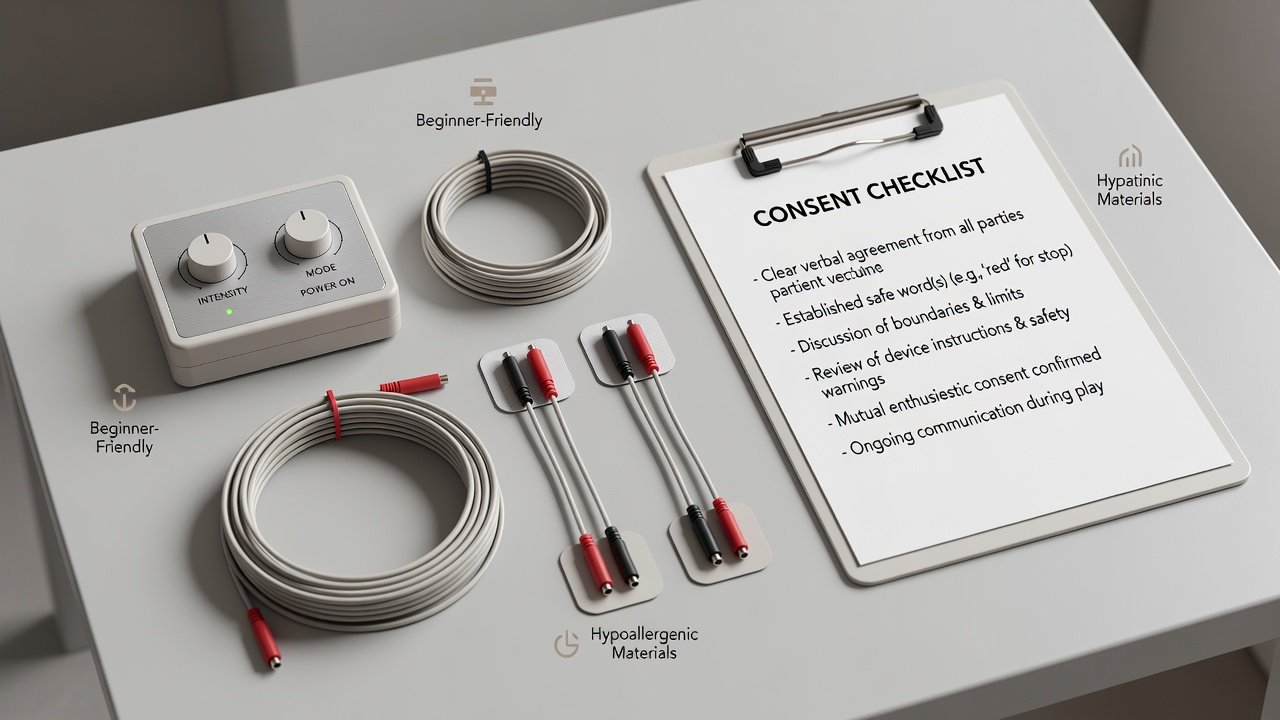
Introduction to Electrical Play Safety in BDSM
Electrical play, often called e-stim or electrostimulation, involves using controlled electrical currents to create sensations during kink activities. For beginners exploring BDSM safety essentials, selecting the right devices is critical to minimize risks while maximizing pleasure. This comprehensive guide focuses on device selection for first-time users in 2026, integrating core BDSM safety principles, consent checks, and aftercare routines. Whether you are new to kink basics or building on breath play monitoring techniques, understanding these elements helps create positive experiences. Electrical currents can range from gentle tingles to intense pulses, but improper use may lead to burns, nerve damage, or cardiac issues. Always prioritize education and start slow. Authoritative health resources like Mayo Clinic emphasize the importance of understanding electrical safety before any experimentation. In addition, global health guidelines from World Health Organization stress the need for informed consent and risk awareness in any physical activity involving the body.
Many newcomers to electrical play come from broader interests in sensual exploration or erotic wellness practices. The key is recognizing that electrical play is not about high voltage thrills but about precise control and communication. Beginners often underestimate how quickly sensations can escalate, which is why device selection must align with personal limits and experience levels. This guide will walk through every aspect in detail, providing checklists, real-world examples, and decision frameworks to ensure sessions remain safe and enjoyable.
Types of E-Stim Tools for Beginners
Several categories of devices suit newcomers. TENS units, originally designed for pain relief, offer accessible entry points with adjustable intensity and multiple modes. Violet wands provide surface-level sensations through glass electrodes and can create both visual sparks and tactile feedback. Power boxes paired with electrodes allow more customization but require careful setup and knowledge of electrode placement. Newer options include app-controlled units that let partners adjust settings remotely, though these introduce additional variables around connectivity and privacy. Avoid homemade devices or unverified consumer products, as they often lack safety features like current limiting or automatic shutoffs.
When comparing options, consider power source, electrode compatibility, and built-in safety mechanisms. Beginners should favor battery-operated units over plug-in models for better control and isolation from mains electricity. Look for devices with clear intensity scales, pulse width adjustments, and emergency stop functions. Popular entry-level choices include portable TENS machines with four electrode channels, allowing targeted stimulation across different body areas simultaneously. Always verify that any device carries appropriate safety certifications before purchase.
Voltage and Intensity Basics
Voltage determines the potential difference driving the current, while intensity controls perceived strength. Start at the lowest settings—typically under 10 volts for initial tests—and increase gradually over multiple sessions. Frequency affects sensation type: low frequencies produce throbbing or pulsing feelings, higher ones create buzzing or tapping sensations. Waveform shape also matters; some units offer square waves for sharper feelings while others provide smoother sine waves. Always test on less sensitive areas like the forearm before moving to erogenous zones such as inner thighs or nipples.
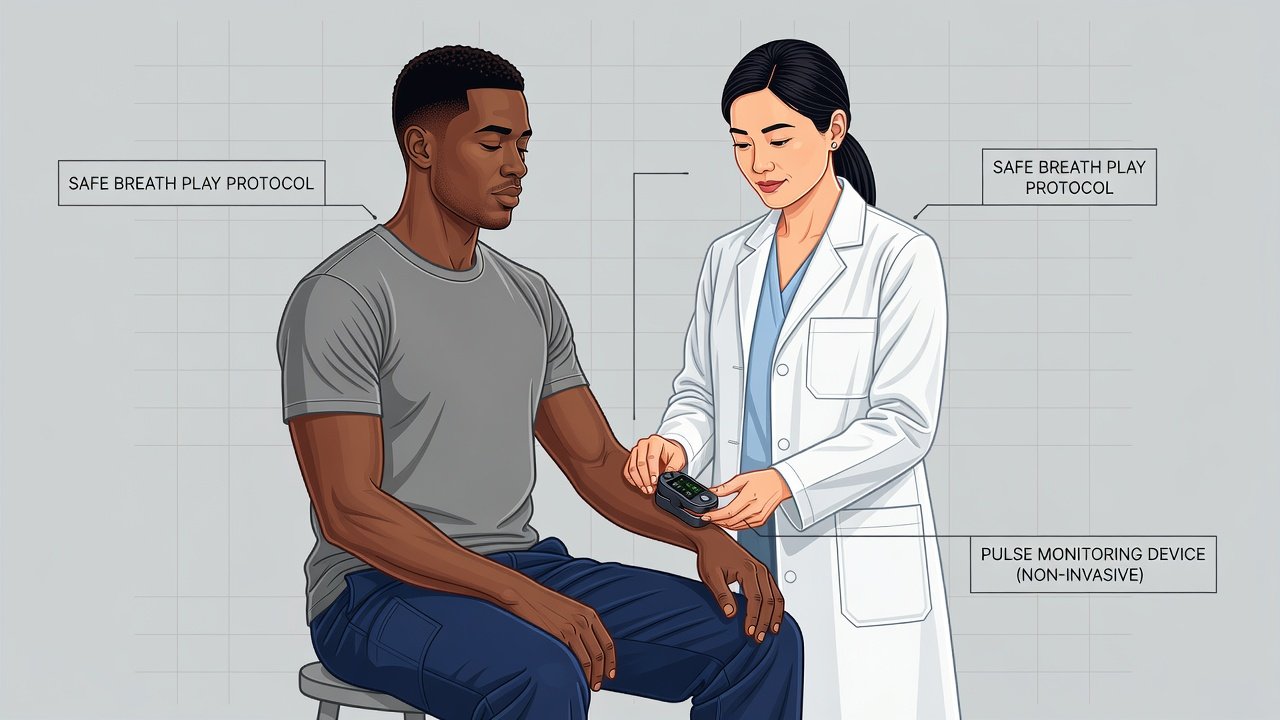
Monitoring techniques borrowed from breath play safety involve continuous verbal check-ins and watching for physical cues such as muscle twitching, skin redness, or changes in breathing patterns. Never exceed personal comfort thresholds, and remember that individual tolerance varies widely based on hydration, fatigue, and even time of day. A practical example involves setting a device to a 5-volt baseline with 50 Hz frequency, then increasing by 2 volts only after confirming comfort at each step during a 10-minute test period.
Consent Checks Before Use
Consent forms the foundation of all kink activities. Before any session, discuss boundaries, safe words, and medical history including heart conditions, pacemakers, epilepsy, or metal implants. Use a pre-session checklist: confirm no alcohol or drugs, verify device functionality, and establish emergency protocols. Reaffirm consent throughout the scene with traffic-light systems (green for continue, yellow for adjust, red for stop). Real-scenario examples show that even experienced partners benefit from written consent notes that outline specific electrode placements and maximum intensity levels agreed upon in advance.
Practical tip: Record consent discussions in writing for ongoing relationships to reference later. Incorporate breath play monitoring techniques by observing micro-expressions and pulse points during play. Additional support for consent education appears through resources like NHS sexual health guidance.
Step-by-Step Examples of Safe First Sessions
Follow this structured approach for your initial electrical play experience. First, prepare the space by cleaning surfaces, gathering supplies including conductive gel, towels, and a first-aid kit. Next, perform device setup by inserting batteries, attaching electrodes securely, and conducting a low-power test on yourself. Partner positioning should ensure the bottom is comfortable and can signal easily, perhaps using pillows for support. Begin the session by applying current to outer thighs or arms at minimal intensity for 5-10 minutes while monitoring responses.
During the session, check in every 2 minutes using verbal cues and observation. Adjust settings only after explicit confirmation. End gradually by reducing power slowly before removing electrodes. A second example scenario involves combining light bondage with e-stim on the calves, using a timer to limit the session to 15 minutes total. Always keep scissors nearby for quick release if needed.
Risk Comparison Table for Different Devices
| Device Type | Risk Level | Beginner Suitability | Key Precautions |
|---|---|---|---|
| TENS Unit | Low | High | Use only external pads; avoid chest area |
| Violet Wand | Medium | Medium | Keep away from eyes and mucous membranes |
| Power Box with Electrodes | High | Low (with training) | Require training; monitor for overheating |
| App-Controlled Units | Medium-High | Medium | Ensure stable connection; have manual override ready |
This table highlights why TENS units often serve as the safest starting point for kink beginners, while more advanced tools demand additional preparation and supervision.
Integration with Aftercare Routines
Aftercare is essential following electrical play. Provide hydration, warm blankets, and emotional check-ins lasting at least 30 minutes. Inspect skin for any redness or irritation, applying soothing lotions if needed. Discuss what worked and what to adjust next time, noting specific sensations and intensities. Incorporate monitoring techniques such as noting pulse rates or breathing patterns during the session to inform aftercare needs. Extended aftercare might include gentle massage or quiet time together to process the experience emotionally.
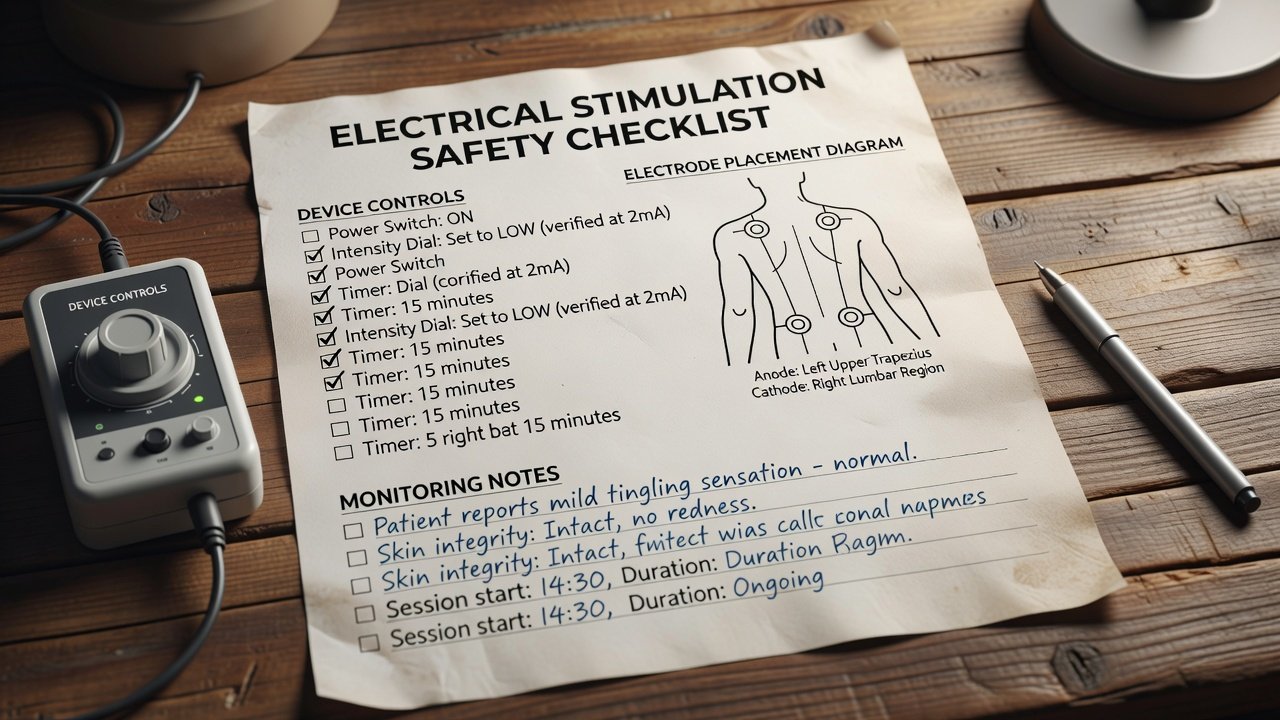
Practical Checklists and Common Beginner Mistakes FAQ
Pre-Session Checklist
- Review medical contraindications thoroughly
- Test all equipment on low settings
- Establish safe words and non-verbal signals
- Prepare aftercare supplies including water and snacks
- Confirm clean electrodes and fresh conductive gel
- Charge or replace batteries fully
- Clear the play area of tripping hazards
Post-Session Checklist
- Power down and disconnect all devices
- Clean electrodes with appropriate disinfectant
- Document session details for future reference
- Schedule follow-up emotional check-in within 24 hours
FAQ on Common Beginner Mistakes
Q: Can I use household batteries in e-stim devices? A: Only if the device manual specifies compatibility; mismatched power can cause erratic output and unexpected intensity spikes.
Q: Is it safe to combine electrical play with bondage? A: Yes, but ensure quick-release mechanisms and constant supervision using breath play-style monitoring for any signs of distress.
Q: What if I feel numbness after a session? A: Stop immediately and consult a medical professional; persistent symptoms require attention from a qualified healthcare provider.
Q: How long should a first session last? A: Limit initial sessions to 15-20 minutes total, focusing on low intensity and frequent check-ins.
Additional resources on general electrical safety appear on CDC injury prevention pages. Continued education through community workshops and reputable kink education sites further strengthens safe practices.
Conclusion
Selecting appropriate devices for electrical play empowers beginners to explore kink safely. By focusing on consent, gradual intensity increases, and thorough aftercare, participants build rewarding experiences grounded in BDSM safety essentials. Always continue learning and prioritize communication for ongoing enjoyment in 2026 and beyond.
No comments yet. Be the first!