 Spicy Trip

Introduction to Consent in Long-Distance Relationships
Navigating enthusiastic consent across distance requires intentional communication that adapts traditional practices to digital tools. In 2026, couples in long-distance relationships (LDRs) rely on video calls, secure messaging, and scheduled check-ins to maintain clarity, respect, and intimacy. This guide explores proven strategies for setting boundaries, recognizing subtle digital signals, and using modern apps to foster ongoing consent. Distance can amplify feelings of uncertainty, so proactive consent practices become the foundation for healthy connection rather than an afterthought. Many couples discover that remote dynamics actually encourage deeper conversations about desires and limits because physical proximity no longer masks unspoken assumptions.
Why Consent Practices Must Evolve for Remote Relationships
Enthusiastic consent means ongoing, mutual excitement rather than absence of refusal. Distance removes many physical cues, making explicit verbal and written agreements essential. Research from health authorities highlights that clear communication reduces misunderstandings in all relationship formats. Remote dynamics demand proactive protocols because partners cannot rely on shared physical spaces for reassurance. Without regular in-person touch, couples must compensate with structured verbal check-ins that feel natural yet thorough. This evolution protects emotional well-being and strengthens the overall relationship bond over time.
Adapting Consent Education to Video Calls and Texting
Video platforms allow real-time tone and facial expression reading, yet latency and camera angles can distort signals. Begin each intimate conversation by confirming comfort levels with simple questions such as "How are you feeling about this right now?" Texting protocols should include pre-agreed emojis or phrases that signal enthusiasm or pause. Schedule dedicated relationship talks outside of sexual contexts to discuss evolving boundaries without pressure. Over time, these habits create a shared language that both partners can rely on during moments of vulnerability or excitement.
Recognizing Digital Nonverbal Cues
Pay attention to response timing, emoji usage, camera positioning, and voice modulation during calls. A delayed reply might indicate hesitation rather than technical issues. Encourage partners to verbalize feelings explicitly: "I feel excited about that idea" or "I need to slow down." Practice mirroring statements to confirm understanding. For example, if one partner mentions feeling tired, respond with "It sounds like you're tired—would you like to pause and reconnect tomorrow?" This technique reduces misinterpretation and demonstrates active listening across screens.
Handling Time Zone Challenges in Sex Communication
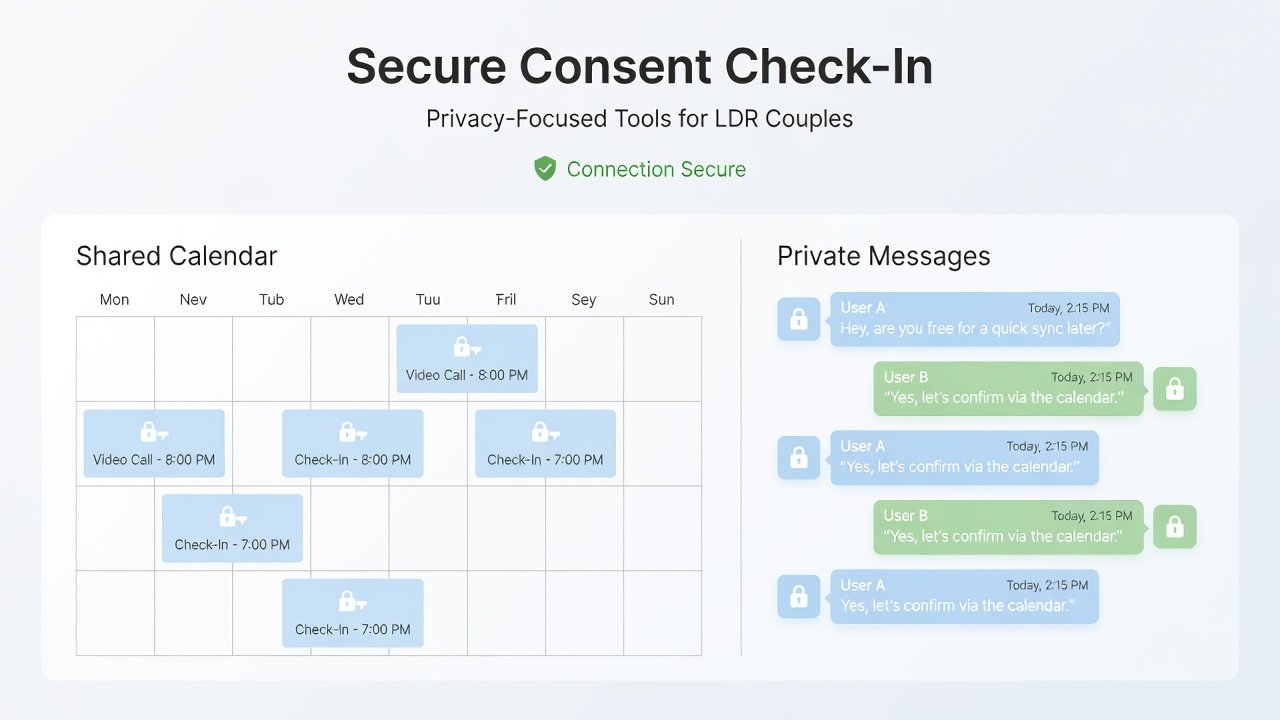
Time differences complicate spontaneous intimacy. Create shared calendars for availability windows and use asynchronous voice notes for consent discussions. When one partner is winding down and the other is starting their day, agree on low-pressure check-in rituals. This prevents fatigue from leading to rushed or unclear agreements. Consider rotating who initiates late-night or early-morning conversations so neither person consistently sacrifices sleep. Over weeks and months, these adjustments become second nature and reduce resentment around scheduling.
Step-by-Step Boundary-Setting Scripts
Use these adaptable examples during video calls or secure chats. First, open with a positive frame: "I really enjoy being intimate with you and want to make sure we're both comfortable." Second, state your boundary clearly: "My current boundary is no photos after midnight—does that work for you?" Third, invite reciprocity: "What boundaries are you feeling right now?" Fourth, confirm agreement: "Great, so we'll pause if either of us says the safe word or uses our emoji." Revisit these scripts monthly as comfort levels change and new activities arise. Additional variations include discussing frequency of intimate calls or preferences around recording short clips for later viewing.
Comparison: In-Person vs Remote Consent Practices
- In-Person: Physical touch provides instant feedback; body language is fully visible; adjustments happen through subtle movements and eye contact.
- Remote: Requires more verbal confirmation; relies on tech for tone and visual cues; allows recorded agreements for clarity; reduces risk of unintended pressure from proximity.
- Shared: Both need ongoing enthusiasm, respect for pauses, and regular boundary reviews; both benefit from aftercare conversations that reinforce emotional safety.
- Key Differences: Remote consent often increases intentionality but demands extra effort to replicate physical presence through detailed descriptions and shared fantasies.
Many couples find that remote methods highlight the importance of words, leading to richer overall communication skills that carry over when they reunite in person.
2026 Tools for Ongoing Consent Check-Ins
Secure apps with end-to-end encryption now offer shared journals and scheduled reminders for consent discussions. Features like private voice rooms and mood trackers help couples maintain intimacy without compromising privacy. Choose platforms with strong data protection to keep personal conversations safe. Integrate these tools into daily routines by setting gentle reminders that prompt both partners to reflect on current comfort levels before intimate moments. This consistent use builds a reliable system that feels supportive rather than clinical.
Rebuilding Trust After Miscommunications
When signals are missed, acknowledge the impact immediately without defensiveness. Use structured repair talks: name the issue factually, express feelings using "I" statements, restate boundaries together, and agree on future adjustments such as adding extra check-ins. Consistent follow-through rebuilds safety over time. For instance, if a text was misinterpreted as pressure, schedule a calm video call to clarify intentions and reaffirm that either person can always pause without consequence.
Common Mistakes to Avoid in LDR Consent
One frequent error is assuming silence equals agreement during delayed responses. Another is skipping check-ins when tired or rushed, which can lead to later regret. Avoid introducing new activities without prior discussion, especially across time zones where energy levels differ. Finally, do not treat consent as a one-time conversation; instead, view it as an evolving dialogue that adapts to life changes, stress, and relationship growth.
Building Emotional Safety Alongside Physical Boundaries
Consent extends beyond sexual activities to emotional availability and support. Discuss how each partner prefers to handle vulnerability during difficult periods, such as work stress or family issues. Creating rituals like weekly gratitude shares or dedicated listening sessions strengthens the foundation that makes sexual consent feel natural and secure. These practices help both individuals feel valued as whole people, not just romantic or sexual partners.
Frequently Asked Questions
How often should we discuss boundaries in an LDR?
Schedule monthly reviews plus immediate check-ins after any new activity or life change. This rhythm keeps communication fresh without overwhelming daily life.
What if time zones make real-time talks impossible?
Use recorded messages and shared documents to confirm consent asynchronously, then follow up when schedules align. Many couples successfully maintain connection through thoughtful voice notes exchanged over several hours.
Are there specific apps recommended for consent in 2026?
Look for encrypted relationship apps with journaling and reminder features from reputable developers focused on privacy. Test a few options together to find the interface that feels most intuitive for both partners.
How do we handle differing comfort levels with new technology?
Introduce tools gradually and always obtain explicit agreement before sharing sensitive content through any new platform. Respect if one partner prefers sticking with familiar methods.
What should we do if one person feels pressured by the distance itself?
Openly discuss the feeling and explore ways to reduce pressure, such as shortening call lengths or focusing more on non-sexual connection until both feel ready again.
Conclusion
Mastering consent in long-distance relationships in 2026 means embracing structured digital communication while preserving warmth and enthusiasm. By using clear scripts, recognizing subtle cues, and leveraging secure tools, couples can build deeper trust and connection despite the miles. The effort invested in these practices pays dividends in relationship satisfaction and personal confidence, creating a resilient bond that withstands both distance and time.

No comments yet. Be the first!