 Spicy Trip
Introduction: Linking Knowledge to Emotional Wellness
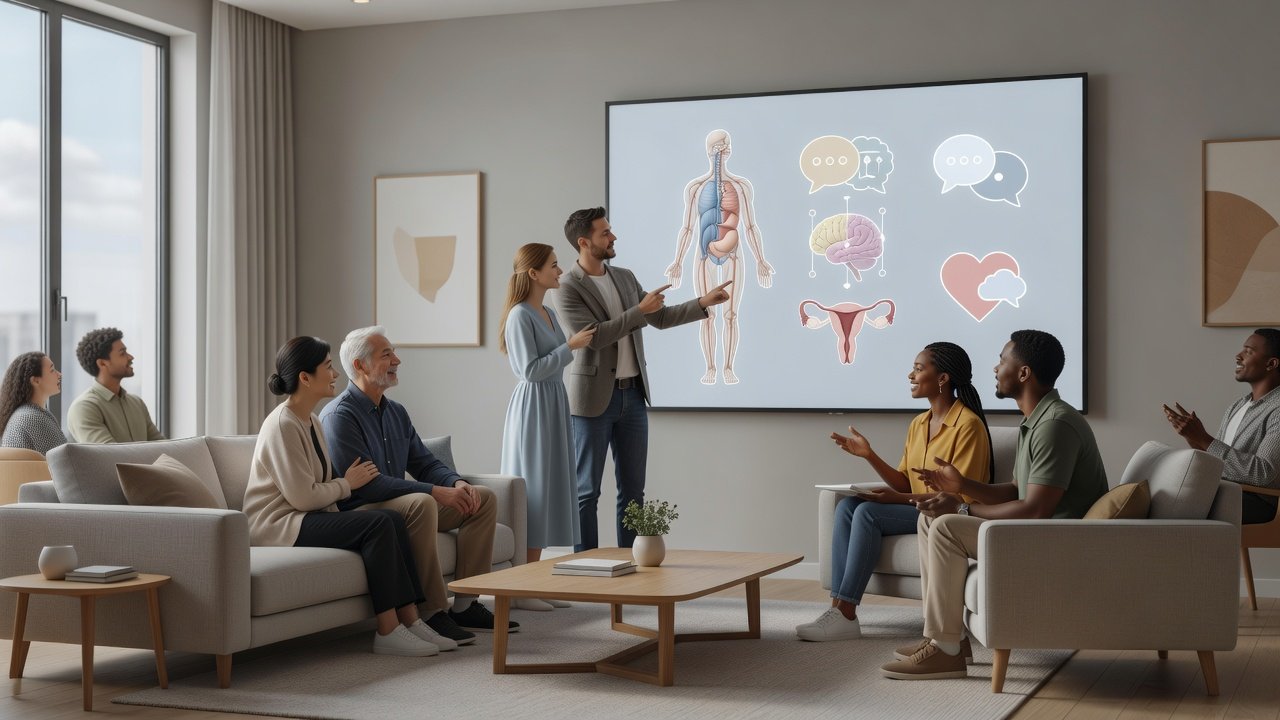
In 2026, many beginners seek clear, evidence-based ways to improve their mental health through better understanding of intimacy. Comprehensive sex education provides foundational knowledge that directly lowers anxiety and strengthens confidence in personal relationships. By focusing on basic anatomy, simple communication, and common misconceptions, individuals can integrate these lessons into daily routines for lasting benefits. This approach moves beyond basic facts to address emotional wellness, helping people navigate intimate connections with greater ease and reduced stress. Research from leading health authorities demonstrates clear connections between informed perspectives and improved psychological outcomes, making this education essential for modern life.
Uncertainty often stems from incomplete information absorbed through peers or media. Comprehensive programs fill these gaps methodically, creating a sense of control and calm. Readers will find practical applications throughout this guide, including steps that fit seamlessly into everyday schedules without requiring major lifestyle overhauls.
How Sex Education Reduces Anxiety
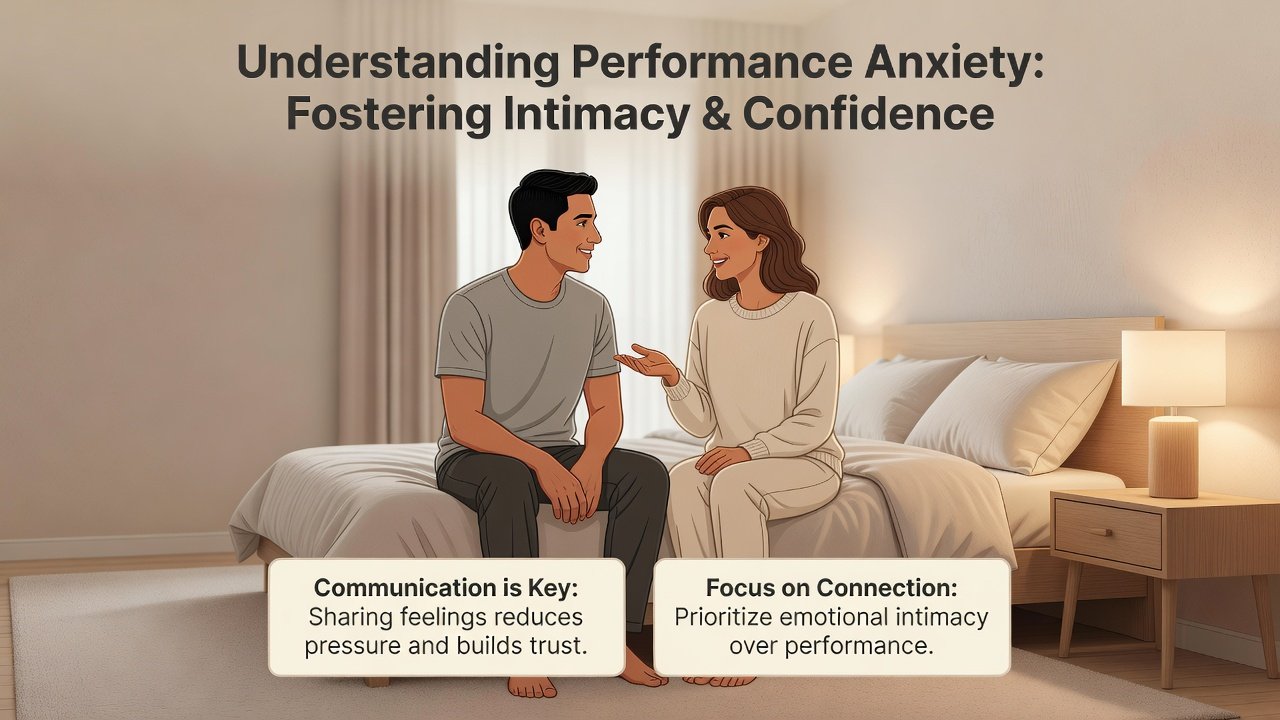
Uncertainty about sexual health often fuels unnecessary stress and worry in daily interactions. Comprehensive programs replace myths with facts, helping people feel more secure in their own skin and during shared moments. For instance, understanding consent and boundaries early prevents misunderstandings that lead to emotional distress and lingering doubts. When individuals learn accurate information, they report fewer intrusive thoughts about performance or acceptance, allowing space for genuine connection instead.
Studies from organizations like the World Health Organization highlight how education correlates with lower rates of anxiety related to intimacy. In 2026, integrating short daily reflections on these topics can further enhance mental clarity and resilience against external pressures. Additional insights from psychological research show that structured learning reduces physiological symptoms such as elevated heart rate during discussions of intimacy. Beginners benefit most when they start small, focusing on one concept at a time to avoid overload while building cumulative confidence.
Boosting Confidence Through Foundational Knowledge
Confidence grows when individuals know their bodies and can express needs effectively without fear of judgment. Sex education teaches self-awareness that translates to stronger self-esteem in relationships of all kinds. This foundation helps dismantle internalized shame, replacing it with acceptance and empowerment that carries over into professional and social spheres as well.
Practical application includes journaling personal boundaries weekly and reviewing them during quiet moments. This simple habit reinforces positive self-perception without overwhelming detail, leading to noticeable shifts in how one approaches conversations about desires and limits. Over time, these practices create a feedback loop where increased knowledge fuels bolder yet respectful interactions.
Basic Anatomy Awareness for Beginners
Starting with accurate anatomy reduces embarrassment and promotes healthy attitudes toward one's own physicality. Learning key terms and functions helps demystify natural processes that many encounter but rarely discuss openly. This awareness extends to recognizing individual variations, fostering appreciation rather than comparison with unrealistic standards.
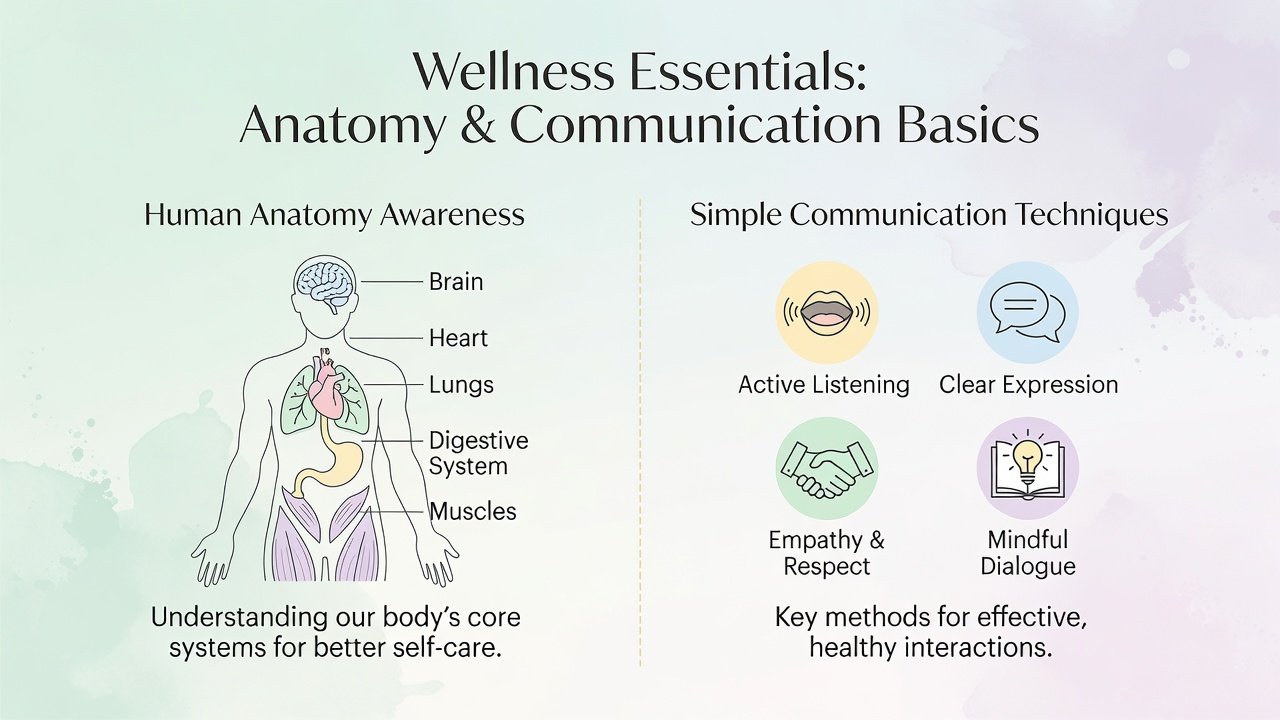
Key points include understanding reproductive systems, pleasure centers, and hormonal influences in straightforward language. Diverse couples report feeling more connected after reviewing these basics together during calm evening discussions, often leading to improved emotional intimacy alongside physical comfort. Expanding on this, education encourages viewing anatomy as unique rather than standardized, which diminishes self-criticism and opens pathways to more satisfying experiences.
Simple Communication Techniques
Effective dialogue forms the core of confident relationships and prevents many common sources of tension. Techniques like using "I feel" statements keep conversations supportive and focused on mutual understanding rather than blame. These methods prove especially valuable for beginners who may feel awkward initiating sensitive topics.
- Practice active listening by summarizing your partner's words before responding to ensure accurate interpretation.
- Set aside 10 minutes daily for open talks about comfort levels, creating a consistent ritual that builds trust gradually.
- Use neutral language to address concerns without blame, which helps maintain emotional safety during exchanges.
- Incorporate check-ins after intimate moments to reinforce positive patterns and adjust as needed.
These steps, when applied consistently, build trust and lower relational anxiety over time while strengthening overall partnership dynamics.
Addressing Everyday Misconceptions
Common myths, such as performance expectations from media or cultural stereotypes, create unnecessary pressure and self-doubt. Education counters these by emphasizing individual experiences and mutual respect as the true measures of fulfillment. Clearing up these ideas allows space for authentic connections free from external comparisons.
Relatable examples include a same-sex couple who overcame body image worries through shared learning sessions focused on positive reinforcement. Another involves heterosexual partners who improved intimacy by clarifying consent signals during relaxed weekend conversations, resulting in deeper emotional bonds and reduced second-guessing.
Practical Steps for Daily Integration in 2026
Applying concepts daily ensures lasting mental health benefits rather than temporary gains. Begin by identifying one educational resource aligned with personal goals and commit to brief engagement each morning. Next, discuss one new insight with a partner during shared meals to normalize ongoing learning within the relationship.
- Review one educational resource each morning for five minutes, selecting topics that address current questions or curiosities.
- Discuss one new insight with a partner during meals, keeping exchanges light and exploratory to encourage openness.
- Track emotional responses in a private journal to note improvements in anxiety levels and confidence markers over weeks.
- Seek professional guidance if deeper concerns arise, connecting with certified educators or counselors for personalized support.
- Incorporate mindfulness pauses before intimate interactions to apply learned principles in real time.
These routines support ongoing mental health benefits tailored to modern lifestyles, including remote work schedules and digital influences prevalent in 2026.
Real-World Examples from Diverse Couples
Examining varied experiences illustrates how these principles translate across backgrounds. One interracial couple integrated anatomy awareness into weekend routines, leading to fewer misunderstandings and heightened mutual appreciation. A polyamorous group applied communication techniques during scheduled check-ins, reporting lower overall stress and stronger individual well-being. These stories highlight adaptability, showing that foundational education scales to different relationship structures without complexity.
2026-Relevant Insights on Lasting Benefits
Current trends emphasize accessible digital tools for ongoing education, allowing seamless integration into busy lives. Mental health professionals note increased referrals for intimacy-related anxiety that respond well to structured learning programs. Staying current with evolving social norms ensures the education remains relevant and inclusive.
FAQ: Common Beginner Questions
How long does it take to see mental health improvements?
Many notice reduced anxiety within weeks of consistent learning, though individual results vary based on prior exposure and personal circumstances.
Is this education suitable for all ages and orientations?
Yes, foundational approaches adapt to diverse backgrounds and promote inclusivity across the spectrum of identities and experiences.
What if misconceptions persist despite education?
Revisit basics gradually and consider supportive communities or therapists for reinforcement, allowing time for new perspectives to take root.
Can solo learners benefit without a partner?
Absolutely, self-study builds personal confidence that enhances future relationships and current self-perception alike.
Conclusion
Comprehensive sex education offers powerful tools for mental wellness by fostering knowledge, communication, and self-assurance. By applying these concepts daily through structured steps and reflective practices, individuals and couples can enjoy healthier, more confident intimate lives in 2026 and beyond, creating ripple effects that support broader emotional resilience.
No comments yet. Be the first!