 Spicy Trip
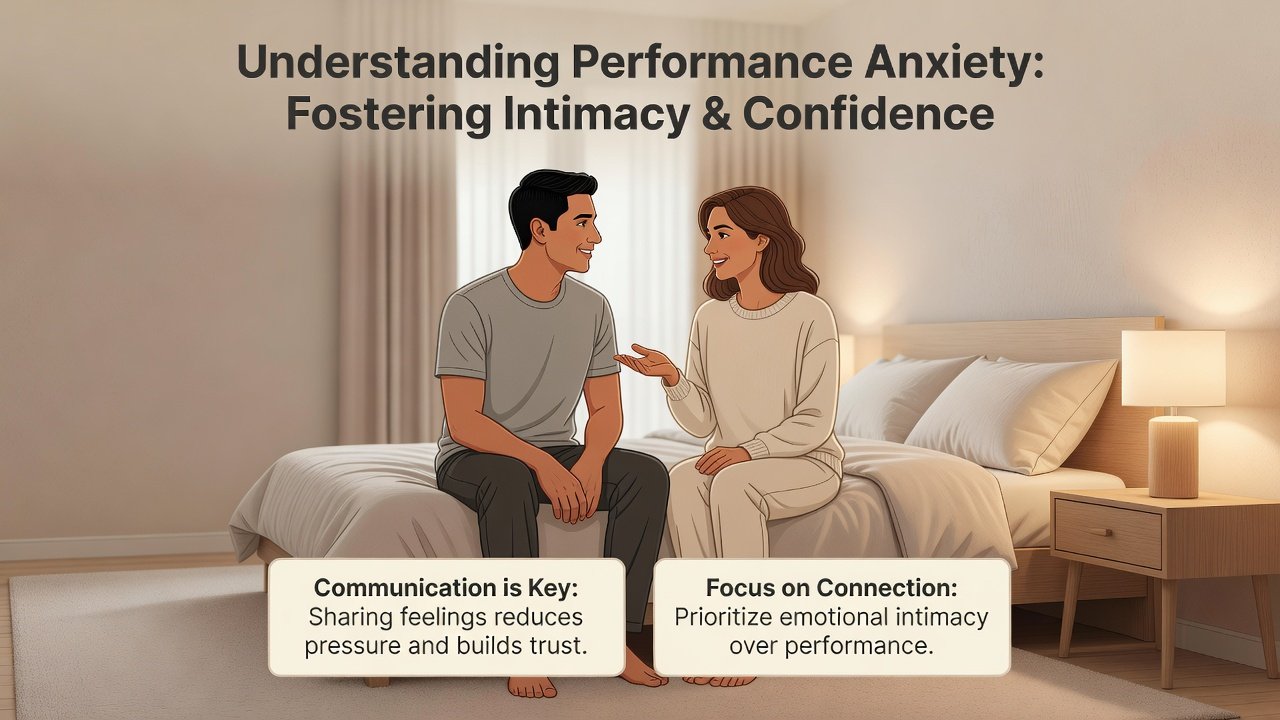
Managing Performance Anxiety: Sex Ed Basics & Myths 2026
Performance anxiety is one of the most common yet rarely discussed barriers in sexual health. It can transform moments of potential closeness into stressful events filled with self-doubt. This beginner-focused guide combines foundational sex education principles with proven practical techniques to help readers build lasting confidence. By addressing how stress disrupts natural arousal, examining widespread myths, and providing step-by-step tools, the content offers actionable 2026 advice without unnecessary clinical language.
Understanding Performance Anxiety in Sexual Contexts
Performance anxiety occurs when fear of inadequate sexual response overshadows enjoyment. It affects individuals across all ages, genders, and experience levels. Common signs include racing thoughts, physical tension, or avoidance of intimacy altogether. At its core, this anxiety often arises from internalized pressures rather than any inherent flaw in desire or capability.
Basic anatomy knowledge provides helpful context. The brain processes both sexual arousal and stress through overlapping pathways in the limbic system. When anxiety activates, it can override signals that promote relaxation and blood flow to erogenous zones. Understanding this connection empowers people to interrupt the cycle early instead of feeling helpless.
How Stress Impacts Arousal and Physical Response
Stress triggers the release of hormones such as cortisol and adrenaline, which prepare the body for perceived threats. This response reduces blood flow to areas needed for arousal and dampens sensory awareness. For example, someone may experience difficulty achieving or maintaining an erection, reduced natural lubrication, or a sudden drop in mental engagement during intimate moments.
Over time, repeated episodes can create a conditioned response where the mere thought of intimacy sparks anxiety. Practical observation shows that even mild daily stressors from work or finances can compound these effects. Learning to recognize early physical cues, such as shallow breathing or muscle tightness, allows intervention before full escalation. Resources from the World Health Organization underscore the importance of addressing mental factors alongside physical ones for overall sexual well-being.
Debunking Common Myths About 'Normal' Performance
Several persistent myths distort expectations and fuel anxiety. One myth claims that sexual performance must remain consistently flawless every time. In truth, natural variation occurs due to fatigue, mood, or external circumstances, and healthy intimacy accommodates these fluctuations.
Another misconception suggests that simultaneous orgasms define success. Most couples find mutual satisfaction through varied pacing and focus on pleasure rather than synchronized outcomes. A third myth holds that anxiety only impacts those new to sexual activity. Long-term partners frequently encounter it during life transitions such as career changes or health shifts.
Media portrayals often reinforce the false idea that certain body types or sizes guarantee superior performance. These images ignore individual differences and the reality that emotional connection matters far more than physical ideals. Debunking these beliefs frees individuals to redefine success on their own terms.
Step-by-Step Breathing Exercises for Immediate Relief
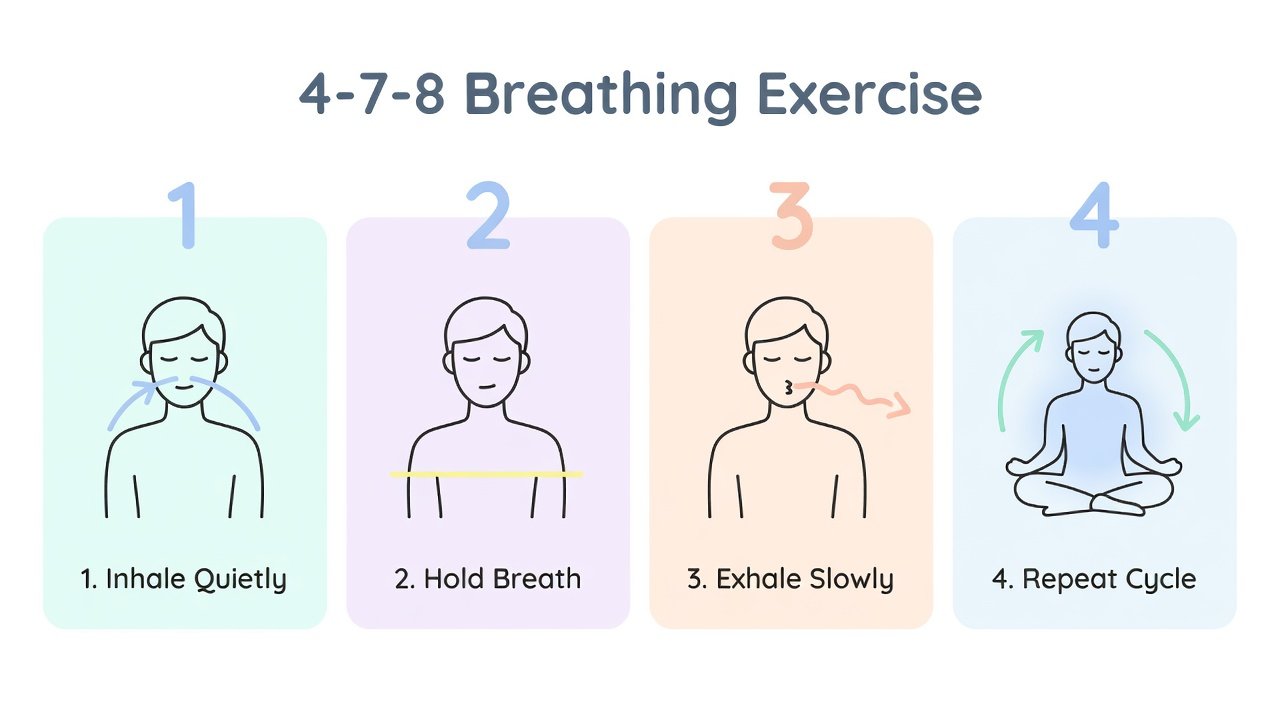
Controlled breathing offers an accessible way to downregulate the stress response. The 4-7-8 technique works by extending the exhale, which activates the parasympathetic nervous system. Begin by sitting or lying comfortably. Inhale through the nose for a count of four, hold for seven, then exhale slowly through the mouth for eight. Complete four full rounds while keeping attention on the breath rather than any performance worries.
A variation called box breathing suits those who prefer structure: inhale for four, hold for four, exhale for four, and hold again for four. Practice these methods during non-intimate moments first so they become automatic. Partners can even try synchronized breathing together to foster closeness without pressure.
Communication Tips to Strengthen Partner Connections
Honest dialogue reduces the isolation that anxiety thrives on. Schedule a calm, non-sexual conversation to share feelings using “I” statements. For instance, say “I sometimes feel pressure to perform perfectly and would like us to focus on enjoying each other’s presence instead.”
Establish ongoing check-ins during intimacy with simple questions such as “How does this feel for you right now?” or “Would you like to slow down or change positions?” Active listening involves repeating back what was heard to confirm understanding. Over time, these habits normalize vulnerability and decrease fear of judgment. Guidance from the Centers for Disease Control and Prevention emphasizes that strong communication supports healthier sexual experiences for everyone involved.
Comparing Anxiety Triggers vs. Healthy Expectations
Recognizing the difference between anxiety triggers and constructive mindsets helps reframe situations. Common triggers include past criticism, comparison to online content, or fear of disappointing a partner. These often lead to avoidance or hyper-focus on specific outcomes.
- Trigger: Believing every encounter must end in orgasm
- Healthy expectation: Prioritizing shared pleasure and emotional presence
- Trigger: Avoiding all conversation about desires
- Healthy expectation: Using gentle, regular check-ins to stay aligned
- Trigger: Measuring success by duration or frequency alone
- Healthy expectation: Valuing quality of connection over quantitative metrics
- Trigger: Internalizing unrealistic media standards
- Healthy expectation: Celebrating personal and relational uniqueness
Shifting perspective takes practice but yields noticeable reductions in anticipatory worry.
Simple Self-Assessment Checklist
Regular self-reflection supports progress tracking. Review these questions monthly and note any patterns:
- Do I experience physical tension or racing thoughts before intimacy?
- Am I holding onto specific myths about what “should” happen?
- Have I practiced breathing techniques outside of sexual contexts?
- Do I feel comfortable voicing preferences and boundaries?
- Am I measuring experiences against external comparisons rather than personal satisfaction?
- Have recent life stressors increased my baseline anxiety levels?
Low scores in certain areas highlight where to direct attention next.
Real-Life Examples and Practical Applications
Consider Sam, who began journaling specific triggers after noticing anxiety during weekend encounters. After identifying work-related rumination as a factor, Sam implemented a brief wind-down routine involving breathing and light stretching. Within three weeks, reports of reduced tension emerged.
Another example involves a couple named Morgan and Lee who introduced weekly non-sexual touch sessions. These focused solely on sensation without expectations, gradually rebuilding comfort and trust. A third case featured an individual who used short voice memos to practice self-compassion statements, replacing critical inner dialogue with neutral observations. Each story illustrates how small, consistent actions compound into meaningful change.
When Professional Support May Help
While self-help strategies prove effective for many, persistent anxiety that interferes with daily life or relationships benefits from professional input. Therapists specializing in sexual health can provide tailored cognitive techniques. Medical evaluation may also identify contributing factors such as hormonal shifts or medications. Early consultation prevents escalation and normalizes seeking help.
Frequently Asked Questions
Does performance anxiety indicate a deeper medical problem?
Occasional episodes are common and usually tied to psychological factors. Ongoing concerns warrant discussion with a healthcare provider to explore all possibilities.
How quickly can breathing exercises show results?
Many people notice calmer responses within one to two weeks of daily practice, though consistency matters more than speed.
Should I disclose my anxiety to a new partner immediately?
Timing depends on comfort level. Sharing early can build trust, but waiting until a foundation of safety exists is equally valid.
Can lifestyle factors like sleep or exercise influence anxiety levels?
Yes. Adequate rest and regular movement often lower overall stress reactivity, indirectly supporting sexual confidence.
Are there differences in how anxiety presents across genders?
Manifestations vary individually, yet societal expectations can shape specific worries; open discussion helps address these nuances.
Conclusion
Managing performance anxiety begins with accurate information and compassionate self-awareness. Integrating breathing practices, honest communication, and realistic expectations creates space for more fulfilling intimate experiences. By applying these 2026-focused strategies consistently and revisiting the self-assessment tools, readers can steadily replace anxiety with confidence and connection. Start with one technique today and build from there for lasting positive change.
No comments yet. Be the first!