 Spicy Trip
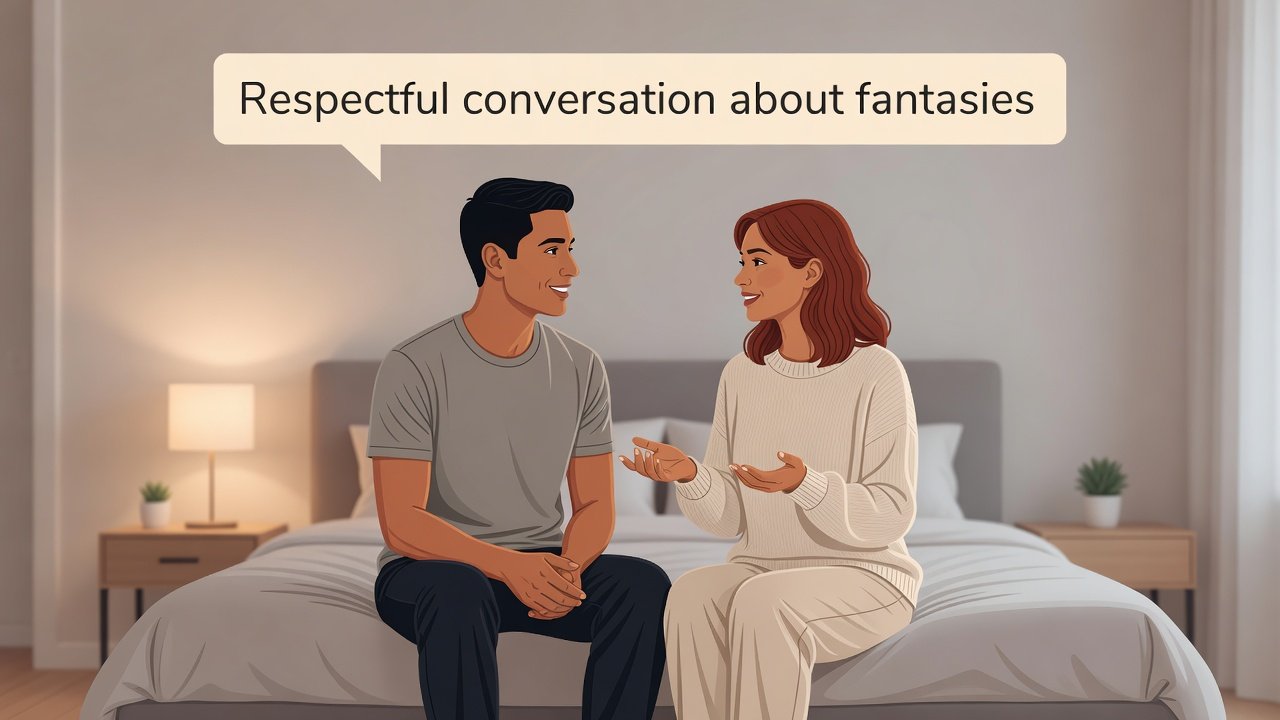
Introduction to Sexual Fantasies
Sexual fantasies form a natural and healthy part of human sexuality and sex education. They allow individuals to explore desires safely in the mind, often enhancing intimacy and personal satisfaction without stigma. This comprehensive beginner guide examines the connection between fantasies and sexual health, focusing on anatomy, physiological responses, and evidence-based insights from 2026 research. Readers seeking foundational knowledge will find practical steps, real-world examples, and clear guidance on consent and integration into solo or partnered experiences.
Many people experience fantasies daily, yet cultural taboos can create unnecessary shame. By understanding the science behind them, individuals can approach these thoughts with curiosity rather than judgment. This article goes beyond surface-level overviews to provide actionable advice that supports healthier intimate lives.
The Anatomy of Fantasy-Driven Arousal
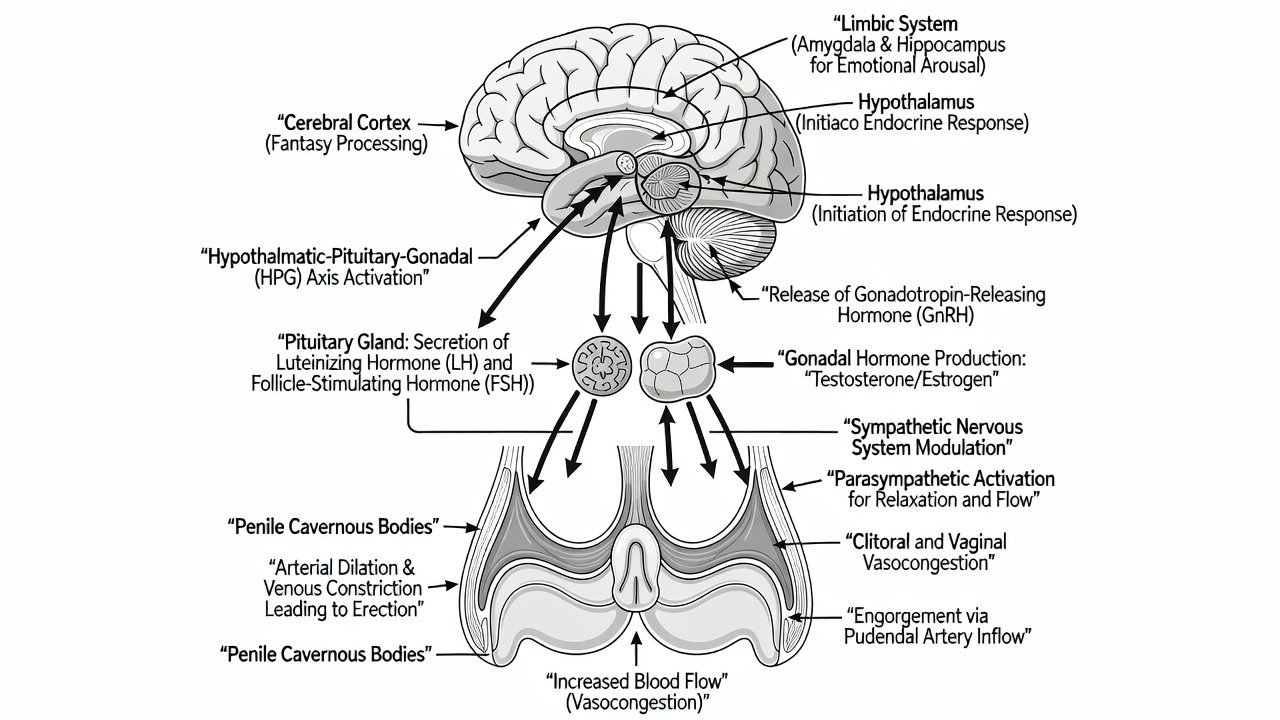
Fantasies engage multiple brain regions responsible for reward, memory, and emotion. The hypothalamus plays a central role by signaling the release of dopamine, which creates feelings of pleasure, and oxytocin, which fosters connection. These chemical changes occur even before physical touch, demonstrating how powerful mental imagery can be. Blood flow then increases to genital tissues, resulting in natural lubrication, erection, or heightened sensitivity.
Physiological studies show that fantasy-induced arousal activates similar pathways as direct stimulation. Heart rate rises, muscles tense, and breathing deepens in predictable patterns. For some, these responses feel more intense because the mind controls the narrative completely. Educational resources from the World Health Organization stress that mental aspects of sexuality deserve equal attention in comprehensive health programs.
Individual differences matter. Hormonal fluctuations, age, stress levels, and overall health all influence how strongly someone responds to a fantasy. Tracking personal patterns through simple journaling can reveal useful insights about what triggers the strongest reactions.
Debunking Prevalent Myths with 2026 Research
One persistent myth claims that having fantasies means a person is unhappy in their current relationship. Recent 2026 studies consistently show the opposite: frequent fantasizing often correlates with greater sexual satisfaction and openness. Another common misconception is that fantasies must eventually be acted out. In truth, many remain private mental exercises that provide fulfillment without real-world enactment.
Some worry fantasies indicate hidden deviance or psychological issues. Evidence demonstrates that a wide range of imaginative scenarios appears across the general population and rarely signals problems unless accompanied by distress or non-consensual behavior. A third myth suggests that sharing fantasies will damage relationships. When handled with care and consent, such conversations frequently strengthen trust and communication.
Finally, the idea that fantasies are only for certain genders or orientations has been thoroughly disproven. Research highlights nearly universal prevalence across demographics, making fantasies a shared human experience rather than a niche topic.
Common Types of Sexual Fantasies
Fantasies appear in several broad categories, though individuals often blend elements creatively. Power dynamics and role reversal allow exploration of control in safe mental spaces. Novelty or forbidden scenarios introduce excitement through imagined new settings or partners. Romantic themes emphasize emotional connection and tenderness, while group or voyeuristic ideas focus on observation and shared energy. Sensory-focused fantasies center on touch, scent, temperature, or environment.
- Power exchange scenarios with clear mental boundaries
- Adventure or travel-inspired encounters
- Reenactment of past positive experiences with new twists
- Multi-sensory scenes involving music, lighting, or fabrics
Recognizing these patterns helps people understand their preferences without judgment.
Healthy Versus Unhealthy Fantasy Patterns
Healthy patterns support self-awareness and enhance relationships when shared appropriately. For example, a couple might discuss a light role-play idea during a relaxed evening walk, then decide together whether to try it. This approach builds intimacy through communication.
Unhealthy patterns emerge when fantasies become obsessive, interfere with work or daily responsibilities, or involve non-consensual themes that cause personal distress. Consider the difference between privately imagining a celebrity encounter versus repeatedly fixating on a real acquaintance without their knowledge. The latter may benefit from professional guidance such as therapy to redirect thoughts constructively.
Real-world examples illustrate the distinction clearly. A person who uses fantasies to reduce stress before sleep demonstrates a healthy coping tool. In contrast, someone who avoids all real intimacy because fantasies feel safer may need support exploring underlying fears.
Safe Exploration Steps
Begin with private reflection. Set aside ten minutes daily to note fantasies without analyzing them. Next, consult reliable sources for context and normalization. Start solo by incorporating visualization during masturbation to observe physical responses. When ready to involve a partner, choose a low-pressure setting and use “I” statements such as “I’ve been curious about…” Establish clear boundaries and safewords from the start. Schedule follow-up conversations to adjust comfort levels over time.
- Journal privately for one week to identify recurring themes
- Read evidence-based materials from recognized health organizations
- Experiment alone using guided audio or written prompts
- Introduce ideas gradually with a trusted partner
- Review experiences together and refine agreements
Consent Considerations
Consent forms the foundation of any healthy exploration. Discuss fantasies explicitly before introducing them into shared activities. Confirm ongoing willingness at each stage and respect the right to withdraw at any moment. Resources from Planned Parenthood offer practical scripts and worksheets for these conversations. Additional guidance appears on the Centers for Disease Control and Prevention sexual health pages, which emphasize mutual respect and clear communication.
Practical Techniques for Solo and Partnered Experiences
For solo experiences, create a comfortable environment with dim lighting and minimal distractions. Use progressive visualization: start with a familiar scene, then layer in new sensory details. Audio erotica or carefully chosen playlists can deepen immersion.
In partnered settings, begin with descriptive sharing outside the bedroom. Once both parties feel secure, experiment with light props or clothing changes that align with the fantasy. After any session, practice aftercare through cuddling, verbal reassurance, or simple check-ins about emotions. These techniques reduce anxiety and increase enjoyment for everyone involved.
FAQ
Is it normal to have frequent fantasies? Yes, large-scale surveys indicate that the majority of adults report regular fantasizing without negative effects.
Can fantasies harm a relationship? They become problematic only when kept secret or pursued without consent; open dialogue typically improves connection.
How should someone handle unwanted fantasies? Mindfulness exercises and professional counseling help redirect focus toward more positive mental imagery.
Do fantasies always reflect real desires? Not necessarily. Many serve as pure imaginative play without any wish for real-world translation.
Are there age-related changes in fantasy patterns? Preferences can evolve across life stages due to hormonal shifts and accumulated experiences, yet fantasies remain common at every age.
Conclusion
Sexual fantasies represent a valuable dimension of sex education when examined through the lenses of anatomy, current research, and consent. By applying the practical steps and examples outlined above, readers can integrate these insights into more fulfilling and stigma-free intimate lives throughout 2026 and beyond.

No comments yet. Be the first!