 Spicy Trip

Introduction to Adult Sex Education in 2026
Embarking on a journey of adult sex education can transform personal confidence and intimate experiences. In 2026, more adults are seeking accessible, non-clinical resources to understand their bodies and relationships better. This guide provides practical foundations covering anatomy, techniques, and myth debunking, all tailored for beginners ready to apply knowledge daily. Whether you are exploring solo or with a partner, starting with basics builds a strong base. Many people find that structured learning reduces anxiety and enhances satisfaction over time. The landscape of sexual wellness has evolved with greater emphasis on inclusivity, consent, and evidence-based information that respects diverse identities and experiences.
Education in this area goes beyond school biology lessons. It addresses real-life questions about pleasure, health, and communication that adults often face but rarely discuss openly. By investing time now, you set the stage for healthier habits that last years. This article breaks down complex topics into manageable steps with real examples to guide your progress.
Understanding Introductory Anatomy Concepts
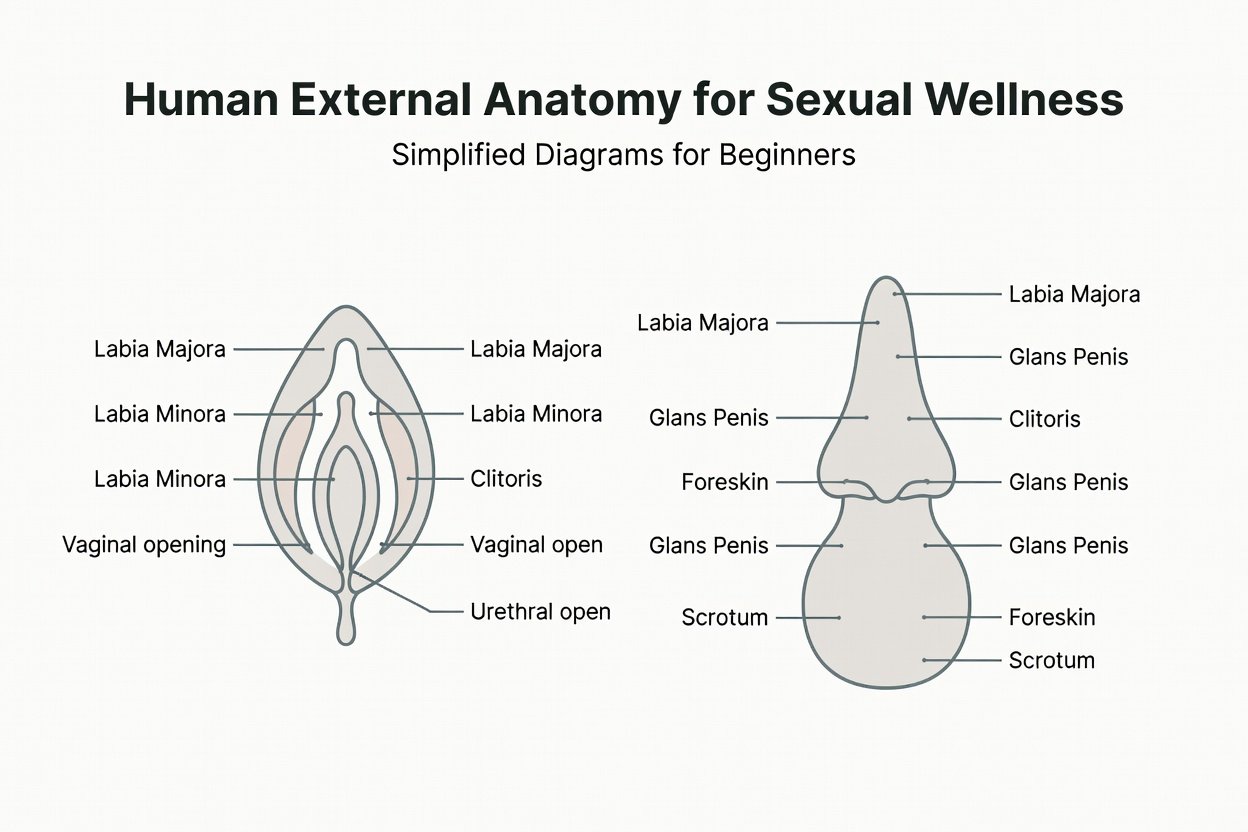
Basic anatomy knowledge empowers informed choices. For those with vulvas, key areas include the clitoris, which contains over 8,000 nerve endings, and the vagina, which self-lubricates during arousal. For penises, understanding the glans and foreskin sensitivity helps with comfortable stimulation. External genitals vary widely in shape and size, and recognizing this diversity promotes body positivity. Internal structures like the prostate in people with penises offer additional pleasure points when approached gently.
Learning these concepts through diagrams or trusted visuals can make abstract ideas concrete. Focus first on your own body before expanding outward. Consider how hormones, age, and health conditions influence anatomy and response patterns. For instance, menopause or certain medications may alter lubrication or sensitivity, requiring adjusted approaches. Self-examination in a relaxed setting helps map personal landmarks without pressure. Educational resources often highlight that no two bodies are identical, encouraging curiosity rather than comparison. This foundation reduces shame and increases comfort during intimate moments.
Simple Sex Techniques for Beginners
Start with communication and consent as foundations. Simple techniques include mindful touch, where partners explore sensations without goals. Experiment with different pressures and speeds during manual stimulation. Breathing exercises synced with movement can heighten awareness. For penetrative activities, using ample lubrication and starting slow prevents discomfort. Positions like spooning allow control and eye contact for emotional connection.
Practice solo first to discover preferences. Real-world examples show that couples who schedule short exploration sessions weekly report higher satisfaction after one month. Begin by setting aside 15 minutes in a comfortable space free from distractions. Use mirrors or journals to note what feels good. Gradually introduce toys or props if desired, always prioritizing hygiene and safety. Another effective method involves edging, where arousal is built and paused to extend pleasure and learn control. Always check in verbally during partnered activities to ensure mutual enjoyment. These approaches emphasize process over performance, making them ideal for newcomers.
Debunking Common Sexual Myths
Myths persist despite evidence. One common falsehood claims everyone experiences orgasm the same way; in reality, responses differ greatly. Another suggests sex must follow a script, yet flexibility often leads to better outcomes. The idea that desire is constant ignores natural fluctuations influenced by stress or health. Addressing these through reliable sources helps replace misinformation with facts.
- Myth: Size determines pleasure – Reality: Technique and connection matter more, as many surveys confirm emotional intimacy ranks higher for long-term satisfaction.
- Myth: Lubrication indicates full arousal – Reality: Many factors affect natural responses, including hydration, medications, and cycle phase.
- Myth: Experience equals expertise – Reality: Ongoing learning benefits everyone regardless of past encounters.
- Myth: Only penetrative sex counts – Reality: Many fulfilling encounters focus on other forms of intimacy like kissing or manual stimulation.
- Myth: Talking during sex ruins the moment – Reality: Clear communication often enhances connection and prevents misunderstandings.
Practical Steps for Daily Application
Incorporate education into routines with small actions. Read one chapter from a reputable book each evening. Journal personal reflections to track growth. Discuss boundaries openly with partners during non-intimate times. Try a five-minute body scan meditation daily to increase awareness. Compare progress monthly by noting comfort levels in new situations. These steps create sustainable habits without overwhelm.
Create a weekly schedule that includes reading, reflection, and gentle physical exploration. For example, Monday could focus on anatomy review, Wednesday on technique practice, and Friday on open conversation with a partner. Track changes in a private notebook, noting any shifts in confidence or pleasure. Over time, these micro-habits compound into significant personal growth. Remember to celebrate small wins, such as feeling more at ease discussing desires.
Comparing Learning Methods
Books offer depth but lack interactivity. Online courses provide structure and community. Workshops deliver hands-on practice in safe settings. Apps with guided audio can fit busy schedules. Each method suits different personalities. Beginners often benefit from combining reading with reflective journaling for best retention. In-person classes allow immediate questions, while digital options provide privacy and flexibility. Evaluate your learning style by trying short samples of each before committing. Some adults prefer visual aids like videos, while others thrive with written step-by-step guides. Mixing methods prevents boredom and reinforces concepts through repetition in varied formats.
Real-World Examples for Beginners
Consider Alex, who started by mapping personal erogenous zones alone before sharing findings with a partner. This led to more satisfying encounters within weeks. Jordan used educational podcasts during commutes and applied insights gradually, reducing performance pressure significantly. Taylor attended a local workshop series and practiced consent exercises at home, which strengthened their relationship communication. Sam began with simple breathing techniques during solo sessions and later integrated them into partnered activities, noticing improved relaxation and presence. These stories illustrate that consistent, low-pressure practice yields results across different lifestyles and starting points.
FAQ: Top Beginner Questions
How do I start conversations about sex education with a partner?
Begin with neutral topics like shared goals for intimacy, then move to specific curiosities. Use "I" statements to keep discussions positive and focused on mutual growth rather than criticism.
What resources are best for ongoing learning?
Reputable organizations like Planned Parenthood and the World Health Organization provide updated guides. The CDC also offers evidence-based sexual health information suitable for adults at any stage.
How long until I feel more confident?
Many notice shifts within four to six weeks of regular practice, though timelines vary based on prior knowledge and personal pace.
Is it normal to feel awkward at first?
Yes, initial discomfort is common and usually fades with repeated exposure to accurate information and gentle practice.
Should I involve a professional educator?
Certified sex educators or therapists can accelerate progress if self-study feels insufficient, especially for addressing specific concerns.
Conclusion
Adult sex education in 2026 opens doors to greater fulfillment. By mastering basics in anatomy, techniques, and myth correction, you lay groundwork for lifelong growth. Apply these insights daily and revisit resources as needed for continued development. Consistent effort leads to improved self-awareness and more rewarding intimate connections.

No comments yet. Be the first!