 Spicy Trip
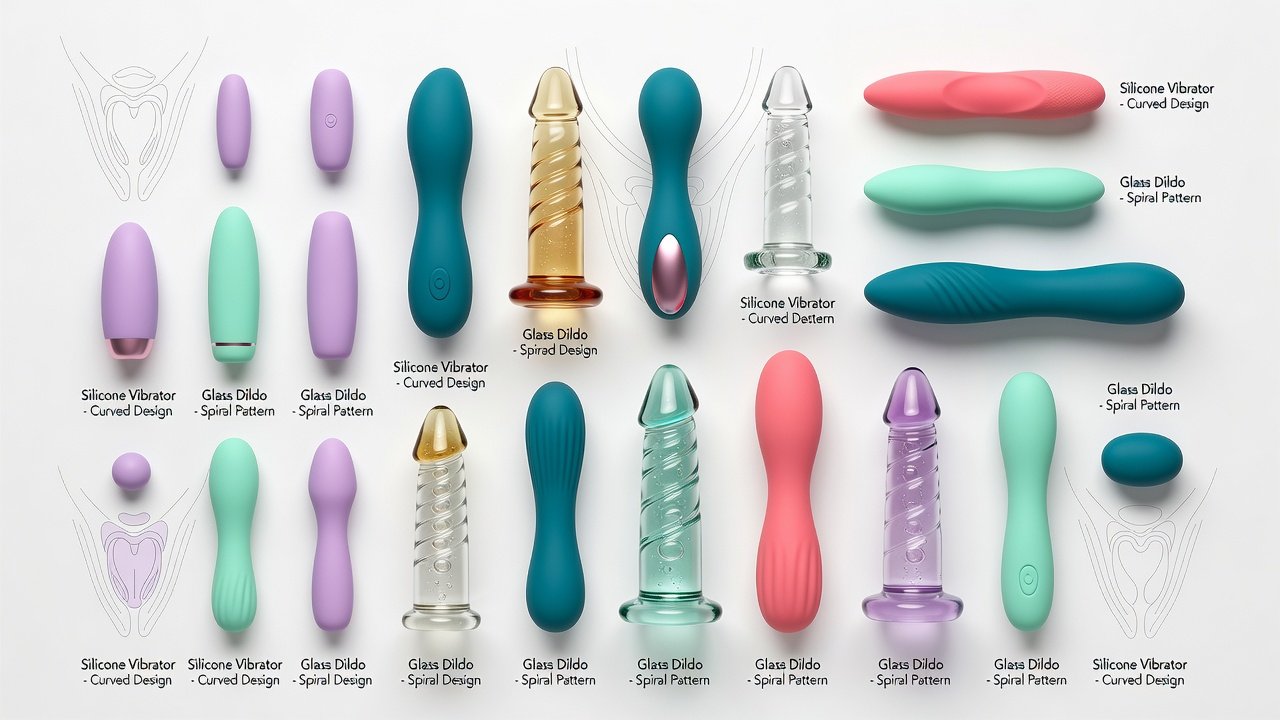
Safe Sex Toys 2026: Anatomy, Techniques & Myths Debunked
Sex toys have become a mainstream part of modern intimacy, offering ways to explore pleasure while building on foundational knowledge of the human body. This guide connects basic anatomy with practical, safe usage techniques for beginners, emphasizing material safety, consent, and evidence-based sexual health practices. Whether you are new to toys or looking to deepen your understanding, focusing on safety ensures enjoyable experiences without unnecessary risks.
Understanding Basic Anatomy for Toy Use
Effective and safe toy selection starts with anatomy. The clitoris contains over 8,000 nerve endings and extends internally, while the vagina has natural lubrication and self-cleaning properties. The prostate, often called the P-spot in people with penises, sits about two inches inside the rectum. Knowing these structures helps users choose toys that stimulate without causing irritation or injury. External anatomy like the vulva requires gentler pressure, whereas internal areas benefit from gradual insertion with ample lubrication. Always prioritize water-based lubes with silicone toys to avoid material breakdown. Understanding erogenous zones such as the nipples, perineum, and inner thighs further enhances toy application. For instance, curved toys can target the G-spot located along the front vaginal wall, typically two to three inches inside. Beginners should spend time mapping their own or their partner's body through touch before introducing devices. This knowledge prevents misuse and promotes longer-lasting pleasure.
Material Safety and Body-Compatible Designs
Not all toys are created equal. Body-safe materials include medical-grade silicone, borosilicate glass, and stainless steel. Avoid porous materials like jelly rubber or PVC that can harbor bacteria. Look for toys labeled non-porous and phthalate-free. Reputable manufacturers test for safety standards. When shopping, check for certifications or independent lab results. A simple comparison helps beginners decide on the best options for their needs.
| Type | Material | Best For | Care |
|---|---|---|---|
| Vibrators | Medical silicone | Clitoral stimulation | Wash with mild soap, air dry |
| Dildos | Glass or steel | G-spot or P-spot | Boil-safe for sterilization |
| Anal plugs | Silicone with flared base | Beginner anal play | Use plenty of lube, never share |
| Rabbits | Body-safe silicone | Dual stimulation | Separate cleaning of shafts |
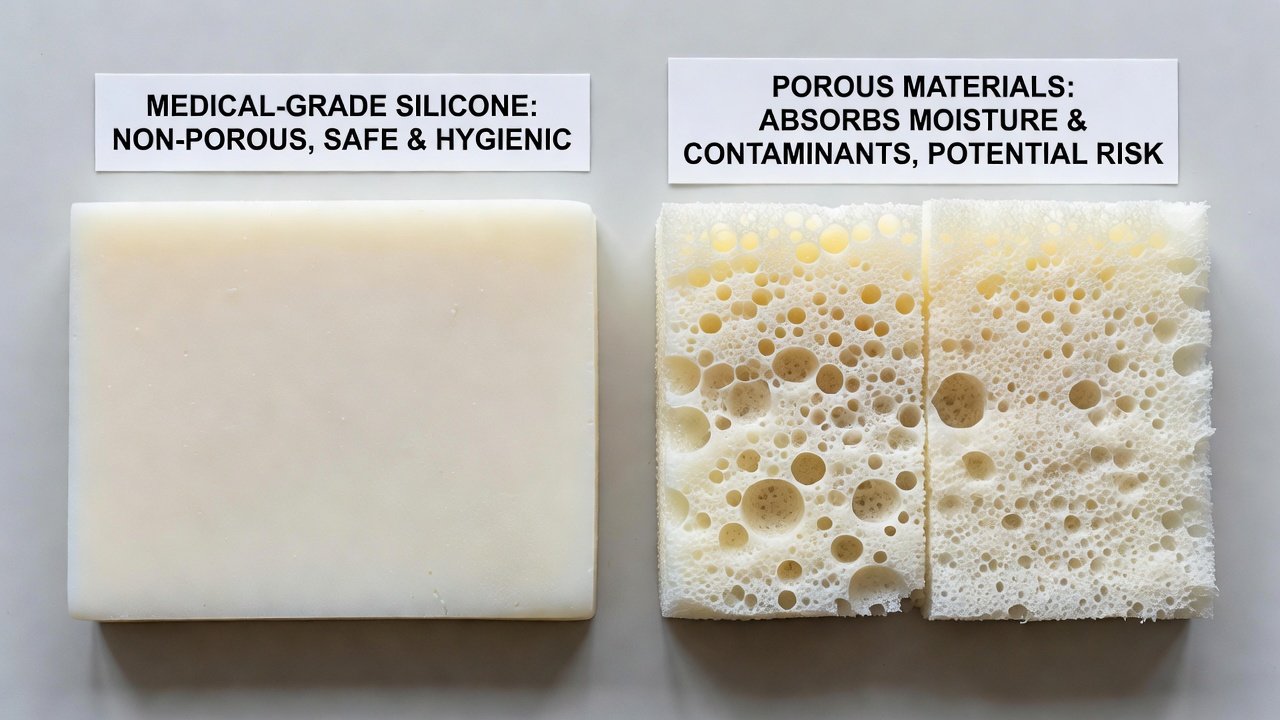
Additional considerations include checking for smooth finishes without seams that could irritate tissue. Glass and metal toys conduct temperature well, allowing for temperature play when warmed or cooled safely. Silicone remains the most versatile for beginners due to its flexibility and ease of cleaning. Always inspect toys before each use for tears or degradation.
Step-by-Step Techniques for Different Experience Levels
Beginners should start externally. Apply a small amount of lube to the toy and explore sensation on the clitoris or nipples first. Progress to internal use only after comfort is established, using slow, shallow movements. Warm up with foreplay or manual stimulation to increase natural arousal. A practical example involves using a small bullet vibrator on the vulva for five to ten minutes while focusing on breathing and relaxation before any penetration attempt.
Beginner Level Techniques
Choose a single-speed or simple vibrator. Spend at least fifteen minutes on external exploration. Use a mirror to observe anatomy if helpful. Stop immediately if discomfort arises.
Intermediate Level Techniques
Intermediate users can try dual-stimulation toys or remote-controlled options during partnered play. Experiment with different angles and pressures. Incorporate breath control or edging by pausing stimulation near climax to build intensity. Always communicate boundaries beforehand.
Advanced Level Techniques
For advanced users, combining toys with edging techniques can intensify pleasure, but monitor for overstimulation. Try temperature play with glass toys or layered sensations using multiple devices. Maintain hydration and take breaks as needed.
Debunking Common Myths
Myth 1: Toys desensitize you permanently. Reality: Any temporary numbness fades quickly; regular use often increases body awareness and sensitivity over time. Myth 2: Only people without partners need toys. Reality: Many couples incorporate toys to enhance connection and explore new sensations together, strengthening intimacy. Myth 3: All toys are unsafe or unsanitary. Reality: Proper cleaning and body-safe materials make them hygienic when used correctly. Myth 4: Toys replace human touch entirely. Reality: Toys complement partnered experiences and can be used collaboratively. Myth 5: Larger toys are always better. Reality: Size should match comfort level; smaller toys often provide precise stimulation without overwhelming nerves.
Consent, Communication, and Sexual Health Best Practices
Consent remains central. Discuss toy use openly with partners and establish safe words. Clean toys before and after every session with toy cleaner or mild soap. Store separately to prevent cross-contamination. For the latest guidance on sexual health, refer to resources from the World Health Organization and the Centers for Disease Control and Prevention. Additional support comes from Planned Parenthood. Create a personal safety checklist: inspect for damage, use fresh lube each time, wash hands before handling, and replace toys showing wear after six to twelve months of regular use.
Practical Examples and Maintenance Tips
Consider a couple using a remote vibrator during a date night: one partner controls intensity while maintaining verbal check-ins. Solo users might schedule dedicated self-care sessions lasting thirty minutes, combining visualization with gradual toy introduction. Maintenance involves drying toys thoroughly before storage in breathable pouches. Avoid sharing toys without barriers like condoms. These steps reduce infection risks and extend product lifespan.
Short FAQ for Beginners
- How do I choose my first toy? Start with a small, body-safe silicone vibrator focused on external stimulation and read user reviews for comfort feedback.
- Is it normal to feel nervous? Yes, many beginners feel anxious at first—take it slow, start alone, and prioritize comfort over performance.
- Can I use toys during menstruation? Absolutely, with proper hygiene and water-based lube; many find relief from cramps through gentle stimulation.
- What if a toy gets stuck? Stay calm, use more lube, and relax muscles; seek medical help if needed rather than forcing removal.
- How often should toys be replaced? Inspect regularly and replace when material shows signs of wear, typically after one year of consistent use.
By combining anatomical knowledge with safe techniques, users can enjoy sex toys confidently while supporting overall sexual wellness. Regular self-checks and open dialogue keep experiences positive and risk-free for years to come.

No comments yet. Be the first!