 Spicy Trip

Introduction to Sexual Desire
Sexual desire, commonly referred to as libido, represents a multifaceted aspect of human experience shaped by biological, psychological, emotional, and relational elements. For beginners exploring sex education, gaining clarity on this topic supports informed decisions and positive wellness outcomes. In 2026, reliable information remains essential as individuals seek to understand fluctuations in attraction and drive without relying on outdated stereotypes or misinformation.
Desire is not a static trait but a dynamic process influenced by daily life, health status, and personal history. Readers often arrive at this topic looking for myth-free explanations that address real concerns such as why interest varies or how anatomy contributes to these feelings. This guide draws on current physiological understanding to provide depth while offering actionable steps for self-awareness and improvement.
Anatomy and Physiology of Sexual Desire
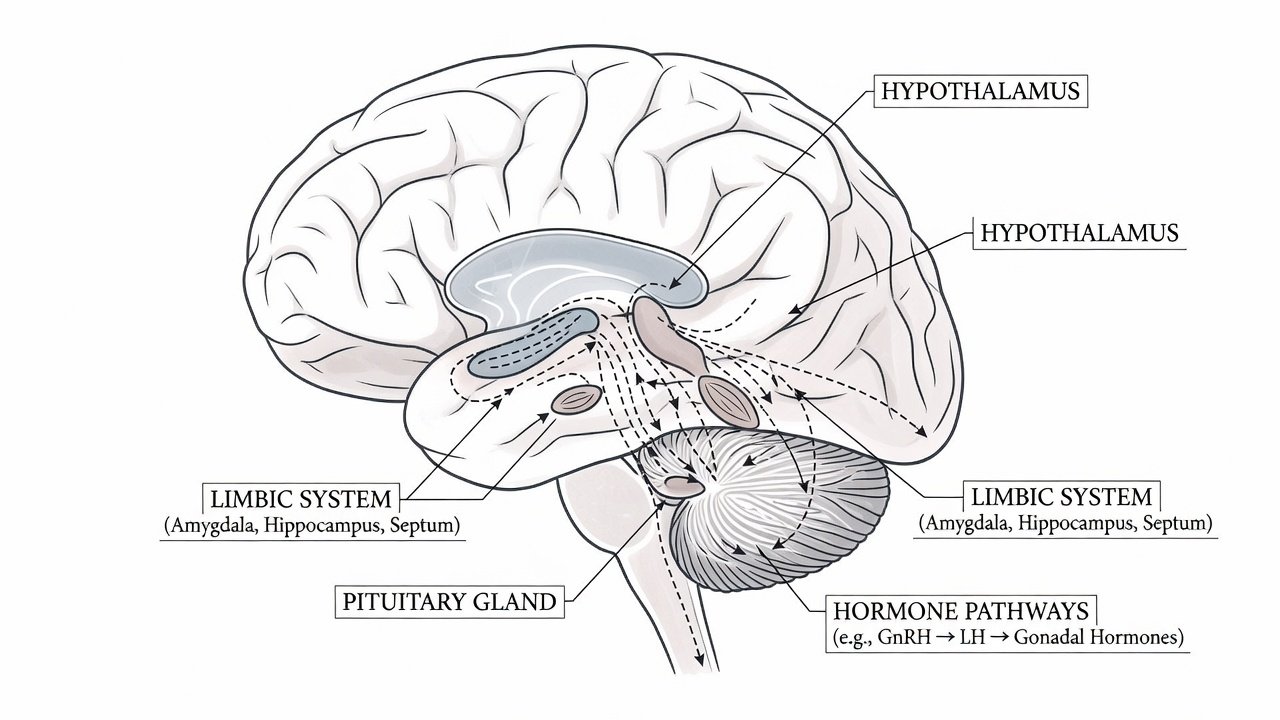
The foundation of sexual desire lies in the intricate connections between the brain, endocrine system, and peripheral nervous system. The hypothalamus serves as a key control center, integrating signals from hormones and sensory inputs to generate feelings of motivation toward intimacy. Adjacent structures in the limbic system, including the amygdala and hippocampus, process emotional context and memory, which can either amplify or dampen desire depending on past experiences and current mood.
Hormones act as primary messengers. Testosterone supports drive across genders, while estrogen and progesterone create cyclical patterns that many individuals notice monthly. Beyond these, thyroid hormones regulate overall energy, and cortisol from the adrenal glands can suppress interest when stress remains elevated. Blood flow and nerve pathways in genital tissues also contribute, meaning cardiovascular health directly affects physical responsiveness.
Additional Physiological Factors
Neurotransmitters such as dopamine create anticipation and reward sensations, whereas serotonin and oxytocin influence satisfaction and bonding. Age-related changes, medications, and chronic conditions like diabetes or thyroid disorders frequently alter these pathways. Understanding these mechanisms helps explain why desire rarely follows a predictable linear pattern and why personalized approaches yield better results than generic advice.
Debunking Prevalent Sexual Myths
Numerous myths continue to circulate despite accumulating evidence. One persistent belief holds that desire must always appear spontaneously; studies demonstrate that responsive desire, triggered by context, touch, or emotional connection, is equally valid and common. Another misconception suggests desire inevitably declines after a certain age, yet many people maintain satisfying intimate lives well into later decades when supported by healthy habits.
A third myth equates low desire exclusively with relationship dissatisfaction. In practice, medical factors, sleep quality, nutrition, and medication side effects often play larger roles. The World Health Organization underscores that sexual health encompasses physical, emotional, and social well-being throughout the lifespan. Dispelling these myths allows individuals to approach their experiences with greater self-compassion and seek appropriate support when needed.
Practical Steps for Tracking Personal Patterns
Systematic tracking builds valuable self-knowledge. Begin by maintaining a simple daily log that records sleep duration, stress levels, physical activity, mood, nutrition highlights, and any moments of spontaneous or responsive interest. Over a minimum of three weeks, patterns typically emerge, revealing correlations such as reduced drive during periods of poor sleep or heightened interest following exercise.
Digital wellness apps can streamline this process with reminders and visual charts. Review entries weekly to identify triggers and protective factors. When comfortable, discuss findings with a partner or healthcare provider to refine strategies. This methodical approach transforms vague feelings into concrete data that supports better decisions.
Comparisons of Desire Variations Across Individuals
Desire manifests differently across populations. Some individuals report high spontaneous interest throughout the day, while others experience primarily responsive patterns activated by intimacy cues. Research consistently shows substantial overlap between genders once health and relationship variables are accounted for, challenging outdated stereotypes about male versus female drive.
Cultural background, relationship length, and life stage further influence expression. For instance, new parents often notice temporary shifts due to fatigue and hormonal changes, whereas long-term couples may benefit from intentional novelty to sustain interest. These variations are normal and do not indicate deficiency when they align with personal satisfaction levels.
Real-Life Examples
Take the case of a 35-year-old professional who observed desire dips tied to work deadlines. Implementing consistent evening wind-down routines and brief daily walks restored equilibrium within weeks. Another example involves a couple who used weekly check-ins to align differing desire styles, incorporating more non-sexual affection that gradually increased overall intimacy satisfaction.
Daily Habits That Support Sexual Health
Consistent lifestyle choices create a strong foundation. Prioritize seven to nine hours of restorative sleep, as sleep deprivation directly impairs hormone regulation. Incorporate regular moderate exercise such as brisk walking, swimming, or yoga to enhance circulation and mood. Practice stress management through mindfulness meditation or breathing techniques to lower cortisol impact.
Nutrition plays a supporting role; emphasize foods rich in zinc, omega-3 fatty acids, and antioxidants. Foster emotional connection through regular non-sexual touch and open conversations. These habits compound over time, improving both general vitality and sexual wellness. Guidance from institutions such as the Mayo Clinic reinforces the value of integrated lifestyle approaches.
Common Mistakes to Avoid
Many beginners fall into comparison traps, measuring their experiences against media portrayals or peer anecdotes. Avoid self-diagnosis based solely on online forums; professional evaluation provides context-specific insights. Another frequent error involves neglecting communication with partners, which can amplify perceived discrepancies. Finally, dismissing gradual changes as insignificant may delay helpful interventions when underlying health factors are involved.
FAQ Section
What constitutes normal sexual desire?
Normal encompasses a wide range; the key metric is personal satisfaction and absence of distress rather than matching external benchmarks.
Can certain medications reduce desire?
Yes, antidepressants, antihypertensives, and hormonal contraceptives sometimes lower libido. Physicians can discuss alternatives or adjunct strategies.
How does chronic stress affect attraction?
Elevated cortisol disrupts hormone balance and diverts mental resources, often diminishing interest. Relaxation practices frequently help restore responsiveness.
Is professional support advisable for persistent low desire?
When changes cause concern or relationship strain, consulting a sex-positive therapist or physician offers tailored assessment and options.
Do hormonal fluctuations impact everyone equally?
Individual sensitivity varies; tracking personal cycles provides clearer insight than generalized predictions.
Can lifestyle changes alone improve desire?
Many people experience meaningful gains through sleep optimization, exercise, and stress reduction, though underlying medical issues may require additional intervention.
Conclusion
Comprehending sexual desire requires integrating anatomical knowledge, challenging myths with evidence, and implementing sustainable daily practices. Through consistent tracking and recognition of individual differences, readers develop greater agency over their sexual wellness. This educational foundation encourages positive, informed approaches that enhance both personal fulfillment and relational health.

No comments yet. Be the first!