 Spicy Trip

Why Routine Sexual Health Screenings Matter in 2026
Sexual health forms a cornerstone of overall physical and emotional well-being, yet many newcomers to adult life overlook routine screenings due to stigma or uncertainty. These checkups detect asymptomatic infections early, reduce community transmission rates, and provide peace of mind that supports confident intimate relationships. Public health data consistently shows that proactive testing leads to earlier treatment and better long-term outcomes for reproductive health. Screenings also create opportunities for personalized education on contraception, consent, and prevention strategies tailored to individual lifestyles.
Beyond individual benefits, regular testing contributes to broader public health goals by identifying trends in infection rates and informing targeted education campaigns. For anyone entering new relationships or exploring their sexuality, incorporating screenings into an annual wellness routine normalizes the process and removes unnecessary fear.
Debunking Common Myths About Testing Frequency and Procedures
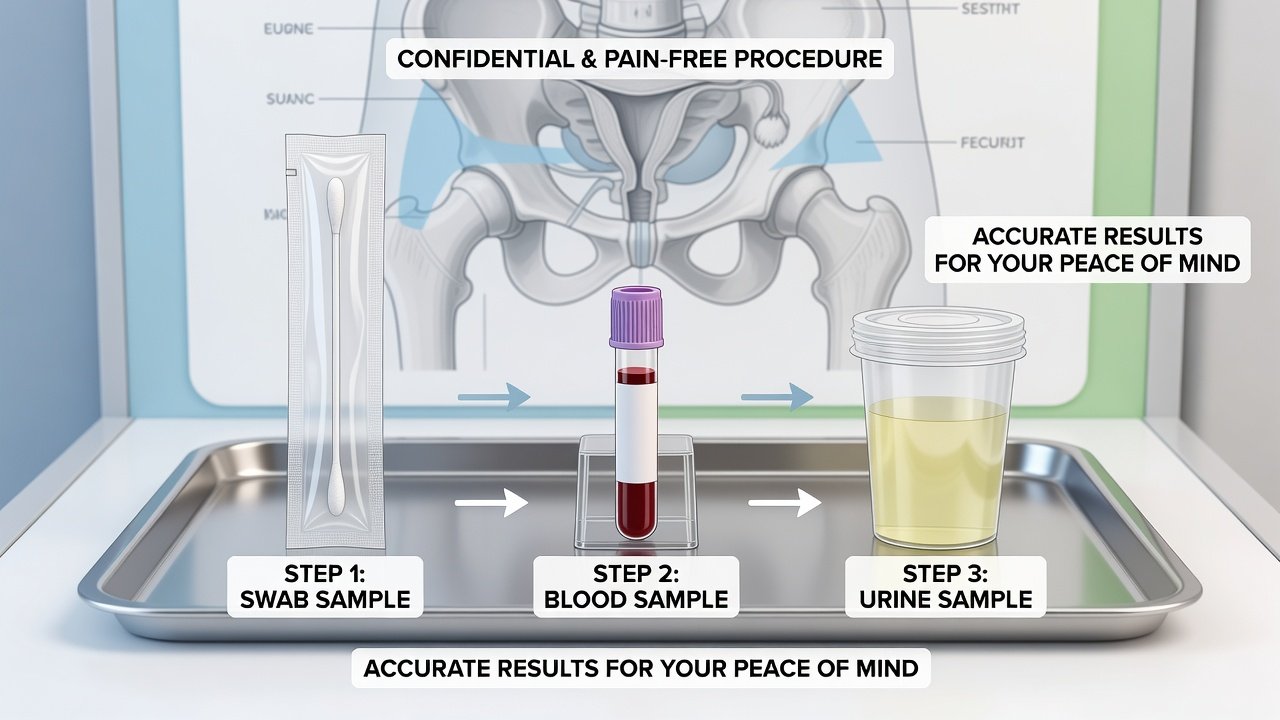
Several misconceptions persist around sexual health screenings. One widespread myth claims only individuals with multiple partners require testing, yet even those in committed relationships can benefit because prior exposures may remain undetected. Another false belief suggests that all screenings involve painful procedures; in practice, most involve quick urine samples, finger-prick blood tests, or gentle swabs that cause little to no discomfort for the majority of patients.
Frequency myths often lead to confusion, with some assuming biannual testing suffices for everyone. Guidelines recommend annual testing for sexually active adults under 25 or those with new partners, though higher-risk situations may call for more frequent visits. Providers emphasize that testing windows vary by infection, so timing discussions with a clinician ensures accuracy rather than guessing based on internet anecdotes.
Additional myths include the idea that screenings invade privacy or require full disclosure of every partner. Clinics maintain strict confidentiality under healthcare regulations, and only relevant history is needed to guide appropriate tests.
Basic Anatomy Awareness During Exams
Understanding basic anatomy helps patients feel more in control during screenings. For individuals with vulvas, exams may examine the external labia, vaginal canal, and cervix through speculum use when necessary. For those with penises, checks focus on the glans, shaft, scrotum, and urethral opening. Providers also assess surrounding areas like the anus or throat if oral or anal contact is reported in the sexual history.
Transgender and nonbinary patients receive care adapted to their anatomy and hormone use. Clear communication with the provider about comfort levels and preferred language reduces anxiety and improves exam accuracy. Simple diagrams or models in clinics often illustrate these areas to make the process educational rather than intimidating.
Preparing for Your First Screening
Preparation starts weeks in advance by selecting a provider experienced in sexual health, such as a family doctor, gynecologist, urologist, or community clinic. Compile a brief medical history including symptoms, past infections, contraception use, and number of recent partners. Avoid sexual activity, douching, or certain medications 24 to 48 hours beforehand if instructed, as these can interfere with sample quality.
Create a list of questions such as: Which infections are being tested? How long until results return? What do positive results mean for treatment and partner notification? Bring identification, insurance details if applicable, and a notebook for notes. Many patients find arriving early and practicing relaxation techniques helpful for managing nerves.
What to Expect: Step-by-Step During the Appointment
- Intake forms and private conversation covering sexual history, symptoms, and concerns with the clinician.
- Physical examination customized to reported activities and anatomy, always with explicit consent at each stage.
- Sample collection through urine, blood draw, throat swab, rectal swab, or genital swab depending on exposure risks.
- Immediate discussion of preliminary findings, result timelines, and any recommended precautions such as abstinence until results arrive.
- Scheduling of follow-up if needed and provision of educational materials on prevention.
The full visit usually lasts 20 to 40 minutes. Staff remain available for questions afterward and can connect patients with counseling if results cause emotional distress.
Comparing Different Screening Types with Practical Examples
Screening panels vary widely. A basic STI panel often includes chlamydia and gonorrhea via urine or swab, HIV via blood or oral fluid, and syphilis via blood test. More comprehensive options add herpes, HPV, trichomoniasis, and hepatitis screening when risk factors warrant. For example, a college student starting a new relationship might choose the basic panel plus HIV testing for reassurance. Someone with a history of cervical abnormalities could add an HPV co-test during a pelvic exam.
Window periods differ: chlamydia and gonorrhea tests become reliable within one to two weeks, while HIV antibody tests require three to twelve weeks depending on the assay. Providers review these timelines with patients to avoid false negatives and schedule retesting appropriately.
How Results Connect to Safe Sex Techniques
Negative results reinforce the value of ongoing barrier methods like condoms, dental dams, and gloves during various activities. Positive results prompt treatment plans and open conversations with partners about status, testing history, and shared prevention strategies. Role-playing these discussions beforehand helps build confidence. Many clinics supply free or low-cost resources on PrEP, PEP, and vaccination options that complement screening outcomes.
Common Mistakes to Avoid
- Skipping screenings due to embarrassment or assuming “I would know if something was wrong.”
- Ignoring window periods and assuming one test covers all recent exposures.
- Failing to follow up on abnormal results or share information with partners when advised.
- Using home remedies or unverified online advice instead of professional care.
Frequently Asked Questions
How often should I get screened?
Annual testing suits most sexually active adults, with more frequent checks recommended after new partners or potential exposures.
Are results confidential?
Yes, strict privacy laws protect all information shared during screenings.
What if results are positive?
Most infections are treatable with medication, and clinics guide patients through treatment, partner notification, and future prevention planning.
Can I bring a friend or partner?
Support persons are welcome in waiting areas and during discussions, though the exam itself remains private unless you request otherwise.
Do screenings cover everything?
No single test covers all possibilities; providers select tests based on your history and risk profile.
Conclusion
Sexual health screenings empower individuals with knowledge and early intervention options. By addressing myths, understanding procedures, and linking results to safer practices, newcomers can approach these appointments confidently. Consistent testing combined with open communication and protective techniques supports healthier relationships. For further guidance, consult resources from the World Health Organization and Centers for Disease Control and Prevention.

No comments yet. Be the first!