 Spicy Trip

Introduction: Navigating Sex Education in the Digital Age
With abundant online information on sex education, beginners often struggle to separate facts from fiction. Misinformation spreads rapidly, leading to confusion about sexual health, anatomy, consent, and wellness. This 2026 beginner guide focuses on verifying sources using target keywords like sex education and sexual myths. It provides practical tools to evaluate content, compare platforms, and stay updated on standards. Reliable sex education empowers informed decisions. According to the World Health Organization, comprehensive education reduces risks of STIs and unintended pregnancies. Beginners should prioritize evidence-based materials over anecdotal advice. The digital landscape in 2026 includes social media threads, video tutorials, and forum discussions, making verification skills essential for personal safety and confidence.
Why Reliable Sources Matter for Sexual Wellness
Trustworthy resources help dispel common sexual myths that can harm relationships or health. For instance, the myth that certain positions guarantee pregnancy prevention persists despite evidence. Using credible sites ensures accuracy on topics like anatomy guides and safe techniques. Misinformation can lead to anxiety, unsafe practices, or strained communication with partners. In contrast, verified information supports emotional well-being alongside physical health. Beginners benefit from understanding that sexual wellness encompasses consent, pleasure, and ongoing education rather than one-time learning.
Step-by-Step Methods for Evaluating Sex Education Sources
Applying a structured approach prevents overwhelm. Begin by verifying the author's expertise through credentials such as medical degrees or certifications from recognized bodies. Next, examine citations to studies or official reports instead of personal stories alone. Assess publication currency to ensure alignment with 2026 updates on sexual health standards. Review accessibility features like inclusive language for diverse identities and abilities. Test for balance by confirming the content avoids promoting unproven claims or commercial agendas. Finally, cross-reference key facts across at least three independent sources before accepting them as reliable. This methodical process builds long-term research habits.
Spotting Credible Sources Versus Common Sexual Myths
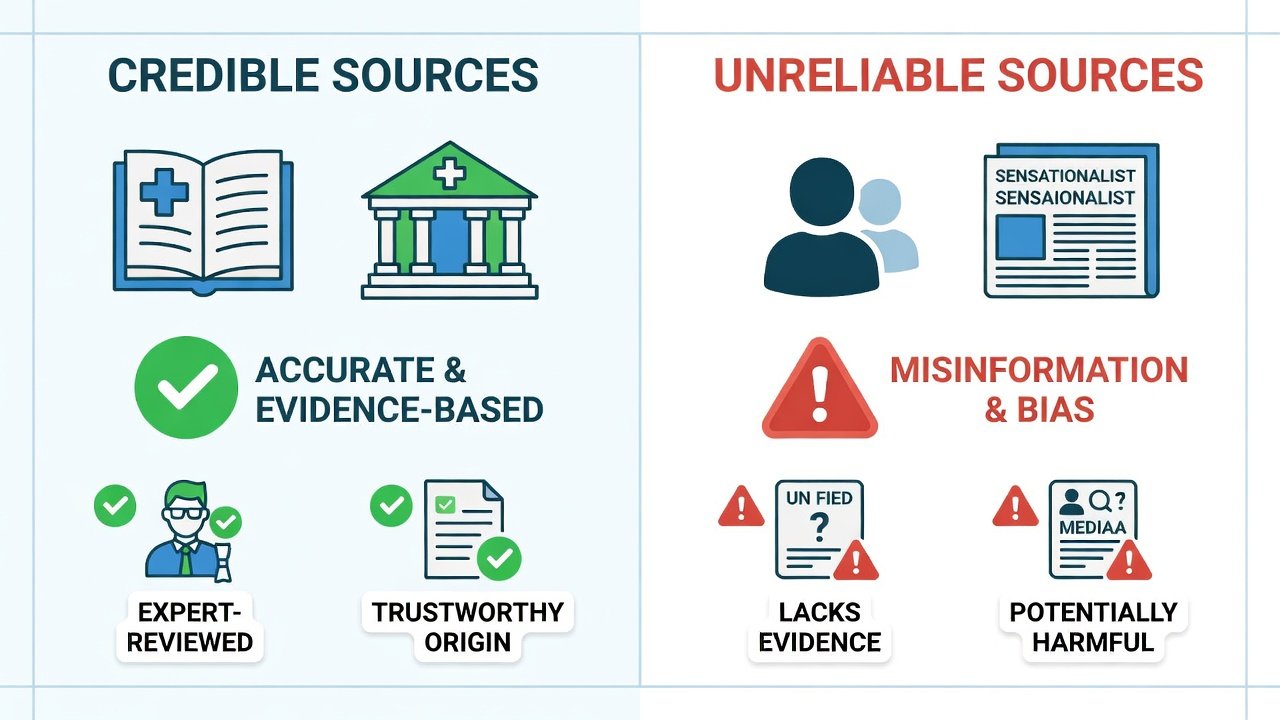
Credible sources feature clear disclaimers, peer-reviewed references, and neutral tone without sensational headlines. Unreliable ones often sensationalize topics or push products. A real-world example includes a site claiming instant cures for sexual dysfunction without medical backing versus one linking to clinical trials from established health agencies. Popular sexual myths include misconceptions about virginity, gender norms, or the effectiveness of withdrawal methods. Debunk them by consulting anatomy guides from reputable platforms that emphasize biological accuracy and inclusivity. Another frequent myth involves assumptions about STI transmission through casual contact; credible content clarifies transmission routes with data and prevention strategies.
Reviewing Anatomy Guides and Techniques from Reputable Sites
Reputable platforms offer detailed, illustrated anatomy sections updated for 2026 standards. These include interactive diagrams and consent-focused technique explanations that prioritize safety and mutual enjoyment. Beginners should compare offerings from established health organizations versus unmoderated forums. Always verify if techniques align with current guidelines on hygiene, consent, and communication. Practical evaluation involves checking for visual aids that label body parts accurately and discuss variations across individuals. This review process helps users develop accurate mental models of sexual health rather than relying on stereotypes.
2026 Updates in Sexual Health Standards
Standards evolve with new research. In 2026, emphasis has grown on mental health integration with sexual wellness and inclusive education for all identities. Beginners should seek resources referencing recent global health reports for the latest on STI prevention and relationship dynamics. Updates also highlight the role of technology in education, such as apps for tracking consent conversations or virtual consultations. Staying current means reviewing annual summaries from major health bodies and noting shifts in recommended screening frequencies or educational approaches.
Comparing Popular Platforms for Sex Education
- Official health sites: Provide free, evidence-based info with broad coverage of anatomy, myths, and prevention, updated regularly by experts.
- Educational nonprofits: Focus on youth-friendly explanations, interactive quizzes, and myth-busting sections tailored for beginners.
- Medical association resources: Offer in-depth anatomy and technique guides backed by clinical data and professional reviews.
- User forums and social channels: Often mix reliable tips with unverified anecdotes, requiring extra scrutiny and cross-checking.
Evaluate based on update frequency, user reviews from verified readers, and alignment with your specific questions. The Centers for Disease Control and Prevention stands out for statistical depth, while nonprofit sites excel at accessible language.
Real-World Examples of Reliable vs Unreliable Content
Reliable examples include CDC-linked articles on consent that include statistics, step-by-step communication tips, and references to peer studies. Unreliable content appears in blog posts promoting untested herbal remedies without citations or sites using fear-based language to sell supplements. Another contrast: A platform with anonymous testimonials versus one featuring interviews with licensed professionals. Use these contrasts to refine your evaluation skills through side-by-side comparisons during research sessions.
Practical Tips for Building a Personal Reference List
Start by selecting 5-10 core sites from trusted domains such as government health agencies and established nonprofits. Bookmark specific sections on anatomy, myths, and 2026 updates for quick access. Review the list quarterly to incorporate new findings and remove outdated entries. Add personal notes on what resonates, such as clear diagrams or practical consent scripts. Organize the list into categories like beginner basics, advanced techniques, and myth debunking. Share relevant portions privately with partners to foster open dialogue and joint learning. This ongoing curation supports sustained sexual wellness and adapts as standards evolve.
Frequently Asked Questions
How do I start verifying sex education sources as a beginner?
Begin with official health organization homepages and apply the step-by-step checklist above, starting with author credentials and evidence checks.
What are the top sexual myths to watch for in 2026?
Common ones involve contraception effectiveness, anatomy misconceptions, and STI transmission myths—always cross-check with medical sources like the CDC.
Are paid platforms worth it compared to free ones?
Free resources from established organizations often suffice for core information; paid options may add personalization but require the same credibility scrutiny.
How often should I update my reference list?
Review quarterly or after major health announcements to reflect 2026 standards and new research findings.
Can social media ever serve as a reliable source?
Only when accounts belong to verified health professionals who link to primary studies and avoid product promotion.
Conclusion
Evaluating reliable sex education sources equips beginners with lifelong tools for informed choices. By focusing on credibility, updates, platform comparisons, and personal reference lists, you navigate misinformation effectively. Continue exploring and refining your approach for sustained sexual wellness and healthier relationships.

No comments yet. Be the first!