 Spicy Trip
Introduction: Why Nutrition Matters for Sexual Wellness
Many people overlook the connection between what they eat and their intimate experiences. In 2026, emerging research continues to highlight how balanced nutrition influences hormone production, blood circulation, and overall energy levels that contribute to satisfying sexual health. This beginner-friendly guide breaks down the science without overwhelming jargon, focusing on practical changes anyone can make. Sexual health involves more than just physical performance. It encompasses arousal responses tied to vascular function, hormone balance, and even mood regulation—all areas where diet plays a supporting role. Understanding basic anatomy, such as how blood flow to genital tissues relies on healthy arteries, helps explain why certain foods matter. Poor dietary habits can lead to reduced stamina, hormonal imbalances, and diminished sensitivity over time, while thoughtful nutrition supports the body’s natural processes for better overall wellness.
Readers searching for myth-busting advice will find clear explanations here rather than complex protocols. The focus remains on accessible, evidence-based adjustments that fit into everyday routines. By addressing common misconceptions and providing concrete examples, this article equips beginners with tools to make informed choices that enhance vitality without requiring advanced knowledge or expensive interventions.
Key Nutrients Backed by Recent Insights
Three standout nutrients frequently discussed in current studies include zinc, omega-3 fatty acids, and antioxidants. Zinc supports testosterone production and reproductive cell health, making it essential for maintaining hormonal equilibrium. Omega-3s promote cardiovascular function, which aids blood flow essential for arousal and tissue responsiveness. Antioxidants combat oxidative stress that can impair vascular health over time, helping preserve cellular integrity in areas involved in sexual response.
These nutrients work together synergistically. For instance, adequate zinc levels help maintain proper hormone signaling pathways, while omega-3s keep blood vessels flexible and reduce inflammation that might otherwise hinder circulation. Antioxidants from colorful produce protect cells from damage that could reduce sensitivity or stamina. Additional support comes from magnesium, which aids muscle relaxation and nerve signaling, and vitamin D, which plays a role in hormone synthesis. Together these elements create a foundation for improved energy and function when consumed consistently through whole foods.
How Nutrients Connect to Basic Anatomy
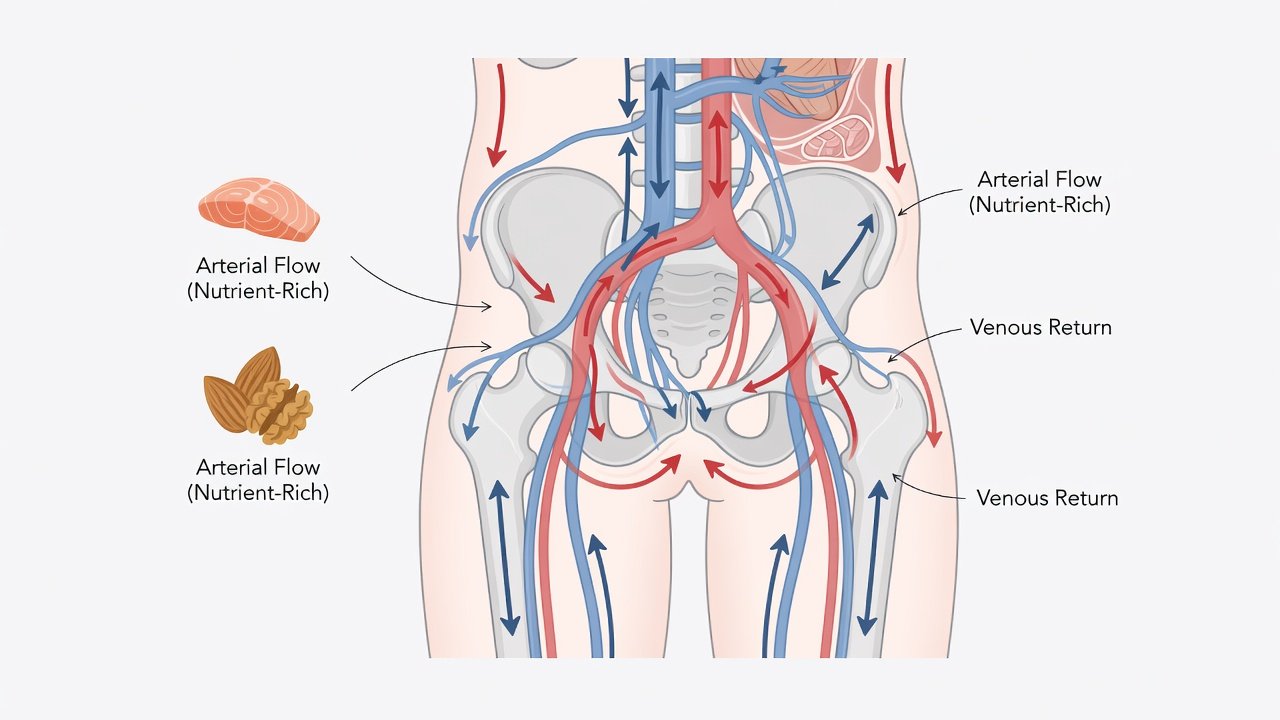
Basic human anatomy shows that sexual arousal depends heavily on healthy blood vessels and nerve pathways. The pelvic region requires robust circulation to deliver oxygen and nutrients effectively. Diets rich in the nutrients above help maintain arterial elasticity and reduce plaque buildup that can restrict flow. Hormones like testosterone and estrogen, regulated partly by zinc and antioxidants, influence libido and tissue health. Understanding these links empowers readers to see food choices as direct investments in their body’s natural systems rather than abstract recommendations.
Foods to Prioritize for Daily Support
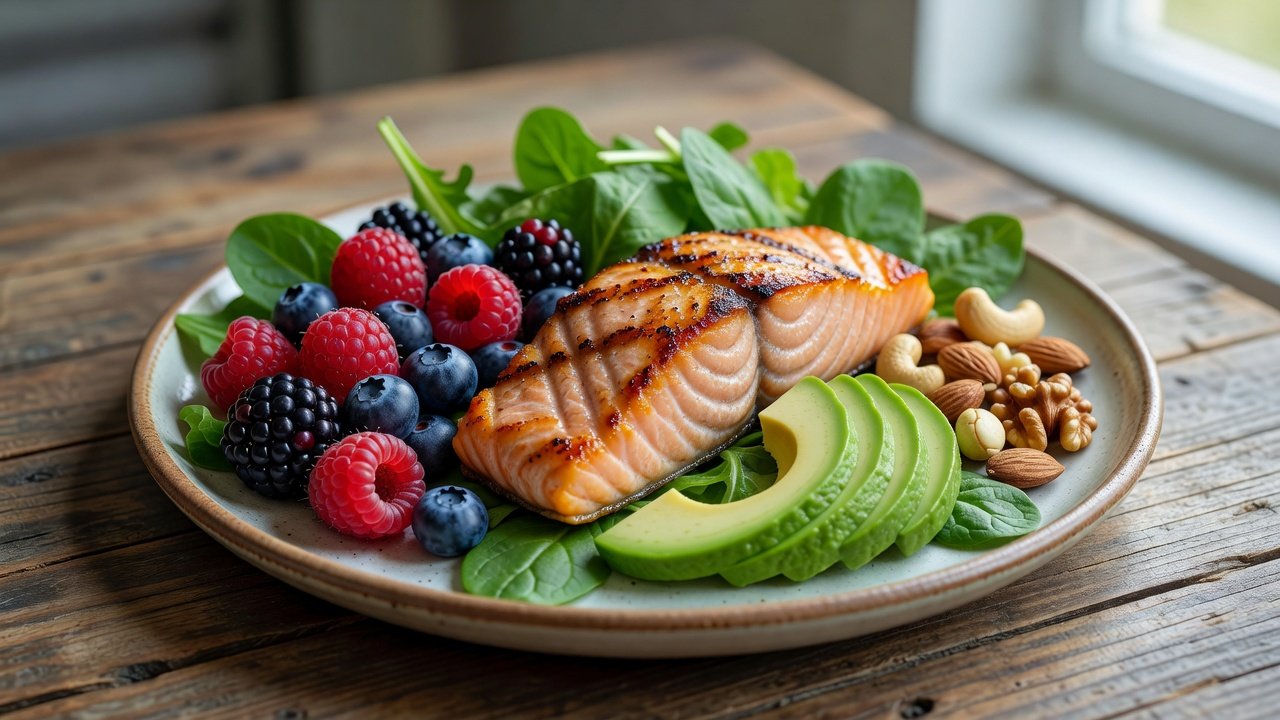
Incorporating nutrient-dense options regularly yields the best results. Leafy greens such as spinach and kale deliver antioxidants and nitrates that support nitric oxide production for better blood flow. Berries like blueberries and strawberries provide concentrated antioxidants with anti-inflammatory effects. Fatty fish including salmon and mackerel supply omega-3s that enhance cardiovascular health. Nuts and seeds, particularly pumpkin seeds and almonds, offer zinc alongside healthy fats that aid hormone production. Avocados and olive oil contribute monounsaturated fats that support circulation without raising unhealthy cholesterol levels. Whole grains such as oats and quinoa provide steady energy through complex carbohydrates, preventing the crashes associated with refined options.
Foods and Habits to Limit
Excessive processed sugars and refined carbohydrates can lead to inflammation and energy crashes that indirectly affect libido and mood stability. High-sodium foods may contribute to elevated blood pressure issues that impair circulation over time. Limiting alcohol remains wise because it can dehydrate tissues, disrupt sleep cycles critical for hormone recovery, and temporarily dull nerve sensitivity. Trans fats found in many fried and packaged foods promote arterial stiffness, counteracting the benefits of heart-healthy nutrients. Gradual reduction rather than abrupt elimination helps maintain sustainable habits without feelings of deprivation.
Debunking Common Food Myths in 2026
One persistent myth claims that certain “aphrodisiac” foods like oysters deliver instant results. While oysters provide zinc, the effect is gradual and part of an overall diet rather than a quick fix. Another misconception suggests spicy foods dramatically boost arousal; they may increase heart rate temporarily but do not alter core sexual physiology. Chocolate is often touted as a libido enhancer due to its mood-lifting compounds, yet research from 2026 shows only modest effects when consumed in moderation as part of a balanced pattern. Research from 2026 reinforces that no single food replaces consistent healthy eating patterns, and quick-fix claims usually lack robust evidence. Focusing on variety and frequency outperforms reliance on any isolated item.
Simple Daily Meal Examples
Breakfast ideas include Greek yogurt topped with berries, chia seeds, and a handful of almonds for a zinc and antioxidant boost. Lunch options feature grilled salmon salad with spinach, avocado slices, and olive oil dressing to combine omega-3s with leafy greens. Dinner examples center on quinoa bowls with roasted vegetables, chickpeas, and pumpkin seeds for sustained energy and mineral support. Snacks can consist of apple slices with peanut butter or a small serving of mixed nuts to maintain steady nutrient intake between meals. Variations might swap salmon for sardines or use kale instead of spinach depending on availability and preference.
Step-by-Step Starter Plan
- Assess your current intake for three days and note major gaps in fruits, vegetables, or healthy fats to identify easy improvement areas.
- Swap one processed snack daily with a nutrient-dense option like nuts or fruit to build momentum without overwhelm.
- Incorporate fatty fish or a plant-based omega-3 source at least twice weekly, tracking how energy levels respond.
- Stay hydrated with water throughout the day to support blood volume and tissue health, aiming for consistent intake rather than large volumes at once.
- Track energy and mood changes after two weeks to adjust as needed, noting any patterns tied to specific meals.
- Experiment with one new nutrient-rich recipe each week to keep meals interesting and expand your repertoire.
- Consult reliable resources or a professional if underlying health concerns arise during dietary shifts.
Common Mistakes Beginners Make
Many beginners attempt drastic overhauls that prove unsustainable, leading to quick abandonment. Others focus solely on supplements instead of whole foods, missing the synergistic benefits of fiber, vitamins, and minerals working together. Ignoring portion balance or hydration often undermines progress even when nutrient targets are met. Avoiding variety can cause boredom and nutrient gaps, while neglecting sleep and stress management limits the impact of dietary improvements alone.
Short FAQ for Beginners
How long until I notice changes? Most people observe subtle improvements in energy and well-being within 3–4 weeks of consistent dietary shifts, with more pronounced effects possible after 8–12 weeks.
Do supplements replace whole foods? Whole foods offer synergistic benefits that isolated supplements often lack; consult a professional before adding any concentrated products.
Is this advice suitable for everyone? Individual needs vary based on age, activity level, and health conditions. Personalized guidance from a healthcare provider is recommended for tailored results.
Can I still enjoy treats occasionally? Yes, moderation allows sustainability; occasional indulgences do not derail overall progress when the majority of meals remain nutrient-focused.
What if I follow a plant-based diet? Plant sources such as seeds, nuts, legumes, and fortified foods can meet needs effectively with thoughtful planning and variety.
Conclusion
Nutrition offers a foundational, sustainable way to support sexual health alongside other wellness practices. By focusing on zinc-rich foods, omega-3 sources, and antioxidant-packed produce while avoiding common pitfalls, beginners can build habits that enhance overall vitality. Start small, stay consistent, and pair these changes with reliable information from sources like the Mayo Clinic, World Health Organization, and CDC for the best outcomes. Long-term success comes from viewing food as an ongoing ally rather than a temporary solution.


No comments yet. Be the first!