 Spicy Trip
Sleep's Impact on Sexual Health: 2026 Myths & Basics Guide
Quality sleep forms the foundation of overall wellness, directly influencing sexual health in ways many beginners overlook. In 2026, emerging research continues to highlight connections between rest and intimate well-being, making this guide essential for those seeking practical lifestyle improvements. Everyday factors like sleep duration and consistency play a major role in sex education topics, helping individuals achieve better energy, mood stability, and physical responsiveness without relying on quick fixes. This article dives deep into the mechanisms at play, offering real-world examples and actionable steps tailored for those new to exploring how lifestyle choices shape sexual wellness.
Understanding the Sleep-Sexual Health Connection
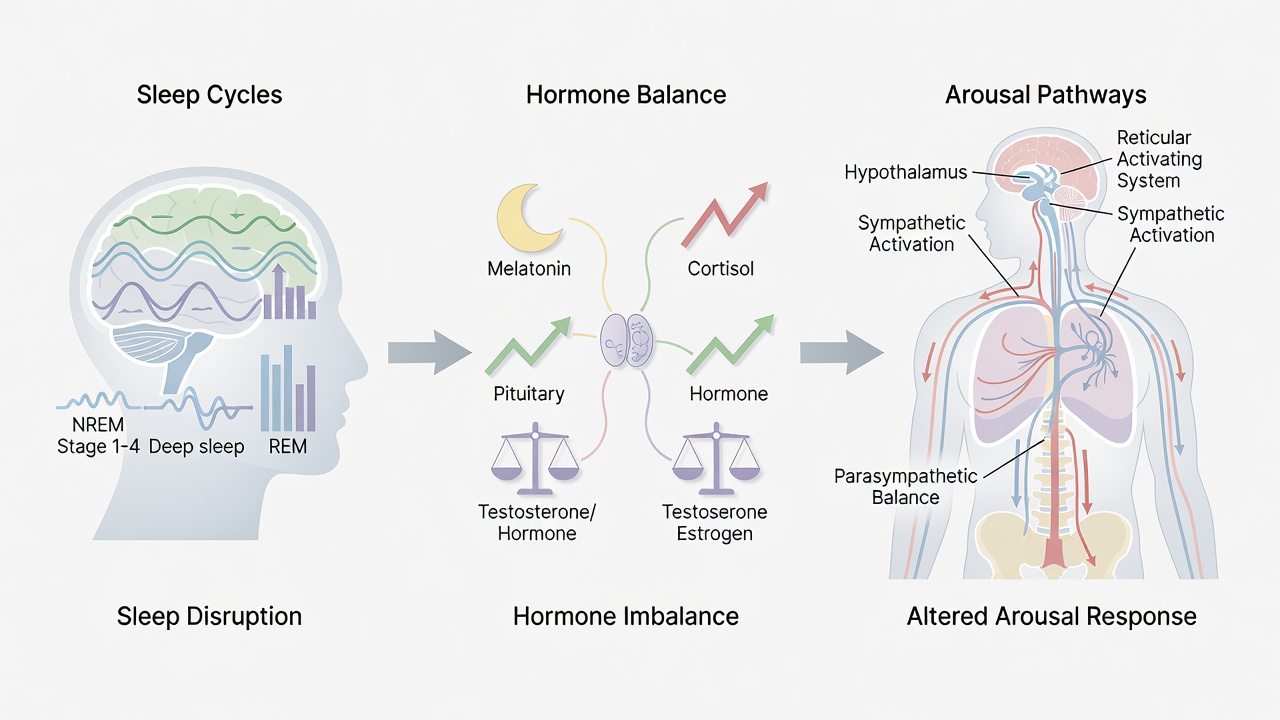
Restorative sleep regulates key bodily functions that support libido and performance. When sleep cycles are disrupted, the body struggles to maintain energy levels needed for desire and responsiveness. Beginners often notice subtle signs like reduced interest in intimacy after several nights of poor rest, such as difficulty focusing during conversations with a partner or feeling physically drained by evening. Over time, these patterns compound, affecting not just occasional encounters but long-term relationship satisfaction and personal confidence. Research from 2026 underscores that sleep acts as a reset mechanism for the nervous system, allowing for optimal hormone release and tissue repair that directly benefits arousal and stamina.
The Science Behind Sleep and Sexual Health in 2026 Research
Recent studies emphasize bidirectional relationships where poor sleep lowers sexual function, and conversely, satisfying intimate experiences can promote better rest through oxytocin release. Data collected in early 2026 shows adults with consistent sleep schedules demonstrate improved endothelial function, which supports blood flow critical for physical arousal. This connection extends beyond immediate effects, influencing immune response and inflammation levels that indirectly impact genital health and sensitivity. For beginners, recognizing these links encourages proactive changes rather than reactive solutions like stimulants that may worsen cycles of fatigue.
How Sleep Influences Libido
Libido depends on consistent sleep patterns because fatigue suppresses natural drive. Studies show that individuals averaging seven to nine hours of quality sleep report higher interest in sexual activity compared to those with irregular schedules. Real-life example: A 32-year-old office worker who improved sleep duration from five to eight hours experienced renewed energy for partnered activities within two weeks, noting increased spontaneous thoughts about intimacy during the day. Another case involved a couple in their late 20s who aligned their bedtimes and saw weekly intimate moments rise from two to five after one month, attributing the change to reduced evening exhaustion and sharper mental focus.
Hormone Balance and the Role of Rest
Hormones such as testosterone and estrogen fluctuate based on sleep quality. Deep sleep stages promote balanced production, while chronic short sleep leads to imbalances that affect mood and physical readiness. National Institutes of Health resources emphasize monitoring these patterns for long-term wellness. Additional factors include cortisol spikes from sleep deprivation that can suppress reproductive hormones, leading to lower motivation. In 2026 analyses, researchers noted measurable drops in free testosterone levels among participants sleeping under six hours nightly, with recovery seen after two weeks of improved habits. This balance also supports emotional regulation, reducing irritability that might otherwise strain intimate communication.
Arousal Anatomy and Restorative Sleep
Arousal involves blood flow, nerve sensitivity, and muscle relaxation—all supported by proper rest. Poor sleep can reduce circulation efficiency, making physical responses slower. Optimal sleep enhances these systems, allowing for more satisfying experiences. Nerve endings become more responsive after adequate recovery, and pelvic floor muscles maintain better tone when overall fatigue is minimized. Beginners may find that addressing sleep first yields faster improvements than focusing solely on technique or supplements.
Debunking Common 2026 Myths About Fatigue and Performance
Myth 1: Fatigue always boosts adrenaline for better encounters. Reality: Chronic tiredness dulls sensations rather than heightening them, often resulting in quicker fatigue during activity. Myth 2: Naps fully compensate for nighttime deficits. In truth, consistent nighttime sleep proves more effective for hormone regulation and REM cycles essential to emotional processing. Myth 3: Everyone needs the same sleep amount. Individual needs vary, but most adults benefit from seven-plus hours as of recent wellness guidelines. Myth 4: Alcohol before bed aids relaxation and performance. While it may induce drowsiness, it fragments sleep architecture and dehydrates tissues, negatively affecting arousal. Myth 5: Ignoring sleep is fine if you exercise regularly. Exercise helps but cannot override the cumulative effects of sleep debt on endocrine function.
Poor Rest Versus Optimal Rest: Key Comparisons
- Poor rest leads to irritability and low motivation; optimal rest fosters emotional connection and energy for spontaneous intimacy.
- Poor rest disrupts hormone cycles leading to unpredictable desire; optimal rest maintains steady levels for consistent libido.
- Poor rest increases stress responses that tighten muscles; optimal rest supports relaxation essential for comfortable arousal.
- Poor rest impairs cognitive clarity during intimate moments; optimal rest sharpens presence and communication with partners.
- Poor rest reduces immune support around sensitive areas; optimal rest promotes overall recovery and reduced inflammation.
Practical Sleep Hygiene Steps for Beginners
Start with a consistent bedtime routine. Dim lights one hour before sleep, avoid screens emitting blue light, and create a cool, dark bedroom environment around 65 degrees Fahrenheit. Incorporate light exercise earlier in the day such as a 20-minute walk, and limit caffeine after noon to prevent interference with falling asleep. Additional steps include using blackout curtains, investing in a supportive mattress if budget allows, and practicing 5-minute breathing exercises to quiet racing thoughts. These steps build sustainable habits that enhance both rest and sexual wellness over time, often showing benefits within 7-10 days.
Simple Tracking Techniques
Use a basic journal or free app to log sleep duration, quality ratings on a 1-10 scale, and next-day energy or mood. Note patterns weekly, such as how weekend catch-up sleep affects weekday performance or how certain foods influence nighttime awakenings. This data helps identify personal triggers without complex tools. Over four weeks, users typically spot correlations like late meals reducing sleep depth by 25 percent on average, allowing targeted adjustments.
Common Mistakes to Avoid When Improving Sleep
Many beginners make the error of attempting drastic changes overnight, leading to frustration and relapse. Instead, introduce one habit weekly. Another frequent mistake is relying on sleep trackers that overemphasize perfect scores rather than overall trends. Avoid heavy exercise within three hours of bedtime, as it can elevate core temperature and delay sleep onset. Finally, do not overlook partner involvement; discussing sleep goals together often increases accountability and shared success.
Checklist for Building Better Sleep Habits
- Set a fixed wake-up time daily, even on weekends, to stabilize circadian rhythms.
- Establish a wind-down ritual like reading or gentle stretching for 15 minutes.
- Keep the bedroom reserved for sleep and intimacy only to strengthen mental associations.
- Limit heavy meals close to bedtime, opting for light snacks if needed.
- Expose yourself to natural light within an hour of waking to regulate melatonin.
- Review weekly logs to adjust habits gradually and celebrate small wins.
- Minimize alcohol and nicotine in the evening hours.
- Consider white noise machines if external sounds disrupt rest.
Real-Life Examples of Transformation
One couple reported improved communication and frequency of intimate moments after both partners prioritized earlier bedtimes, moving from inconsistent 11 PM starts to a steady 10 PM routine. They documented higher satisfaction scores in a shared journal. Another individual tracked a 30 percent mood improvement linked to better sleep, which positively influenced relationship dynamics and reduced performance anxiety. A third example featured a shift worker who used blackout strategies and consistent timing on off days, resulting in restored libido after three weeks of adherence.
Frequently Asked Questions
How many hours of sleep are ideal for sexual health?
Most adults thrive on seven to nine hours, though personal variation exists based on age and activity levels. Monitoring how you feel upon waking provides the best indicator.
Can short-term sleep fixes improve libido quickly?
Yes, even one consistent week of better rest often yields noticeable energy gains, but lasting change requires ongoing habits to reset hormone baselines fully.
Does stress from poor sleep directly affect arousal?
Yes, elevated cortisol from sleep deprivation can interfere with relaxation needed for arousal, creating a cycle that benefits from targeted breathing or meditation.
Are there age-specific considerations?
Younger adults may recover faster from sleep debt, while those over 40 benefit from stricter routines to maintain hormone balance and circulation.
Should I consult a professional for ongoing issues?
If sleep problems persist beyond two weeks despite hygiene efforts, speak with a healthcare provider to rule out underlying conditions like sleep apnea.
How does diet interact with sleep for sexual wellness?
Balanced meals rich in magnesium and zinc support both sleep quality and hormone production, while excessive sugar disrupts nighttime rest.
Conclusion
Prioritizing sleep delivers meaningful benefits for sexual health through better hormone regulation, higher libido, and improved physical responses. Begin with small hygiene adjustments and consistent tracking to see results. For broader context on wellness foundations, consult Mayo Clinic guidance and World Health Organization materials. Start tonight for noticeable improvements in daily vitality and intimate connections, remembering that sustainable change compounds over months rather than days.

No comments yet. Be the first!