 Spicy Trip

Introduction: Why Emotional Intelligence Matters for Consent Today
In 2026, relationships thrive on mindful communication, where emotional intelligence (EI) serves as the foundation for enthusiastic consent. Developing EI helps partners recognize personal emotions, respond empathetically to cues, and navigate boundaries with clarity. This guide provides actionable steps for couples seeking stronger intimacy through self-awareness and mutual understanding. Consent is not a one-time checkbox but an ongoing dialogue. EI enhances this by allowing individuals to tune into their feelings and those of their partner, reducing misunderstandings and fostering trust. Modern couples face unique pressures from digital connectivity, hybrid work, and evolving social norms, making EI skills more essential than ever for maintaining healthy sexual dynamics.
Research from authoritative bodies like the World Health Organization underscores the role of emotional health in positive sexual experiences. By integrating EI, partners create safer spaces where both individuals feel seen and respected.
Understanding Emotional Intelligence in Consent Contexts
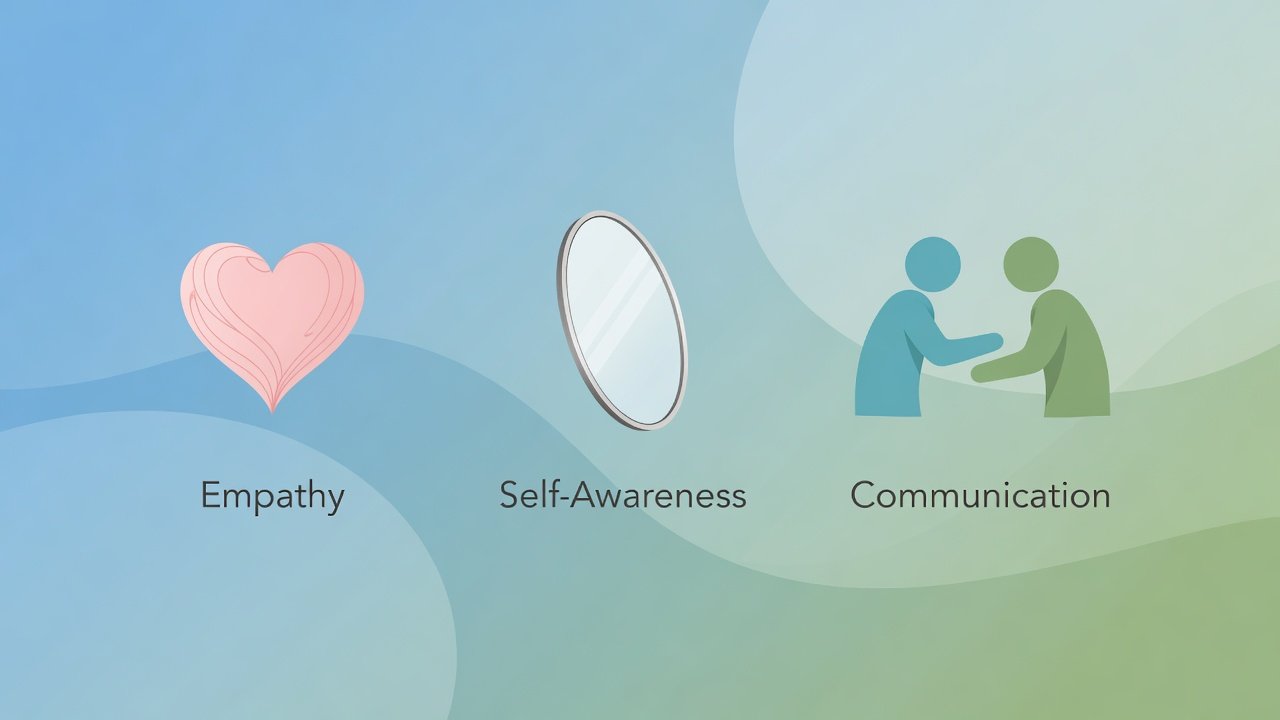
Emotional intelligence encompasses self-awareness, self-regulation, motivation, empathy, and social skills. In sexual and relational settings, these translate to identifying arousal signals, managing discomfort, and adapting to evolving desires. Each component plays a distinct role. Self-awareness allows you to notice rising anxiety before a conversation turns tense. Self-regulation helps you pause instead of reacting defensively when a boundary is raised. Empathy enables accurate interpretation of a partner’s subtle shifts in energy or tone. Social skills support clear, non-confrontational expression of needs.
Recognizing Personal Emotions During Relationship Talks
Begin by checking in with yourself before discussions. Ask: What am I feeling right now—excitement, hesitation, or neutrality? Journaling these responses builds self-awareness. For instance, noticing tension in your shoulders might signal an unspoken boundary. Expand this practice by tracking patterns over weeks. Note how certain topics trigger physical responses like a quickened heartbeat or shallow breathing. Over time, you develop an internal map that flags potential consent issues early. Couples in 2026 often schedule brief weekly check-ins via video or in person to review emotional states alongside calendar plans, turning routine conversations into opportunities for deeper connection.
Empathic Responses to Partner Cues
High EI involves reading nonverbal signals like body language shifts or tone changes. Respond with validation rather than assumption. Phrases like "I notice you seem quiet—how are you feeling?" open space for honest exchange without pressure. Empathy does not mean guessing; it means creating room for clarification. In practice, this looks like mirroring observed cues back to your partner: "Your voice softened when we mentioned trying something new—tell me more about that."
Compare this to low EI approaches, which dismiss cues or push forward regardless. A detailed breakdown highlights differences:
- Low EI: Ignoring hesitation and assuming silence means yes, leading to resentment or withdrawal.
- High EI: Pausing to explore emotions and confirming ongoing willingness, which builds long-term trust and satisfaction.
- Low EI: Interpreting tears as rejection and becoming defensive.
- High EI: Offering comfort first and asking what support is needed before continuing any discussion.
Practical Exercises for Building Self-Awareness
Integrate these into daily routines for lasting impact. Start with daily emotion labeling: Name feelings three times a day using a feelings wheel app or printed chart. Progress to mirror exercises where you practice active listening with a partner for five minutes without interrupting, then switch roles. Add boundary mapping by writing personal limits and revisiting them monthly as dynamics evolve in 2026’s fast-paced world. Another powerful technique is the “body scan before intimacy” where each person silently notes physical sensations for 60 seconds and shares one observation. These exercises compound; after 30 days, most couples report clearer communication and fewer misread signals. Pair them with occasional professional guidance from certified relationship counselors to accelerate growth.
Real-World Examples of EI in Enthusiastic Consent Scenarios
Consider a couple preparing for a weekend getaway. One partner senses fatigue in the other through subtle sighs. Instead of proceeding, they check in: "Your energy feels low—want to adjust plans?" This leads to enthusiastic agreement on alternatives, strengthening connection. In another scenario, partners discuss introducing a new element to their intimacy. One shows nervous fidgeting. High EI prompts a gentle pause and collaborative exploration of comfort levels, resulting in a shared plan that feels exciting for both. A third example involves long-distance partners using video calls. One notices the other’s delayed responses and flat affect. Rather than assuming disinterest, they name the observation and invite emotional sharing, uncovering temporary stress that can be addressed before any intimate plans. These examples illustrate how EI turns potential friction into opportunities for closeness and renewed consent.
Step-by-Step Techniques for Handling Sensitive Discussions
Follow this process for productive talks. First, set a neutral time and space free from distractions such as phones or background noise. Second, state your observations factually: "I felt excited but noticed your pause." Third, invite response with open questions like "What’s coming up for you right now?" Fourth, summarize agreements to confirm alignment, repeating key points back. Fifth, follow up later to ensure continued comfort, perhaps the next day. These techniques adapt to 2026 dynamics, including virtual check-ins via secure apps for long-distance couples. Practice each step in low-stakes conversations first to build muscle memory. Over repeated use, the process becomes natural and reduces anxiety around consent topics.
Common Challenges and FAQs
How do I handle mismatched emotional states?
Acknowledge differences without judgment. Use EI to explore root causes, such as stress from work, and agree on pacing. Schedule separate emotional check-ins if needed before returning to intimate topics.
What if past experiences affect current consent?
Build self-awareness through reflection or professional support. Empathy allows partners to support healing without assuming roles. Resources from the American Psychological Association provide evidence-based guidance on trauma-informed communication.
Can EI be developed quickly?
Consistent practice yields results within weeks, though deeper growth takes months. Track progress with simple journals noting improved comfort during discussions.
How does EI apply to digital consent in 2026?
Apply the same principles to text and video interactions by clarifying tone and confirming understanding before escalating intimacy. The Centers for Disease Control and Prevention offers updated sexual health frameworks that emphasize ongoing communication across all formats.
Conclusion: Cultivating Lasting Connection
Emotional intelligence transforms consent from obligation to opportunity for closeness. By prioritizing self-awareness and empathy, couples in 2026 create resilient, fulfilling relationships grounded in respect and joy. Start with one exercise today to experience the difference and continue layering skills as your partnership evolves.

No comments yet. Be the first!