 Spicy Trip
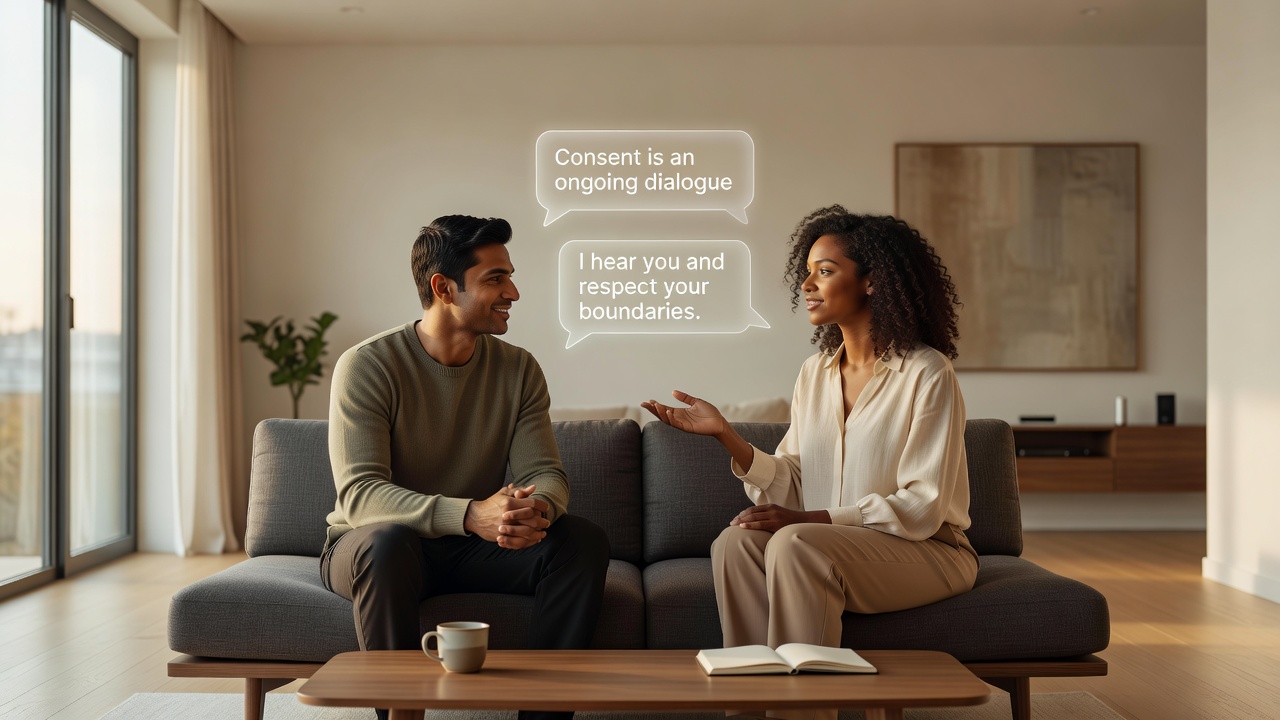
Understanding Enthusiastic Consent in 2026 Relationships
In 2026, enthusiastic consent has become an essential foundation for healthy intimate connections amid shifting social norms, greater awareness of diverse identities, and evolving communication tools. Partners today prioritize mutual enthusiasm over mere compliance, recognizing that clear signals prevent misunderstandings and foster deeper trust. This guide addresses practical boundary-setting by comparing verbal and nonverbal cues, offering actionable insights for couples navigating modern relationship dynamics. Whether you are in a new partnership or strengthening a long-term bond, mastering these cues supports respectful interactions that adapt to changing life circumstances.
Verbal Consent Cues: Strengths and Limitations
Verbal consent involves explicit spoken affirmations or questions that confirm willingness at every stage. A primary strength lies in its precision, which minimizes ambiguity and creates a documented sense of agreement that both partners can reference. This approach proves especially valuable during initial encounters or when exploring new activities where assumptions could lead to discomfort. However, limitations include potential awkwardness for individuals raised in cultures that discourage direct sexual dialogue, or situations where repeated verbal checks disrupt emotional flow. Over-reliance on words alone may also overlook subtle emotional states if tone or context is ignored.
Real-World Examples from Couples
Consider a couple in their late twenties who begin each intimate session by asking, "Are you fully excited about this right now?" This direct question sets a positive tone and allows immediate adjustments. Another pair, married for eight years, integrates ongoing verbal check-ins such as "Does this pace feel good, or should we slow down?" during extended encounters, ensuring enthusiasm remains consistent. A third example involves partners in a polyamorous dynamic who use specific phrases like "I consent to this with you but not others present" to clarify boundaries clearly. These examples illustrate how verbal cues adapt across relationship structures common in 2026.
Nonverbal Consent Cues: Strengths and Limitations
Nonverbal cues encompass body language, facial expressions, eye contact, and physical responses that signal comfort or hesitation without words. Strengths include their ability to maintain intimacy and flow in established relationships where partners have learned each other's patterns over time. They also allow for intuitive connection that feels natural during passionate moments. Limitations center on high misinterpretation risks, particularly across cultural differences, neurodiverse experiences, or when external stressors alter typical expressions. In 2026, with increased awareness of varied communication styles, relying solely on nonverbal signals can overlook important individual variations.
Real-World Examples from Couples
One established couple uses relaxed shoulders, open posture, and reciprocal touch to indicate continued interest while maintaining eye contact. In contrast, a newer partnership notices hesitation through averted gaze or stiffened limbs, prompting an immediate verbal follow-up. A same-sex couple reports that synchronized breathing and gentle pulling closer serve as reliable positive signals during their shared routines. These instances highlight how nonverbal cues function effectively when paired with awareness of personal baselines.
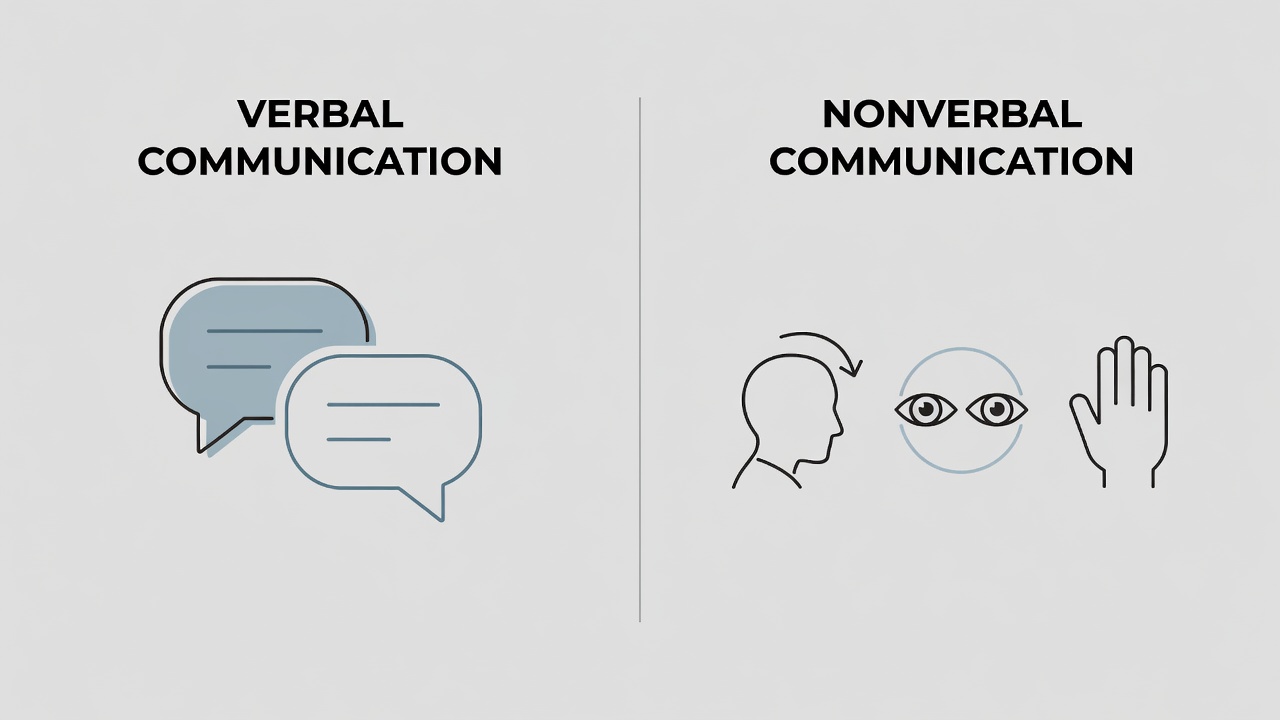
Pros and Cons Comparison Table
| Cue Type | Pros | Cons |
|---|---|---|
| Verbal | Provides clear, unambiguous confirmation; reduces misinterpretation risks; supports ongoing agreement in changing scenarios; accessible for those who process information through spoken language | May feel intrusive or clinical at first; can interrupt emotional rhythm if used excessively; requires comfort with explicit language that not all partners share initially |
| Nonverbal | Preserves natural intimacy and spontaneity; builds emotional attunement in long-term bonds; allows expression when words feel difficult; enhances connection through physical presence | Prone to misreading across cultures or stress levels; less reliable for new partners; may fail to capture internal doubts not shown physically |
Integration Strategies for Clearer Communication
Effective integration begins with establishing a baseline discussion outside intimate settings to agree on preferred cue combinations. Partners can alternate between verbal affirmations and observation of nonverbal responses, creating a layered approach that catches inconsistencies early. In 2026 relationship dynamics, many incorporate shared digital notes or periodic relationship check-ins to normalize consent conversations. This method strengthens trust by treating consent as an ongoing dialogue rather than a one-time event. Another strategy involves mirroring: if one partner offers a verbal yes, the other responds with both words and affirmative body language to reinforce alignment.
Step-by-Step Frameworks for Daily Practice
- Start each encounter with a simple verbal question such as "How are you feeling about this?" to set mutual expectations and invite honest input from the outset.
- Observe nonverbal signals like posture, breathing, and facial relaxation while continuing light verbal check-ins every few minutes to confirm sustained enthusiasm.
- Introduce a personal safe word or gesture agreed upon in advance, ensuring both partners can pause instantly without explanation if needed.
- Schedule brief debriefs after intimate moments to discuss what cues worked well and what adjustments might improve future interactions, turning experience into refined communication.
- Extend practice into everyday decisions, such as choosing activities or meals, to build habitual clarity that transfers naturally into intimate contexts.
Common Mistakes to Avoid
Many couples overlook the importance of revisiting consent after breaks or changes in mood, assuming prior agreement carries forward. Another frequent error involves interpreting silence as automatic yes rather than seeking clarification. Partners should also avoid pressuring for immediate responses, allowing space for genuine reflection. In diverse 2026 relationships, failing to account for neurodiversity or past experiences can lead to overlooked signals, so ongoing education remains key.
Short FAQ: Addressing Common Misunderstandings
Can nonverbal cues alone be enough?
While useful in familiar settings, enthusiastic consent benefits from verbal confirmation to ensure full alignment, especially amid the varied communication styles seen in contemporary partnerships.
How do I handle mixed signals?
Pause immediately and request explicit verbal clarification to resolve confusion and demonstrate respect for boundaries.
Is consent education only for new relationships?
Ongoing education strengthens all partnerships by adapting to life changes, evolving desires, and external stressors that affect how cues are expressed.
What role does technology play in 2026 consent practices?
Many use private messaging or shared apps for pre-discussions, but face-to-face verbal and nonverbal exchanges remain central during actual intimacy.
Conclusion
Mastering both verbal and nonverbal consent cues creates clearer, more respectful intimate experiences that align with 2026 relationship values. By combining these approaches through consistent practice and open dialogue, couples build lasting trust and mutual understanding. For additional resources on sexual health and communication, explore Planned Parenthood and World Health Organization.


No comments yet. Be the first!