 Spicy Trip
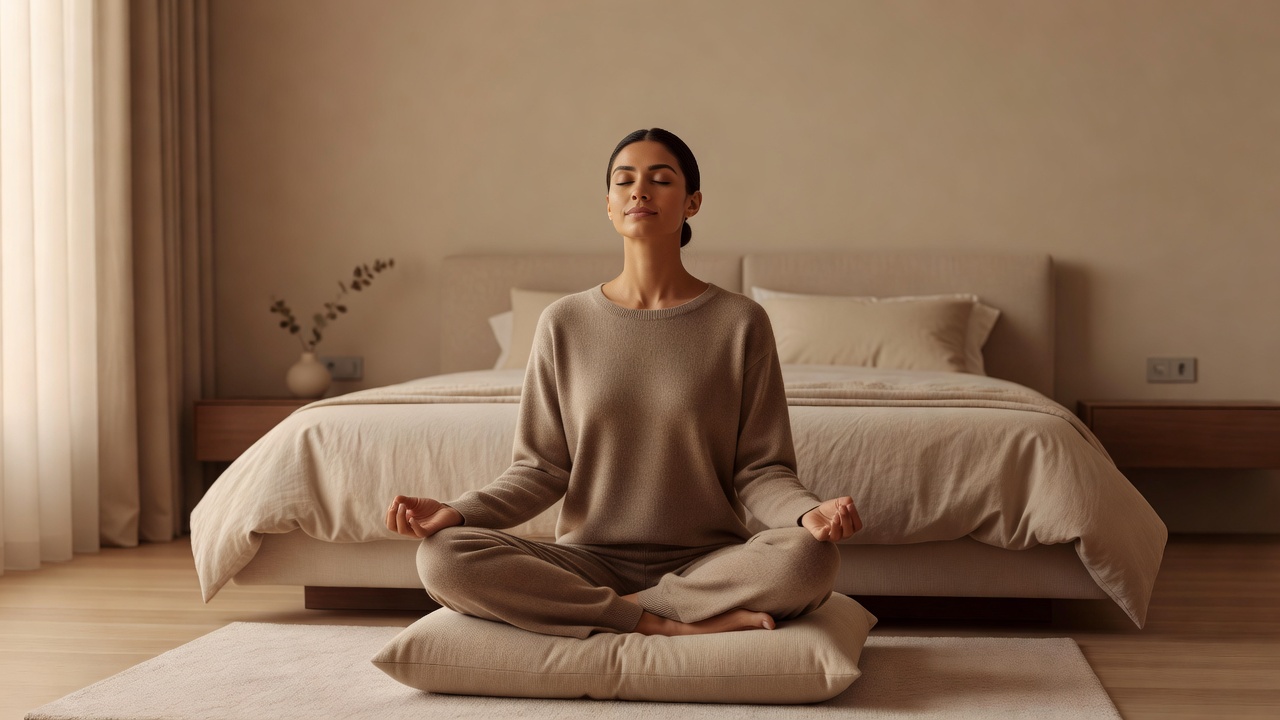
2026 Trends in Pleasure Self-Care and Mental Health
As 2026 unfolds, research into holistic mental health solutions continues to evolve rapidly. Studies increasingly connect erotic wellness practices with measurable psychological benefits, moving beyond traditional therapy models. This trend emphasizes pleasure self-care as a complementary approach that integrates body awareness with emotional regulation. Professionals in psychology and wellness fields note that incorporating elements of tantra and sexual mindfulness can address gaps left by conventional tools like meditation apps alone.
Current data from global health organizations shows rising demand for non-pharmaceutical interventions targeting anxiety and burnout. World Health Organization resources underscore the value of mind-body techniques in strengthening overall resilience. Erotic wellness stands out because it leverages natural pleasure responses to foster deeper self-connection and stress relief. Readers seeking alternatives often discover these methods provide sustainable daily support without requiring extensive time commitments.
Method 1: Sensory Rituals for Anxiety Reduction
Sensory rituals draw from tantric traditions to ground individuals in the present moment through focused touch and breath. These practices activate the parasympathetic nervous system, lowering cortisol levels associated with chronic worry. To implement, select a private space and gather items like scented oils, soft fabrics, or temperature-contrasting objects such as warm stones and cool feathers.
Step-by-step guidance begins with dimming lights and settling into a comfortable position. Spend three to five minutes applying light pressure along the arms or legs while synchronizing inhalations with each stroke. Progress by adding a single scent or sound cue to anchor attention. Over repeated sessions, this builds a reliable interruption for spiraling thoughts. One reader, a marketing executive facing deadline pressure, incorporated evening rituals and reported fewer nighttime awakenings after two weeks. Another scenario involves using the technique during lunch breaks to reset before afternoon meetings, creating a buffer against cumulative stress buildup.
Method 2: Daily Pleasure Routines for Improved Focus
Daily pleasure routines enhance cognitive clarity by training sustained attention through erotic mindfulness. Tantra emphasizes presence, which directly supports executive function skills needed for complex tasks. Start with a consistent morning window of ten to fifteen minutes involving self-exploration paired with visualization of upcoming goals.
Practical implementation includes setting an intention beforehand, then exploring bodily sensations without performance pressure. Alternate between gentle movement and stillness to maintain engagement. A project manager described integrating this into her pre-work routine, noting sharper decision-making during team discussions. Students preparing for exams have similarly found the practice reduces mental fog, allowing longer study periods with less distraction. Consistency matters more than duration; even brief sessions compound over time to rewire attention patterns.

Method 3: Tantric Breathing for Burnout Resilience
Tantric breathing techniques combine rhythmic patterns with erotic awareness to replenish emotional energy reserves depleted by modern demands. This method counters burnout by reconnecting physical sensations with mental states, promoting faster recovery between high-stress periods. Begin with alternate-nostril breathing for two minutes, then layer in positive intimate recollections or affirmations of self-worth.
Expand the practice gradually by extending sessions to five minutes twice daily. Real-world applications include healthcare workers using it between shifts to maintain empathy without exhaustion. Office employees facing long commutes report returning home with greater capacity for personal relationships. Track progress by noting energy levels in a simple journal, adjusting intensity based on daily needs. The key lies in viewing breath as a bridge between body pleasure and mental stamina rather than a mechanical exercise.
Method 4: Mindful Partner Touch for Emotional Regulation
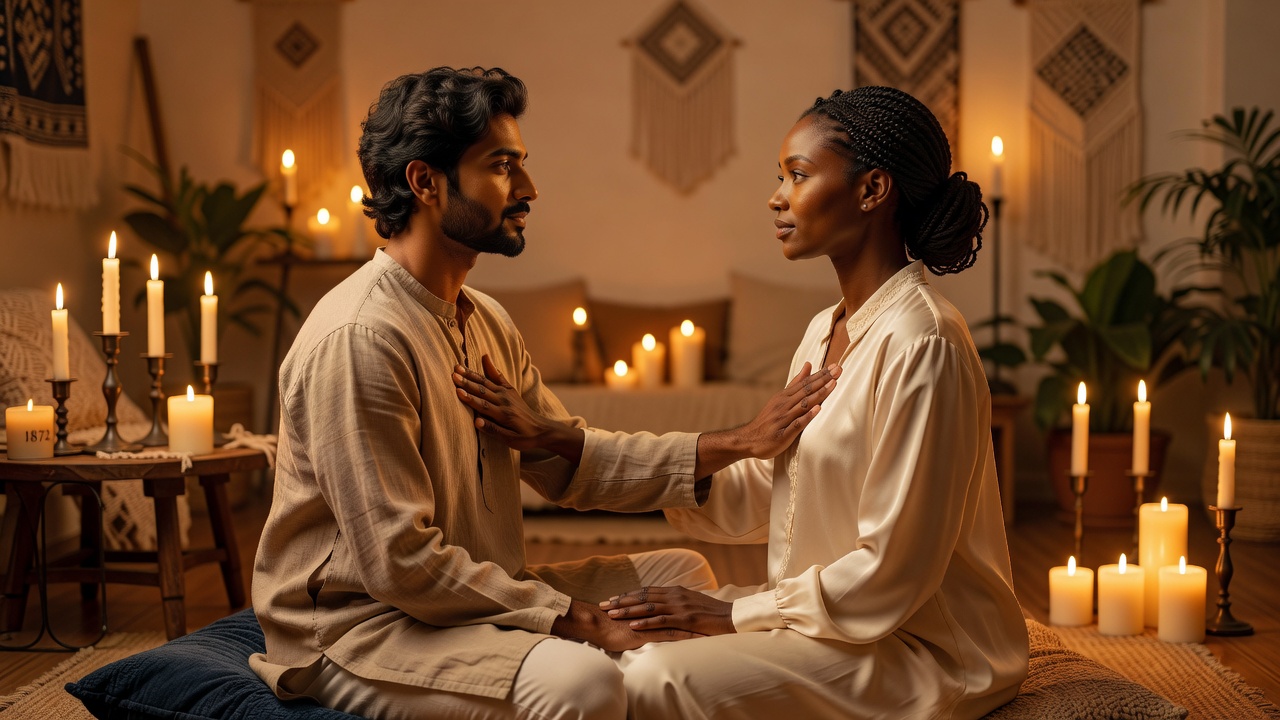
Mindful partner touch strengthens relational bonds while improving individual emotional regulation through shared erotic awareness. Unlike rushed intimacy, this approach prioritizes slow, intentional contact that builds trust and reduces reactivity. Establish consent and boundaries first, then designate roles as giver and receiver for ten-minute exchanges focused on non-genital areas initially.
Examples from couples show improved conflict resolution after adopting weekly sessions. One pair used eye contact during touch to navigate work-life imbalances, experiencing quicker de-escalation during disagreements. Solo practitioners can adapt by directing touch toward themselves with the same deliberate pace. This method differs from standard couples counseling by embedding pleasure as the central mechanism for connection, fostering both security and vitality in relationships.
Method 5: Erotic Visualization for Self-Compassion
Erotic visualization cultivates self-compassion by guiding the mind through pleasurable, affirming scenarios rooted in tantric principles. This counters harsh self-criticism common in high-achieving individuals. Allocate time in the evening to construct a detailed mental scene involving warmth, acceptance, and sensory delight while observing arising feelings without judgment.
Follow each session with a brief written note highlighting one compassionate insight gained. Readers managing imposter syndrome have described gradual shifts toward kinder internal dialogue after consistent use. Combine with gentle movement if visualization feels abstract at first. The practice builds internal resources that buffer against external pressures, complementing other wellness strategies effectively.
Additional Benefits and Common Pitfalls to Avoid
Beyond the core five methods, practitioners often notice secondary gains such as better sleep quality and heightened creativity. A scannable list of supporting habits includes maintaining hydration before sessions, creating dedicated time blocks free from digital interruptions, and gradually increasing complexity only after mastering basics. Avoid common mistakes like forcing outcomes, comparing progress to others, or skipping consent discussions in partnered work. These errors can diminish benefits and introduce unnecessary frustration.
Short FAQ on Common Barriers
- How do these differ from mindfulness apps? Erotic wellness integrates physical pleasure and tantric elements rather than relying on generic audio guidance alone.
- What if I feel awkward starting? Begin with solo low-pressure experiments; most individuals notice reduced discomfort after the first two or three attempts.
- Are these suitable for everyone? Those with trauma histories should consult professionals first and modify approaches to personal comfort levels.
- How long before results appear? Many report subtle shifts within one to two weeks of regular practice, with deeper changes emerging over a month.
Conclusion
Erotic wellness practices rooted in tantra and sexual mindfulness offer practical pathways to enhanced mental health in 2026. By addressing anxiety, focus, and burnout through targeted sensory and breathing techniques, individuals gain accessible tools that complement existing support systems. National Institutes of Health guidance on integrative health further validates exploring body-centered approaches. Start with one method that resonates, observe personal responses, and build from there for lasting impact.

No comments yet. Be the first!