 Spicy Trip

Introduction to Journaling for Pleasure Self-Care
In 2026, erotic wellness continues to evolve with accessible tools that blend mindfulness and personal exploration. Journaling stands out as a powerful practice for cultivating sexual mindfulness and deepening pleasure self-care. This approach draws from tantric traditions to help individuals connect with desires, boundaries, and sensations through reflective writing. Many people seek ways to move beyond surface-level self-care into practices that honor the full spectrum of their intimate experiences.
Unlike passive reflection, structured prompts guide users toward greater self-awareness and emotional clarity. Research from the American Psychological Association highlights how expressive writing supports emotional regulation and body awareness, making it ideal for pleasure-focused routines. As societal conversations around sexual health become more open, journaling offers a private, low-cost method to explore personal truths without judgment.
Setting Up Your Daily Journaling Ritual
Begin by selecting a dedicated notebook or digital app reserved exclusively for this practice. Leather-bound journals or encrypted note-taking apps work well for maintaining a sense of sacredness. Choose a quiet time, such as early morning before distractions arise or evening as a wind-down ritual, and create a sensory environment with soft lighting, calming essential oils, or comfortable seating. Commit to 10-15 minutes daily to build consistency over time.
Essential supplies include smooth-writing pens, optional items like silk scarves or small altar objects for ambiance, and privacy measures such as a locked drawer or password protection. This ritual transforms journaling from a chore into an intentional act of self-pleasure. For example, one practitioner lights a single candle and plays soft instrumental music to signal the start of the session. Track progress in a simple log noting shifts in awareness, energy levels, or new insights discovered each week. Over months, these small habits compound into profound changes in how you relate to your body and desires.
Psychological Benefits and Comparison to Meditation
Journaling enhances mindfulness by externalizing thoughts, reducing anxiety around intimacy, and clarifying personal boundaries. It activates similar brain regions as meditation but adds a cognitive processing layer through the act of writing. This makes it especially useful for those who find silent sitting challenging or who want concrete records to review later.
Compared to seated meditation, journaling offers tangible outputs for pattern recognition and pairs seamlessly with breathwork or gentle movement. Studies on mindfulness practices show both methods lower stress hormones and improve emotional resilience, yet writing provides unique benefits for processing complex emotions tied to sexuality and self-image. For deeper insights into these mechanisms, refer to resources from the National Institutes of Health. Additional perspectives appear on the World Health Organization site regarding holistic approaches to sexual well-being. Regular practitioners often report increased confidence, better communication in relationships, and a stronger sense of embodiment within just a few weeks.
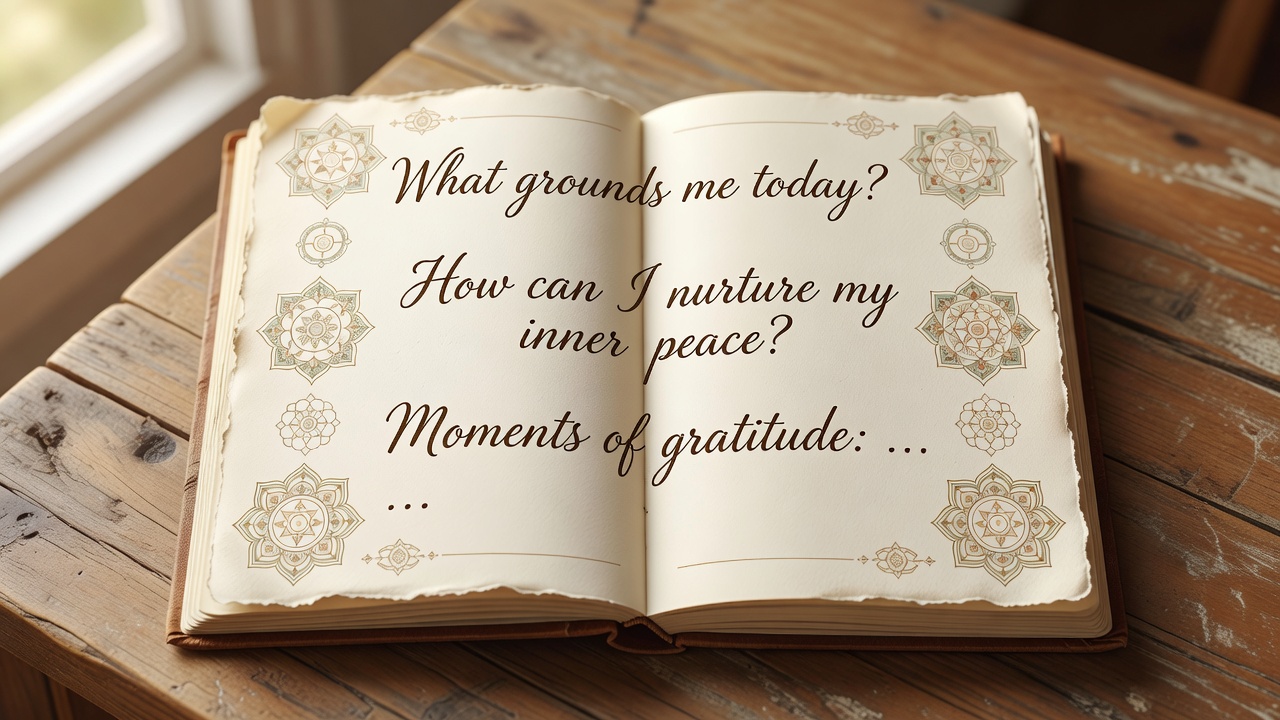
10 Tantra-Inspired Journaling Prompts
Each prompt below is designed to be answered in 5-10 minutes of free writing. Allow thoughts to flow without editing. Here are expanded examples and guidance for each:
- Prompt 1: Mapping Sensations Describe three areas of your body that feel most alive today. Note temperature, texture, and any emotions arising. Example response: “My lower back feels warm and heavy, evoking a sense of grounded power after yesterday’s walk.”
- Prompt 2: Desire Exploration Write about a fantasy without judgment. What elements excite you, and how might you honor them safely? This helps separate fleeting thoughts from actionable desires while respecting consent and reality.
- Prompt 3: Boundary Reflection List current limits in intimate situations. How have they evolved, and what new ones feel empowering? Revisiting this prompt monthly reveals growth in self-advocacy.
- Prompt 4: Pleasure Inventory Recall a recent moment of joy. Break it down into sensory details and emotional aftereffects. This builds appreciation for everyday erotic moments often overlooked.
- Prompt 5: Energy Flow Visualization Imagine breath moving through chakras. Journal any blocks or areas of openness you notice. Tantric roots encourage viewing the body as an energetic system rather than purely physical.
- Prompt 6: Partnered Connection If applicable, note qualities you appreciate in a partner and how they align with your needs. Use this to prepare for honest conversations.
- Prompt 7: Release and Renewal Identify one belief about pleasure to release. Replace it with an affirming statement. Common releases involve shame from past messages or cultural conditioning.
- Prompt 8: Sensory Awakening Detail interactions with textures, scents, or sounds that heighten awareness. This sharpens present-moment attention during both solo and shared experiences.
- Prompt 9: Future Self Dialogue Write a letter from your future self about integrated pleasure practices. This exercise fosters long-term vision and motivation.
- Prompt 10: Gratitude for the Body Express thanks for specific physical capabilities and pleasures experienced. Ending on gratitude reinforces positive neural pathways.
Adapting Prompts for Solo or Partnered Use
For solo practice, focus inward with extended free-writing after each prompt and consider adding drawings or symbols. In partnered settings, share select responses during intimate conversations to foster connection and mutual understanding. Adapt by alternating prompts between individual reflection and joint discussions, always prioritizing consent and comfort. A couple might each complete Prompt 3 separately then discuss overlaps and differences, turning writing into a bridge for deeper dialogue.
Common Mistakes to Avoid
Many beginners rush through prompts without allowing silence between sentences or judge their writing harshly. Another frequent error is skipping days and then overcompensating with marathon sessions that lead to burnout. Instead, treat the practice as gentle self-inquiry rather than performance. Avoid sharing entries prematurely unless trust is firmly established.
Troubleshooting FAQs for Consistent 2026 Habits
- What if I feel blocked? Start with shorter sessions or neutral topics to ease in, then gradually move to more intimate prompts.
- How do I maintain privacy? Use password-protected apps or physical locks, and store the journal in a secure location.
- Can I combine with other wellness tools? Yes, integrate with breathwork, yoga, or meditation for amplified effects and richer insights.
- What if progress stalls? Review past entries monthly to identify patterns and adjust prompts or timing as needed.
- Is it normal to feel emotional? Yes, tears or unexpected feelings often signal release of stored tension; allow the process without forcing positivity.
Conclusion
These prompts offer a sustainable pathway to sustained pleasure self-care through mindful journaling. By establishing a thoughtful ritual, exploring tantra-inspired questions in depth, and adapting practices to your life circumstances, readers can foster deeper connections with themselves and others throughout 2026 and beyond. Consistency, patience, and self-compassion remain the true keys to lasting transformation.
No comments yet. Be the first!