 Spicy Trip
Introduction to Tantric Aromatherapy
Tantric aromatherapy combines ancient Indian traditions of energy work with the therapeutic properties of essential oils to enhance erotic wellness and sexual mindfulness. This method goes far beyond simple breathwork or meditation by engaging the olfactory system to influence mood, arousal, and emotional connection. For individuals pursuing natural approaches to pleasure self-care in 2026, these practices offer accessible ways to deepen intimacy whether practiced alone or with a partner. The limbic system in the brain processes scents directly, linking them to memory and desire, which makes carefully chosen aromas powerful tools in tantric rituals focused on presence and energy circulation.
Readers interested in this topic often seek concrete methods to move past basic techniques. By aligning specific oils with the body's energy centers and following structured application routines, users can create personalized experiences that support long-term wellness goals. This article provides detailed guidance on selection, techniques, safety, and integration so you can begin implementing these practices immediately.
Selecting Oils Aligned with Chakras
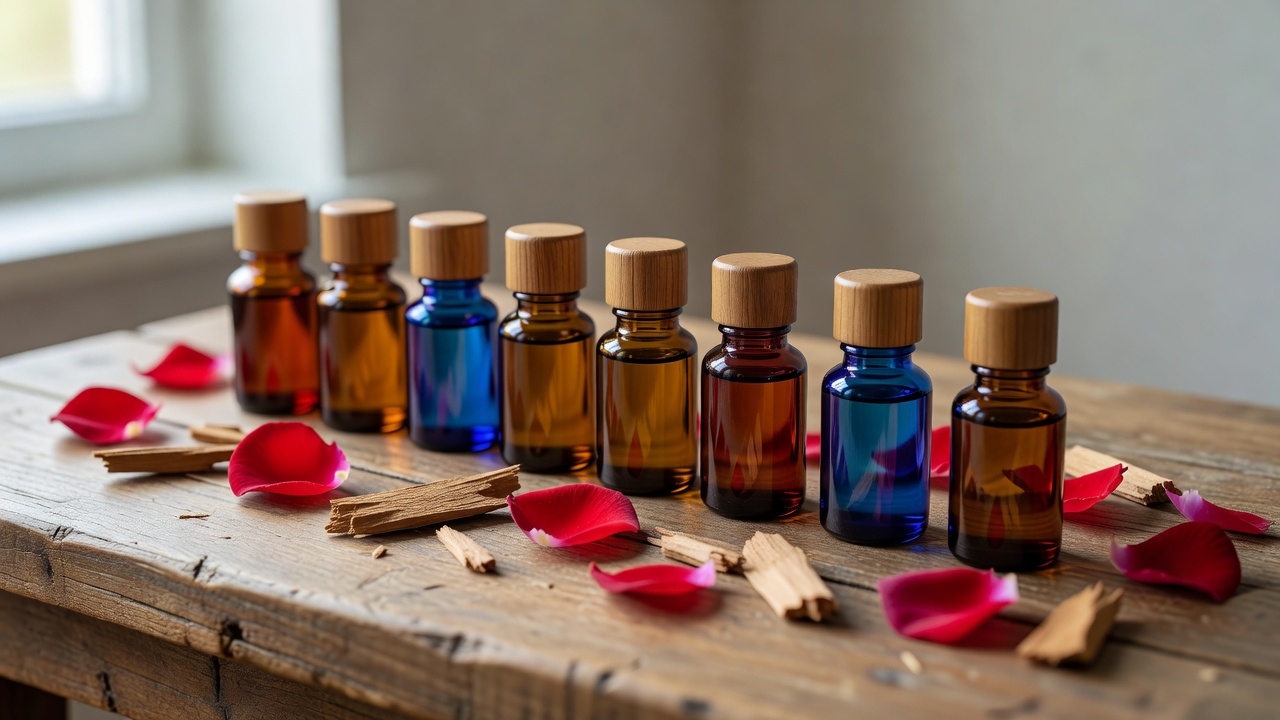
Chakra-based oil selection forms the foundation of effective tantric aromatherapy. The root chakra responds well to grounding oils such as patchouli, vetiver, and cedarwood, which promote stability and physical awareness. Sacral chakra oils like sweet orange, ylang-ylang, and sandalwood encourage creativity and sensual flow. Heart chakra favorites include rose, jasmine, and geranium to foster emotional openness during intimate moments.
When choosing oils, prioritize therapeutic-grade products from trusted suppliers. Begin by testing individual scents through mindful inhalation to determine personal resonance. For example, someone focusing on sacral energy might start with a blend of ylang-ylang and sandalwood diluted appropriately. Consider seasonal availability and skin type when building a collection, as certain oils like lavender offer calming effects suitable for evening sessions while citrus notes energize morning rituals.
Step-by-Step Application Techniques
Effective application begins with preparation of a calm environment. Select a warm, private space and gather your chosen oils along with a carrier such as jojoba or fractionated coconut oil. Maintain a standard 2 percent dilution ratio for body application to minimize irritation risks. Warm a small amount of the blend between your palms before applying to pulse points including the wrists, neck, inner thighs, and lower abdomen.
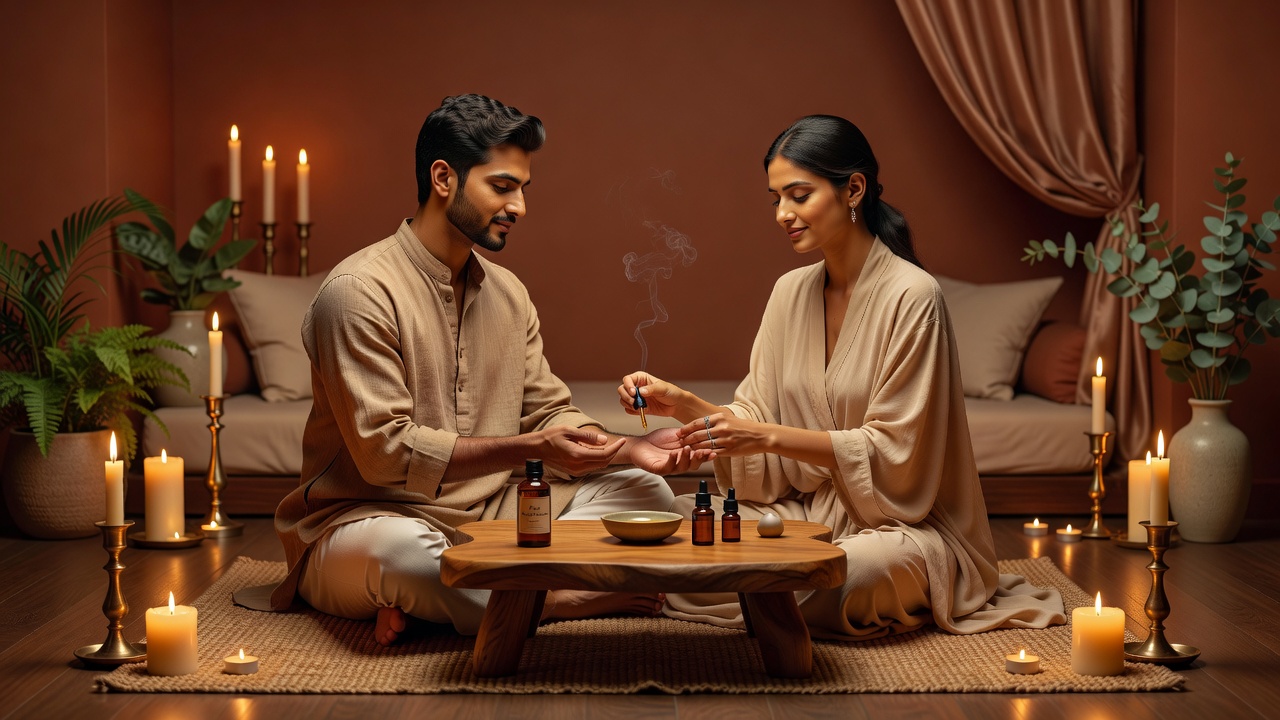
During solo sessions, incorporate slow self-massage while visualizing energy movement through the targeted chakra. For partnered work, take turns applying oils while maintaining soft eye contact and synchronized breathing patterns. Extend the process over 15 to 20 minutes, allowing the aromas to develop fully on the skin. One practical example involves starting at the feet and moving upward in a deliberate sequence that mirrors traditional tantric energy pathways.
Solo Versus Partnered Sessions
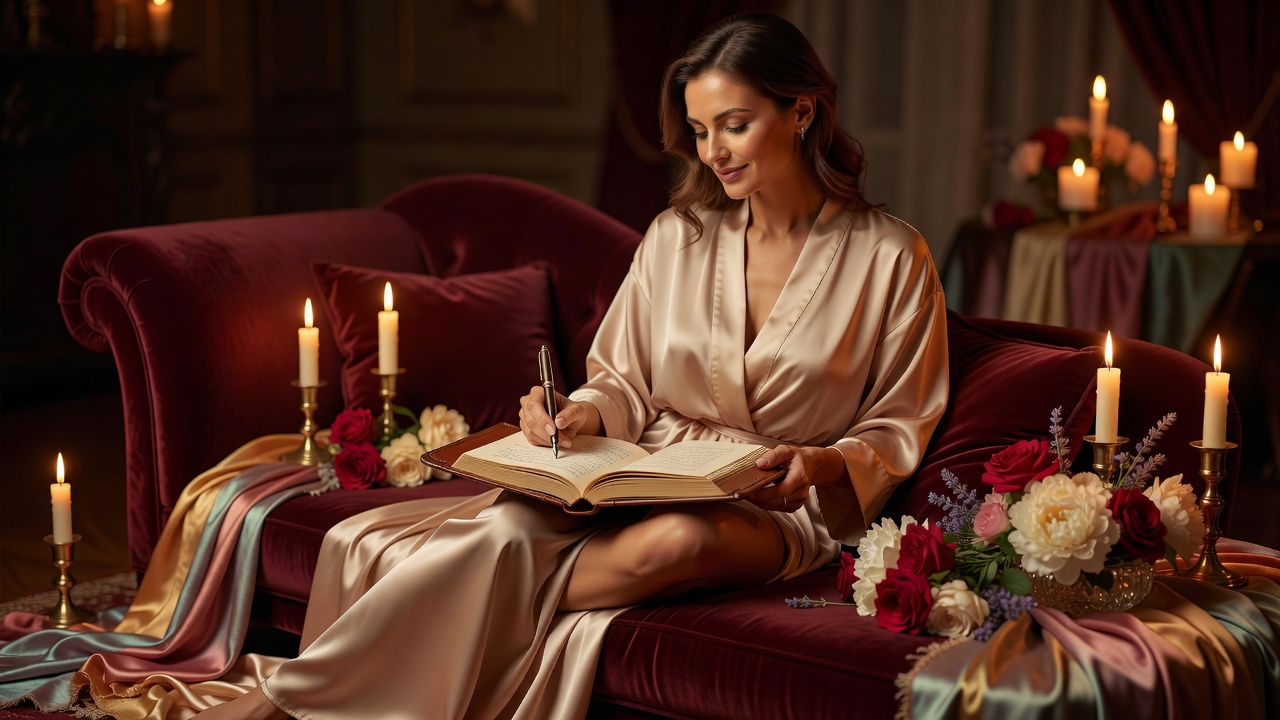
Solo practice emphasizes self-exploration and personal discovery. Diffuse a chosen oil blend while engaging in mindful touch and breath awareness exercises. A sample 25-minute routine might include five minutes of diffusion followed by targeted massage on the lower back and hips using sacral-aligned oils. Journaling afterward helps track sensations and refine preferences over time.
Partnered sessions require clear communication and mutual consent before beginning. Couples can create shared rituals such as alternating oil application on each other's shoulders and chest areas while focusing on heart chakra energy. Real-world examples include a weekly evening practice using rose and jasmine to enhance emotional closeness or a morning session with invigorating citrus oils to set positive intentions for the day. These routines build connection gradually without pressure for immediate outcomes.
Safety Guidelines and Best Practices
Safety remains essential when incorporating essential oils into intimate practices. Always conduct a patch test on the inner forearm 24 hours before full application. Avoid photosensitive oils such as bergamot or lemon before sun exposure. Pregnant individuals or those with respiratory sensitivities should consult healthcare professionals prior to use. Additional precautions include keeping oils away from mucous membranes and storing them in dark glass bottles to preserve potency.
Reference authoritative sources for ongoing education, including guidance from NCCIH on complementary health approaches and FDA information regarding essential oil labeling and safety standards. Store all products out of reach of children and pets, and discontinue use immediately if any adverse reactions occur.
Traditional Tantric Scents Versus Modern Blends
Traditional tantric scents draw from Ayurvedic heritage and typically feature sandalwood, frankincense, lotus, and myrrh for their spiritual and grounding qualities. These oils support deep meditative states and energetic alignment during extended rituals. Modern blends often combine these classics with accessible notes such as lavender for relaxation or bergamot for uplift, resulting in more stable and user-friendly products like pre-diluted rollers or diffuser mixes.
The comparison highlights trade-offs: traditional options deliver authentic depth suited to dedicated practitioners, while contemporary formulations provide convenience and consistency for beginners. Experimenting with both categories allows individuals to discover what best supports their unique erotic wellness journey throughout 2026.
Practical Routines for 2026 Wellness Goals
Building sustainable habits starts with short, consistent sessions. Dedicate 30 minutes weekly to a focused chakra ritual: choose one energy center, prepare your oil blend, set a clear intention, and conclude with reflection. Monthly progress tracking through simple notes on mood and sensation helps adjust approaches over time. Integrate these practices into existing self-care by pairing them with evening wind-down periods or post-exercise recovery.
Additional examples include a 10-minute morning diffusion routine using orange and patchouli to energize the sacral and root chakras before daily activities. Over several months, these small steps compound into noticeable improvements in mindfulness and sensual awareness.
Common Mistakes to Avoid
- Using undiluted oils directly on skin, which can cause irritation.
- Ignoring personal scent preferences and forcing popular blends that do not resonate.
- Rushing application without allowing time for the aromas to interact with body chemistry.
- Skipping consent discussions in partnered settings.
- Overlooking storage conditions that degrade oil quality.
FAQ on Common Misconceptions
- Is tantric aromatherapy only for couples? No, solo practitioners benefit equally through self-focused rituals that build personal connection and awareness.
- Do oils replace medical advice? They serve as complementary tools and should not substitute professional healthcare; review NCBI resources for research-backed context on aromatherapy uses.
- Are expensive oils necessary? Quality and purity matter more than cost; effective options exist across various price points when sourced responsibly.
- Can beginners start without prior tantra experience? Yes, simple oil selection and basic application steps provide an entry point that grows with practice.
Conclusion
Tantric aromatherapy provides a natural, sensory-rich pathway to enhanced erotic wellness. Through thoughtful oil selection aligned with chakras, careful step-by-step techniques, and consistent routines tailored to individual goals, practitioners can cultivate greater mindfulness and pleasure. Begin with small experiments, prioritize safety, and allow the practices to evolve alongside your 2026 wellness objectives for lasting benefits.
No comments yet. Be the first!