 Spicy Trip
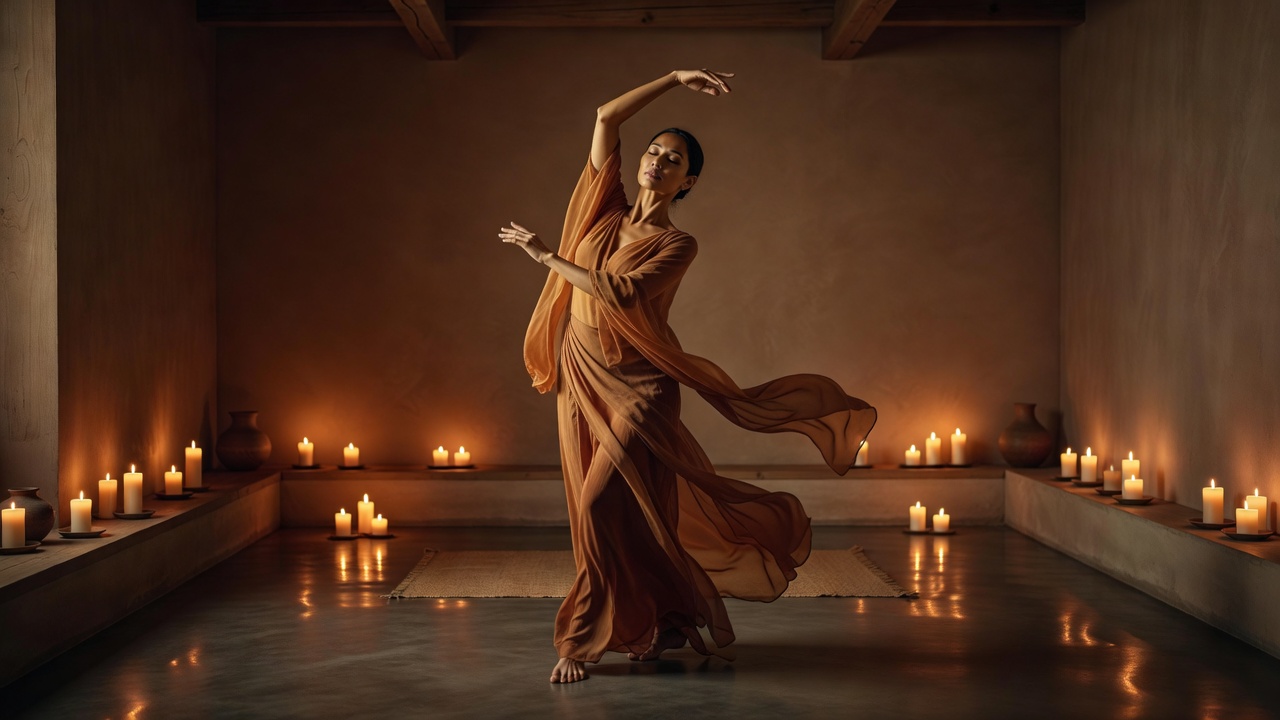
Tantric Dance Rituals for Erotic Wellness & Pleasure Self-Care 2026
In 2026, wellness seekers are increasingly embracing tantric dance as a dynamic pathway to erotic wellness and pleasure self-care. This practice moves beyond static meditation by combining rhythmic movement, breath awareness, and sensual energy activation. It offers a practical way to integrate sexual mindfulness into everyday routines, helping individuals release stored tension while cultivating heightened bodily sensation. Unlike traditional seated tantra exercises, these flowing dances encourage active participation that aligns with modern demands for accessible self-care.
Understanding Tantric Dance as Sexual Mindfulness
Tantric dance roots itself in ancient Indian and Tibetan traditions where movement served to awaken life force energy known as kundalini. Modern adaptations focus on solo practice, using guided body flows to foster presence and erotic awareness. Practitioners learn to synchronize breath with motion, directing attention to erogenous zones and energy centers without requiring a partner. This creates repeatable techniques that enhance daily pleasure self-care, supporting both physical vitality and emotional balance in fast-paced 2026 lifestyles.
Key Benefits for Stress Release and Heightened Sensation
Consistent tantric dance practice promotes stress release through rhythmic motion and mindful breathing, which activate the parasympathetic nervous system. Over time, this can reduce cortisol levels and improve emotional regulation. The movements also heighten sensation by increasing blood flow and proprioception, making intimate experiences more vivid. Insights from Mayo Clinic emphasize how mindful movement therapies support relaxation responses, while Harvard Health Publishing notes similar advantages for sensory perception and body-mind connection. Many users report better sleep quality, reduced anxiety, and renewed vitality after several weeks of regular sessions.
Five Beginner-Friendly Dance Sequences
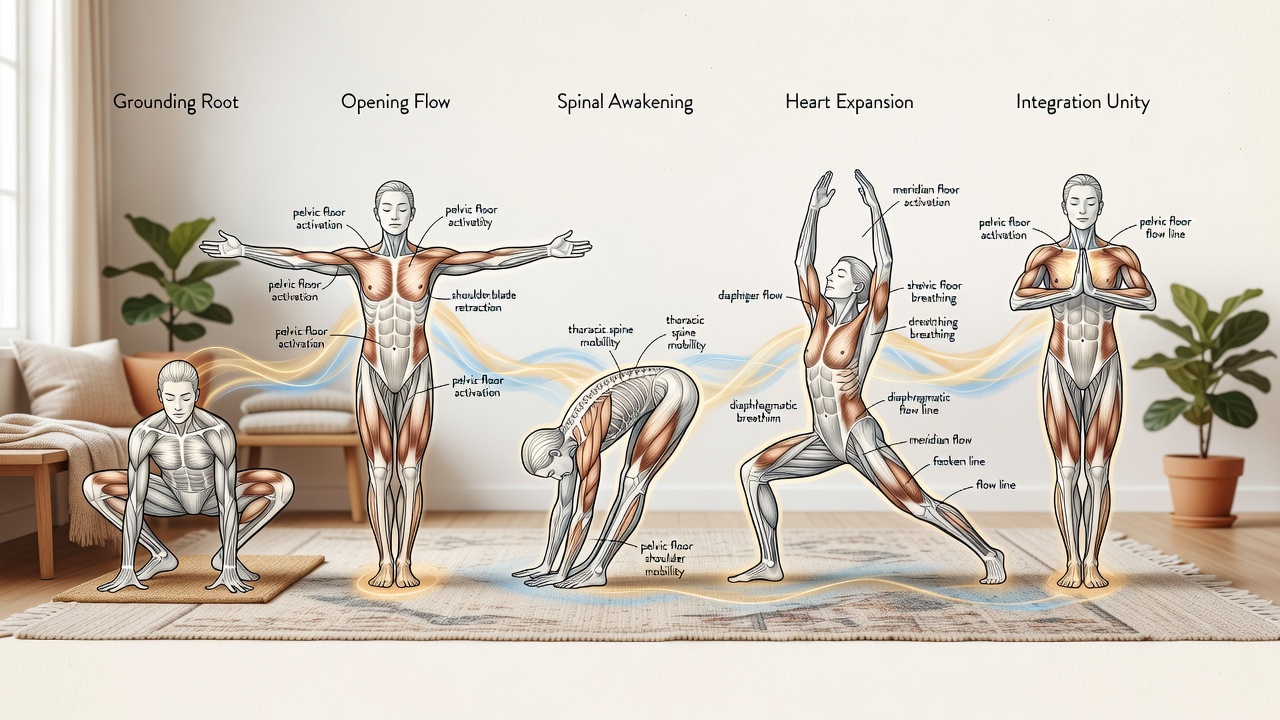
These sequences suit solo home practice. Start each session with five minutes of centered breathing, then progress through the flows for 10–20 minutes total. Focus on slow, intentional movements rather than performance.
- Grounding Hip Circles: Stand with feet shoulder-width apart and knees soft. Place hands on hips and draw large clockwise circles for 20 breaths, then switch direction. Inhale as hips move forward and exhale on the backward arc. This sequence grounds energy at the root chakra and releases lower-body tension. Beginners can hold a wall for balance if needed.
- Spinal Wave Flow: From standing, initiate a wave-like undulation starting at the tailbone and traveling up through the spine to the crown. Exhale on the forward curve and inhale on the return. Repeat continuously for five minutes. The flow improves spinal mobility and creates a meditative rhythm that calms the nervous system.
- Arm Energy Extensions: Extend both arms to shoulder height and trace slow circular patterns in the air while gently tilting the pelvis forward and back. Coordinate breath so inhales lift the arms and exhales draw them inward. This builds upper-body awareness and channels sensual energy outward, enhancing overall body confidence.
- Heart-Opening Sways: Position palms over the heart center and sway the torso side to side in a gentle rocking motion. Visualize warmth expanding through the chest with each breath. Continue for four minutes to open the heart chakra and foster emotional release alongside physical pleasure.
- Full-Body Integration: Combine elements from the previous sequences into one continuous, improvised dance. Allow hips, spine, arms, and torso to move freely while maintaining breath awareness. Practice for eight to ten minutes, finishing with stillness to integrate sensations.
Morning Versus Evening Routines: Real-World Examples
A morning routine energizes the body for the day. Begin with grounding hip circles and spinal wave flow for 15 minutes upon waking, followed by upbeat yet sensual ambient tracks. One practitioner example involves performing the sequences barefoot on a yoga mat near a window, using the natural light to enhance mood and focus. Evening routines emphasize winding down: start with heart-opening sways and finish with full-body integration in dim candlelight for 20 minutes before bed. This version promotes relaxation and prepares the nervous system for restful sleep. Both routines can be adjusted based on energy levels and fit current 2026 wellness trends centered on intentional daily rituals.
Practical Tips for Daily Integration and Progression
Consistency matters more than duration. Schedule short sessions three to five times weekly, gradually extending length as comfort grows. Track sensations in a journal to notice patterns in stress reduction and pleasure sensitivity. For progression, add light props such as silk scarves to extend arm movements or experiment with different tempos once basic flows feel natural. Always prioritize comfort and personal boundaries during solo exploration.
Safety Considerations for Solo Practice
Choose a private, clutter-free space with nonslip flooring. Wear comfortable clothing that allows full range of motion. Stay hydrated and pause immediately if any movement causes pain beyond mild stretch. Individuals with injuries, pregnancy, or medical conditions should consult a healthcare provider before starting. Begin slowly to avoid overexertion and build intensity over sessions. Listening to bodily signals remains the most important safety tool.
FAQ on Music Selection and Progression to Partner Work
What music works best for tantric dance? Select tracks with steady rhythms between 60 and 80 beats per minute. Ambient electronic, world fusion, or soft instrumental pieces support flow without overpowering internal focus. Experiment with playlists that evolve from slower to slightly faster tempos as the session progresses.
How should I progress from solo practice to partner work? First master the five sequences alone to develop body awareness and confidence. Once comfortable, invite a consenting partner to mirror movements side by side, maintaining open verbal communication about comfort levels and desired pace. Start with simple shared sways before advancing to more synchronized flows.
Conclusion
Tantric dance provides accessible, repeatable techniques for erotic wellness that align with 2026 self-care priorities. Through consistent practice of these sequences, individuals can achieve meaningful improvements in stress management, sensory awareness, and personal pleasure. The practice remains flexible enough to adapt to individual schedules while delivering lasting benefits for both body and mind.
No comments yet. Be the first!