 Spicy Trip

Introduction
Stress is an unavoidable part of modern life, yet its impact on sexual health often goes overlooked. This 2026 guide uses core sex education principles to explain how daily pressures influence anatomy, arousal cycles, and overall wellness. Readers will discover evidence-based strategies to reduce stress and enhance intimacy. Understanding these connections empowers beginners to take proactive steps toward better sexual function and relationship satisfaction. Throughout this article, we break down the science, dispel myths, and provide actionable tools that can be implemented immediately.
Understanding the Stress-Sexual Health Connection
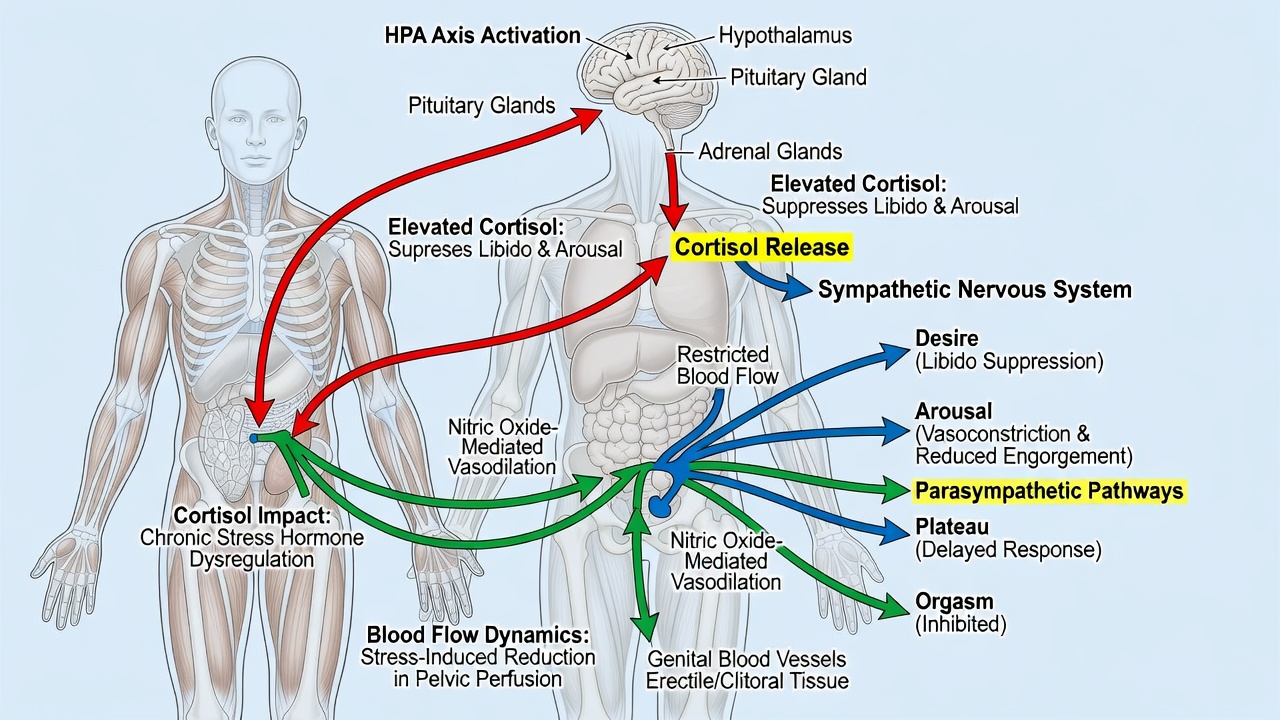
Chronic stress triggers the release of cortisol, which can interfere with hormone balance and blood flow essential for sexual response. In both men and women, elevated stress levels may reduce libido, delay arousal, or contribute to performance concerns. The body's fight-or-flight response prioritizes survival over reproduction, leading to suppressed sexual desire when stress becomes persistent. Learning to manage these responses begins with recognizing the physiological pathways involved, including the hypothalamic-pituitary-adrenal axis that governs stress hormones. Everyday stressors such as work deadlines, financial worries, or relationship tensions accumulate and manifest physically in the bedroom.
How Stress Affects Anatomy and Response Cycles
The sexual response cycle includes desire, arousal, plateau, orgasm, and resolution. Stress disrupts this sequence at multiple stages by activating the sympathetic nervous system, which diverts resources away from reproductive functions. For example, vasoconstriction caused by anxiety can limit genital blood flow, while mental preoccupation reduces the brain's ability to process erotic stimuli. Hormonal shifts from prolonged cortisol exposure may lower testosterone and estrogen levels, further dampening interest and physical responsiveness. In women, this can lead to reduced lubrication and difficulty reaching orgasm; in men, it often appears as erectile challenges or premature ejaculation. Over time, these disruptions create a cycle where poor sexual experiences heighten anxiety, making future encounters more stressful.
World Health Organization resources emphasize holistic approaches to sexual well-being that include mental health management.
Debunking Common Myths
- Myth: Stress only affects performance, not desire. Reality: It impacts both equally through hormonal pathways and can erode overall interest in intimacy over weeks or months.
- Myth: Quick fixes like supplements resolve the issue. Reality: Sustainable change requires lifestyle adjustments rather than temporary aids that fail to address root causes.
- Myth: Talking about stress with a partner harms intimacy. Reality: Open communication often strengthens connection and reduces the isolation that stress creates.
- Myth: Only severe anxiety causes sexual problems. Reality: Even moderate daily stress accumulates and interferes with the response cycle in subtle but significant ways.
Simple Relaxation Techniques
Begin with diaphragmatic breathing: inhale for four counts, hold for four, exhale for six. Practice this twice daily for noticeable improvements in arousal readiness within two weeks. Progressive muscle relaxation, starting from the toes and moving upward, further releases physical tension stored from daily stressors. Another effective method is guided imagery, where individuals visualize a peaceful scene for five minutes before bed. Incorporating these into a morning or evening routine builds resilience against stress spikes. For couples, synchronized breathing exercises can foster closeness while calming the nervous system simultaneously.
Mindfulness Versus Physical Activity Approaches
Mindfulness meditation trains present-moment awareness, helping individuals stay grounded during intimate moments. Studies show eight weeks of daily 10-minute sessions can lower cortisol. In contrast, physical activity such as brisk walking or yoga improves circulation and endorphin release. A comparison reveals mindfulness excels at reducing performance anxiety while exercise better supports long-term vascular health; combining both yields optimal results. Mindfulness allows better recognition of bodily sensations without judgment, whereas physical activity provides an outlet for pent-up energy that might otherwise fuel tension. Beginners should start with short sessions of either approach and gradually increase duration based on personal preference and schedule.
Real-Life Examples
Consider Sarah, a 34-year-old professional who noticed declining interest in intimacy due to work deadlines. After incorporating 15 minutes of evening mindfulness and a morning walk, she reported renewed desire within a month. Similarly, Marcus used progressive muscle relaxation before dates to manage anticipatory stress, leading to more satisfying experiences. Another example involves a couple named Elena and Jamal who faced mismatched libidos from career pressures; they introduced weekly non-sexual touch sessions and joint yoga classes, resulting in improved emotional intimacy and spontaneous sexual encounters. These stories illustrate that consistent small changes produce meaningful shifts without requiring dramatic lifestyle overhauls.
Step-by-Step Tips and Practical Daily Habits
- Start the day with five minutes of gratitude journaling to reframe stressors and set a positive tone for interactions with your partner.
- Schedule non-sexual touch, such as massages or cuddling, to rebuild comfort with physical closeness without performance pressure.
- Limit screen time one hour before bed to improve sleep quality and hormone regulation critical for sexual health.
- Practice partner check-ins using simple questions like “How are you feeling today?” to foster emotional safety and reduce unspoken tensions.
- Track stress triggers in a notebook and pair each with a chosen coping strategy, reviewing progress weekly to refine your approach.
- Integrate short movement breaks during the workday, such as stretching or a quick walk, to prevent stress buildup that carries into evenings.
- Explore sensory grounding exercises, like focusing on five things you can see, hear, or feel, to interrupt anxious thought patterns before intimacy.
Mayo Clinic guidelines support these incremental habit changes for sustainable wellness.
Building a Personalized Stress Management Plan
To maximize results, tailor techniques to your lifestyle. Assess your primary stressors through a simple weekly review, then select two to three methods that fit naturally into existing routines. For instance, busy parents might combine mindfulness with family walks, while shift workers could focus on breathing exercises during breaks. Monitor outcomes by noting changes in energy, mood, and sexual satisfaction over four weeks. Adjust as needed, and consider involving a partner for accountability and shared benefits.
FAQ
How quickly can stress reduction improve sexual function? Many notice benefits within two to four weeks of consistent practice, though individual results vary based on stress severity and adherence.
Is professional help necessary? Self-help works for mild cases; persistent issues warrant consultation with a sex therapist or physician for personalized guidance.
Can stress-related sexual concerns affect relationships? Yes, but transparent dialogue and shared relaxation activities often strengthen bonds and prevent resentment from building.
Are there differences in how stress impacts men and women sexually? Yes, men may experience more erectile difficulties while women often report lower desire and arousal challenges, though both benefit equally from stress management.
Centers for Disease Control and Prevention provides additional public health insights on sexual wellness.
Conclusion
By addressing stress through targeted techniques and daily habits, individuals can restore balance to their sexual health. This guide equips beginners with actionable tools grounded in sex education principles, paving the way for greater intimacy and overall well-being in 2026 and beyond. Consistent application of these strategies fosters resilience that extends far past the bedroom.

No comments yet. Be the first!