 Spicy Trip
Introduction to the Menstrual Cycle and Sexual Wellness
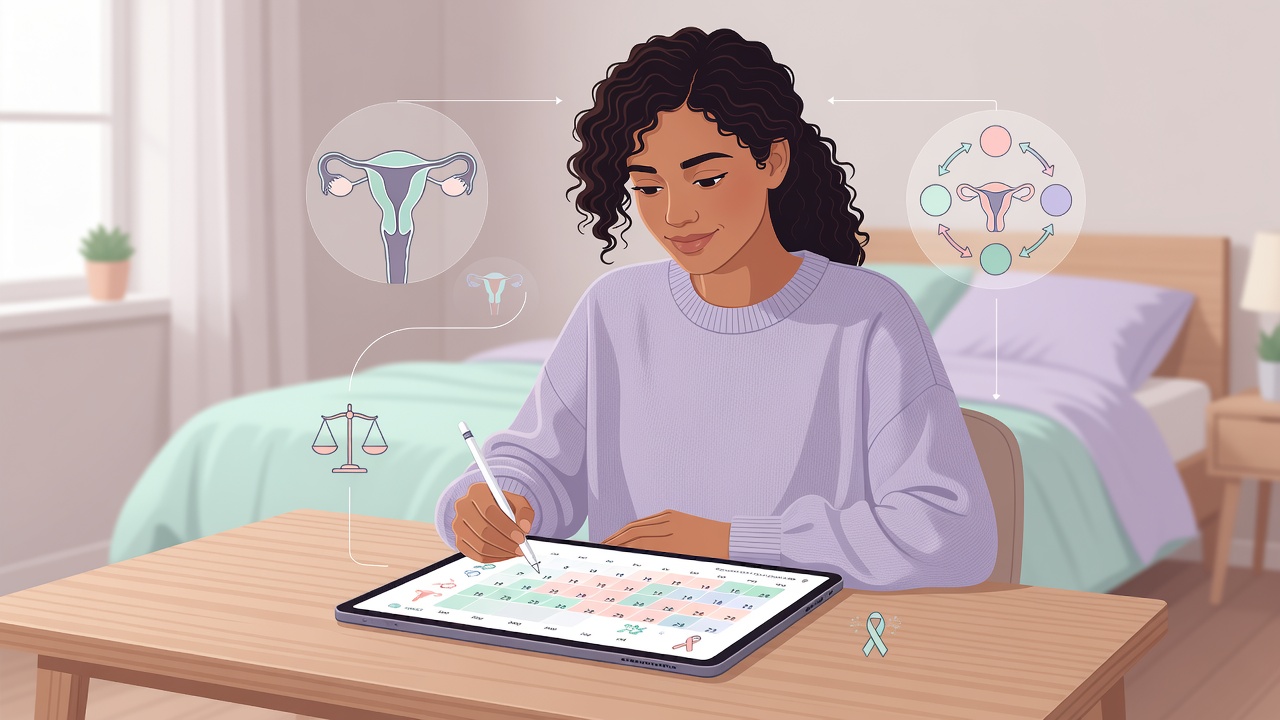
Understanding the menstrual cycle is essential for anyone seeking to optimize sexual health and intimacy. In 2026, ongoing research continues to highlight how hormone shifts influence arousal, lubrication, and overall desire across diverse bodies. This beginner-focused guide provides myth-free education, covering practical techniques that align with each phase of the cycle while emphasizing consent, safety, and personal empowerment. The average cycle lasts between 21 and 35 days, though individual variation is common due to factors like stress, nutrition, and medical conditions. Tracking these changes empowers individuals and partners to make informed decisions about sexual activity, contraception timing, and pleasure enhancement throughout the month.
By integrating cycle awareness into daily routines, people often report improved communication, reduced discomfort, and greater satisfaction in their intimate lives. This article draws on current evidence to separate fact from fiction and offers actionable steps for real-world application.
The Four Phases of the Menstrual Cycle
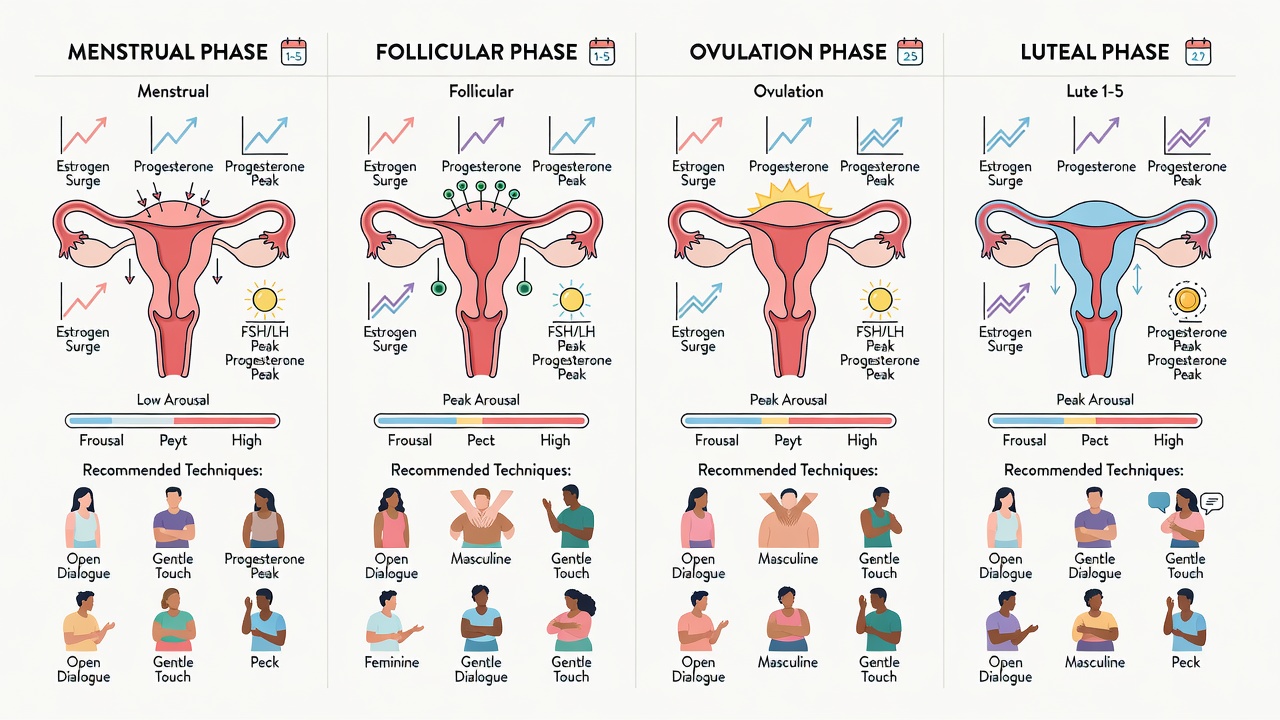
Each phase brings distinct hormonal patterns that affect sexual response, energy levels, and physical sensations. The menstrual phase typically lasts three to seven days and involves shedding the uterine lining, often accompanied by cramps that some find relieved through orgasm-induced contractions. The follicular phase follows, with rising estrogen levels that frequently boost mood, energy, and libido while preparing the body for potential ovulation. Ovulation occurs mid-cycle with a luteinizing hormone surge, marking peak fertility and often heightened sensitivity in erogenous zones due to increased blood flow. The luteal phase features progesterone dominance, which can lead to mood fluctuations, breast tenderness, and varying arousal patterns as the body prepares for a possible pregnancy or the next cycle.
Recognizing these patterns allows for tailored intimacy routines. For instance, many individuals notice increased natural lubrication and clitoral sensitivity during the follicular and ovulatory phases, while others experience reduced desire or preference for gentler touch in the luteal phase. Understanding these shifts reduces anxiety and fosters more satisfying encounters.
Debunking Common Myths in 2026
One persistent myth claims period sex is inherently unsafe or increases infection risk. In reality, it poses no inherent health risks when proper hygiene is maintained, according to Planned Parenthood. Another misconception suggests fertility windows are fixed calendar dates; they fluctuate based on individual cycle length, ovulation timing, and external factors like illness. Hormone fluctuations do not eliminate desire during menstruation—2026 studies confirm that some people experience heightened arousal from pelvic congestion and endorphin release. Additional myths include the idea that cycle tracking is only for those trying to conceive; in practice, it supports broader sexual wellness by helping predict energy dips or optimal times for different activities. Addressing these misconceptions promotes body positivity and reduces shame around natural bodily processes.
Hormones, Arousal Patterns, and Anatomy
Estrogen peaks enhance natural lubrication and heighten sensitivity in areas like the clitoris, nipples, and vaginal walls. Testosterone, present in smaller amounts, contributes to libido and sexual motivation for many people regardless of gender. Progesterone in the luteal phase may dampen spontaneous desire for some while increasing the need for emotional connection or slower-paced intimacy. Anatomy awareness includes monitoring changes in cervical position—higher and softer during fertile windows—and cervical mucus consistency, which shifts from sticky to clear and stretchy around ovulation. These observable signals help predict comfort levels during penetration and guide choices around protection or lubrication. Pelvic floor muscles also respond differently across phases, with some experiencing tighter sensations pre-menstrually that benefit from relaxation techniques before activity.
Practical Sex Techniques Aligned with Each Phase
During the menstrual phase, prioritize external stimulation such as clitoral massage or mutual shower play to minimize mess while still achieving release that may ease cramps. Water-based lubricants work well here, and dark towels or menstrual discs provide practical support for those preferring internal options. In the follicular phase, leverage rising energy with exploratory positions like side-by-side or seated variations that allow for deeper connection without fatigue. Ovulation often calls for focused attention on multiple erogenous zones, incorporating toys or extended foreplay to capitalize on peak sensitivity. The luteal phase suits slower, connective practices such as full-body massage, breath-synchronized movement, or extended cuddling sessions that accommodate potential bloating or mood sensitivity. Step-by-step adjustment might begin with a five-minute check-in conversation, followed by selecting one low-pressure activity per phase and noting physical and emotional responses afterward.
Recommended Cycle Tracking Apps
- Apps that sync with wearables for accurate basal temperature and ovulation predictions, including customizable symptom trackers.
- Features like partner-sharing modes, educational articles on sexual health, and privacy settings that limit third-party data access.
- Options supporting irregular cycles or PCOS users, with reminders for contraception or wellness check-ins.
Many modern apps combine basic logging with evidence-based insights, helping users correlate mood, arousal, and physical changes over multiple months for personalized patterns.
Safe Lubrication Choices During Menstruation
Choose pH-balanced, fragrance-free, and glycerin-free formulas to maintain vaginal health and prevent irritation during a time when tissues may already be more sensitive. Silicone-based options provide longer-lasting glide suitable for extended sessions but require thorough cleaning afterward. Hybrid lubricants offer a middle ground for those seeking versatility. Always perform a patch test on the inner arm before full use, and consult a healthcare provider if recurrent infections occur. Reapplication every 15–20 minutes during activity ensures continued comfort and reduces friction-related microtears.
Communication Tips for Partners
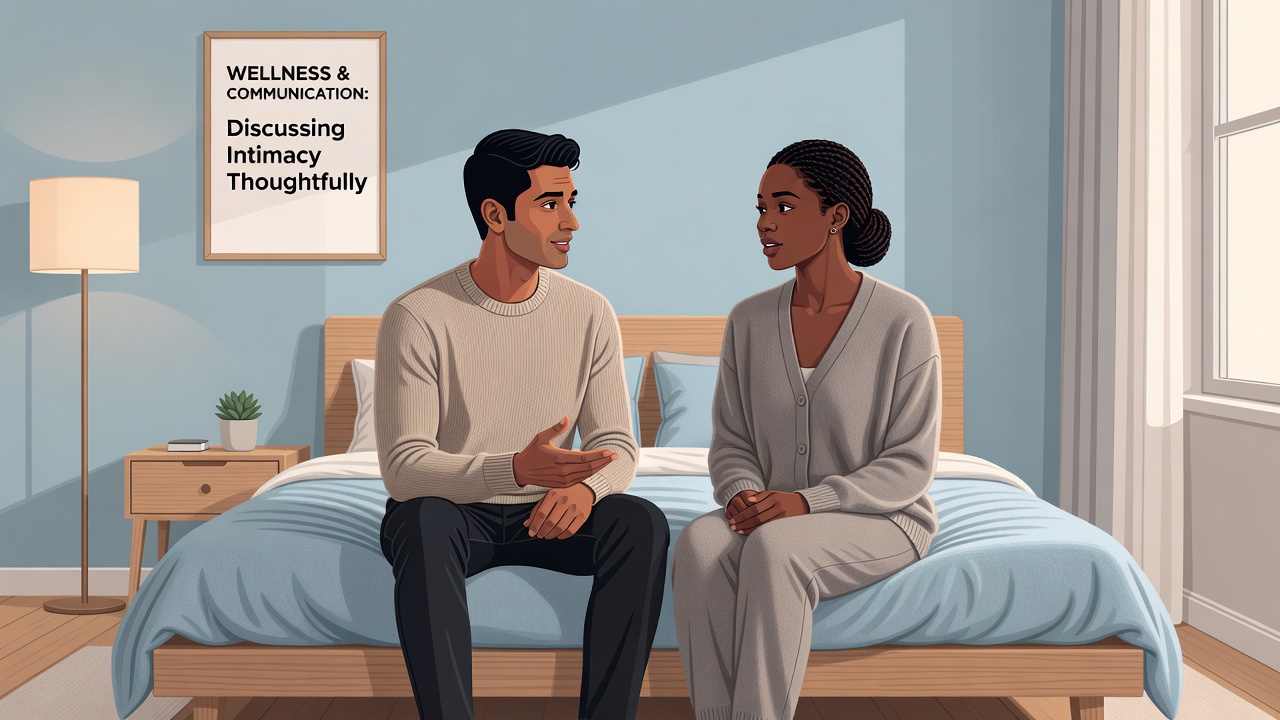
Schedule dedicated talks outside the bedroom to discuss cycle observations without pressure. Use specific “I” statements such as “I notice more sensitivity mid-cycle and enjoy slower buildup then” rather than vague complaints. Establish pre-activity check-ins like “How is your body feeling today?” and ongoing consent signals during intimacy. Partners can support by learning basic phase information together and offering flexibility, such as suggesting alternatives when one person feels less inclined toward certain acts. Written notes or shared app access can further strengthen understanding over time.
Step-by-Step Examples for Adjusting Intimacy Routines
- Map your cycle on a calendar or app for at least one full month, logging energy, mood, and desire daily.
- Note physical sensations like lubrication levels or cramp patterns alongside emotional states.
- Share key findings with your partner using concrete examples from recent cycles.
- Test one adapted technique per phase—such as external focus during menstruation—and record immediate and next-day feedback.
- Refine the approach monthly, incorporating new observations and adjusting for life stressors.
Safety Considerations and STI Prevention
Regardless of cycle phase, consistent barrier use like condoms or dental dams remains important for STI prevention, as cervical mucus changes can sometimes facilitate transmission. Regular testing through clinics and open status discussions with partners reduce risks. During menstruation, extra attention to hygiene—such as washing hands and toys before and after—helps maintain comfort. Those using hormonal contraception should confirm its effectiveness with CDC guidelines rather than relying solely on cycle tracking.
Frequently Asked Questions
Is period sex messy or unhygienic?
With simple preparation like towels, showers, and optional menstrual cups, it can be clean and even cramp-relieving for many. The key is mutual comfort rather than avoidance.
How do I track fertility without apps?
Daily observation of cervical mucus texture, basal body temperature upon waking, and cycle length history provides reliable estimates when combined consistently over several months.
What if hormones reduce my libido?
Shift focus to non-penetrative intimacy, stress-reducing activities like yoga, or professional support from a sex-positive therapist. Individual responses vary widely.
Can cycle awareness improve long-term sexual satisfaction?
Yes, many users report better timing of activities, reduced performance pressure, and stronger partner communication after three to six months of mindful tracking.
Conclusion
Integrating cycle awareness into sexual wellness fosters deeper connection, reduced discomfort, and sustained satisfaction. By applying these evidence-based techniques, maintaining open dialogue, and prioritizing safety, individuals and couples build healthier intimate experiences throughout the year. For continued learning, refer to authoritative resources such as World Health Organization and Mayo Clinic on reproductive and sexual health topics.

No comments yet. Be the first!