 Spicy Trip
Understanding Alcohol's Influence on Sexual Wellness
Alcohol remains one of the most commonly used substances worldwide, yet its effects on intimacy are frequently misunderstood. This comprehensive guide explores the physiological, psychological, and relational aspects of alcohol in sexual contexts, providing balanced education for beginners seeking clarity on health and decision-making in 2026. Many people turn to alcohol to ease social anxiety or enhance connection, but the reality involves complex interactions between the body and mind that can either support or hinder satisfying experiences.
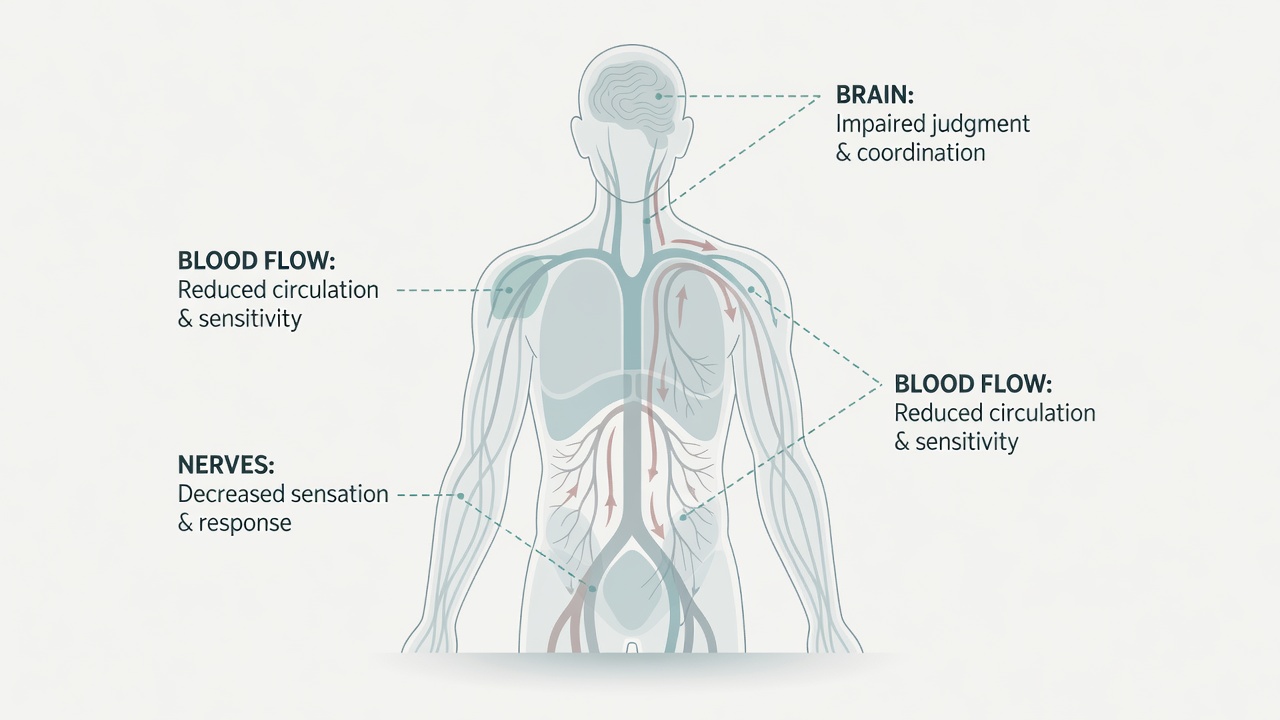
From a scientific standpoint, alcohol acts as a central nervous system depressant. Even small amounts can alter blood flow, hormone levels, and sensory perception, directly influencing arousal and performance. Research from institutions like the World Health Organization highlights how these changes vary widely based on dosage, individual tolerance, and context. Understanding these mechanisms helps individuals make informed choices rather than relying on assumptions.
Key Anatomical and Physiological Impacts
Alcohol affects multiple systems critical to sexual response. It increases blood flow initially, which some perceive as heightened sensation, but it simultaneously impairs nerve signaling. In men, this often leads to delayed erection or difficulty maintaining one due to reduced sensitivity in penile tissues. In women, lubrication may decrease despite subjective feelings of relaxation, as alcohol interferes with natural arousal responses in the genital area.
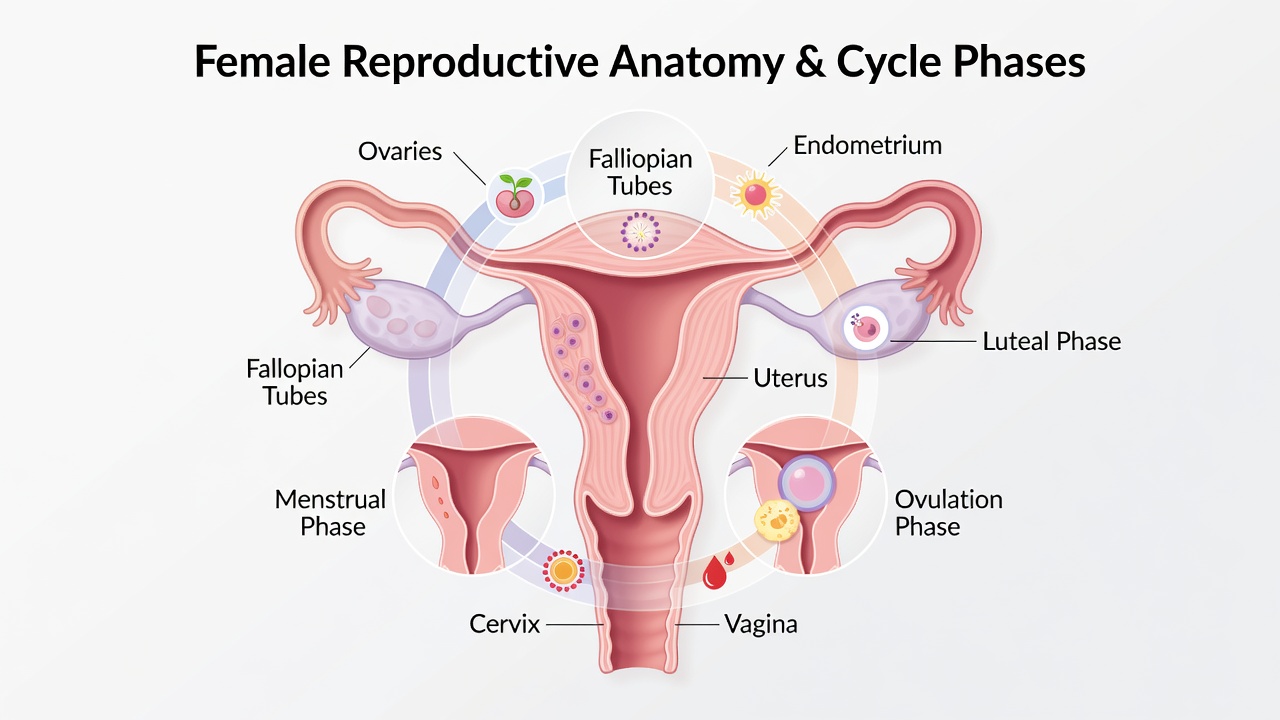
Hormonal shifts occur as well. Chronic or heavy intake can lower testosterone and estrogen balance over time, reducing libido. Acute consumption disrupts the brain's reward pathways, making genuine connection feel muted even when desire is present. The liver processes alcohol at a steady rate of roughly one standard drink per hour, meaning excess builds up quickly and amplifies these effects. Blood pressure fluctuations and dehydration further compound physical challenges during intimate moments.
Debunking Popular Myths with Current Insights
One widespread myth claims alcohol is a reliable aphrodisiac. In reality, while it lowers inhibitions, it often reduces physical responsiveness. Studies consistently show performance declines after two to three standard drinks. Another misconception suggests alcohol improves consent clarity. The opposite holds true: impaired judgment frequently leads to misreading signals. Educational resources from the Centers for Disease Control and Prevention emphasize that clear consent requires sobriety.
Additional myths include the idea that alcohol always increases stamina or eliminates performance anxiety permanently. Evidence shows temporary relief from worry often gives way to greater difficulties with arousal and orgasm. A third common belief holds that mixing alcohol with other substances enhances pleasure safely; however, this combination raises risks of unpredictable reactions and reduced bodily control.
Moderate Versus Excessive Use: Real-Life Contrasts
Moderate consumption—defined as one drink or less per hour—may create mild relaxation without major impairment. Many report feeling more socially at ease, yet physical arousal remains comparable to sober states. For example, a person enjoying a single glass of wine during a date might notice easier conversation flow while still experiencing full sensory feedback during later intimacy.
Excessive intake, by contrast, frequently results in numbness, erectile difficulties, or absent orgasms. Real-life examples include individuals who feel confident approaching partners after several drinks but later experience regret or physical frustration when their bodies do not respond as expected. These scenarios underscore why pacing matters and why tracking consumption helps maintain positive outcomes.
Navigating Consent Challenges
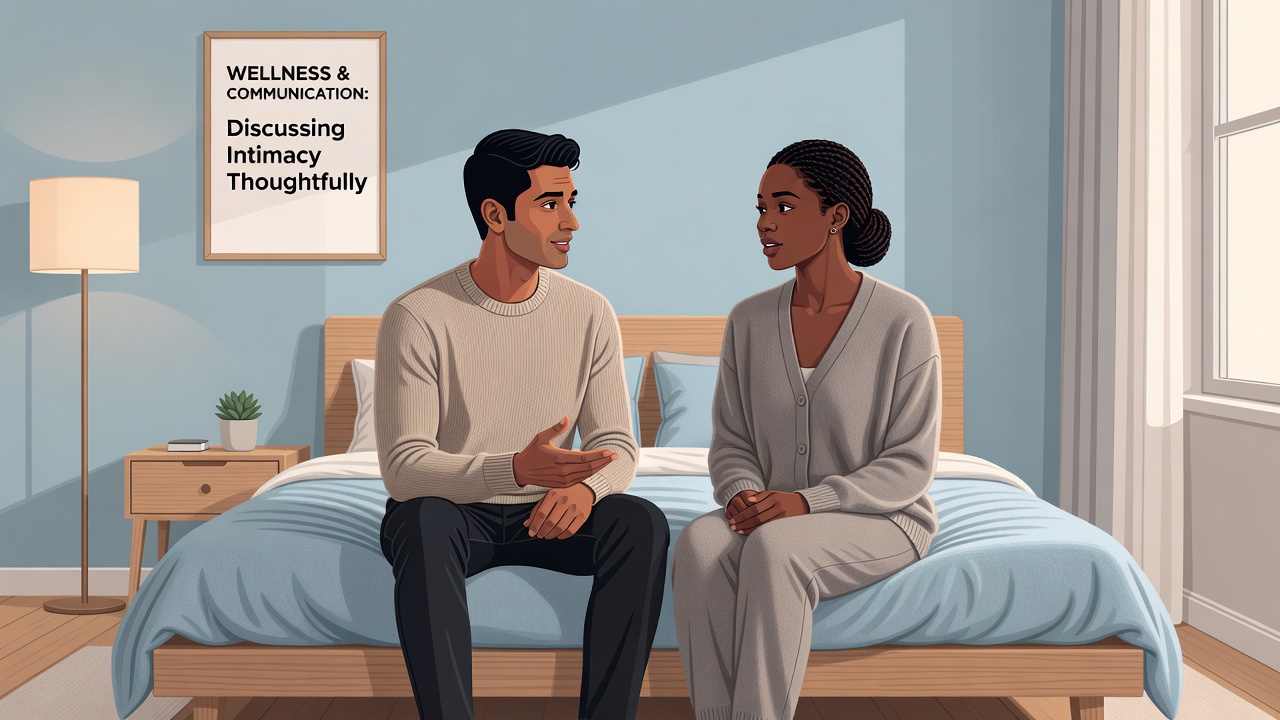
Consent must remain enthusiastic and ongoing. Alcohol clouds the ability to read nonverbal cues or articulate boundaries clearly. Partners should establish explicit agreements beforehand and check in regularly, regardless of consumption levels. Practical step: Agree on a shared signal or phrase that means “pause and reassess” before any drinking begins. This simple protocol protects everyone involved and reduces misunderstandings that can arise in altered states.
Another example involves group settings where multiple people are drinking. Designating a sober friend or using a pre-agreed check-in app can add an extra layer of safety. Education on recognizing signs of intoxication in oneself and others becomes essential for responsible intimacy.
Performance Myths and Realistic Expectations
Many assume alcohol guarantees better stamina. Evidence shows the reverse after moderate levels: sensitivity decreases and climax becomes harder to achieve. Comparing sober and altered experiences reveals that sober encounters often allow deeper emotional presence and stronger physical feedback. Individuals who experiment with both report that sober sex frequently feels more connected and satisfying over time, while alcohol-influenced encounters can feel fragmented or forgettable.
Step-by-Step Tips for Mindful Consumption
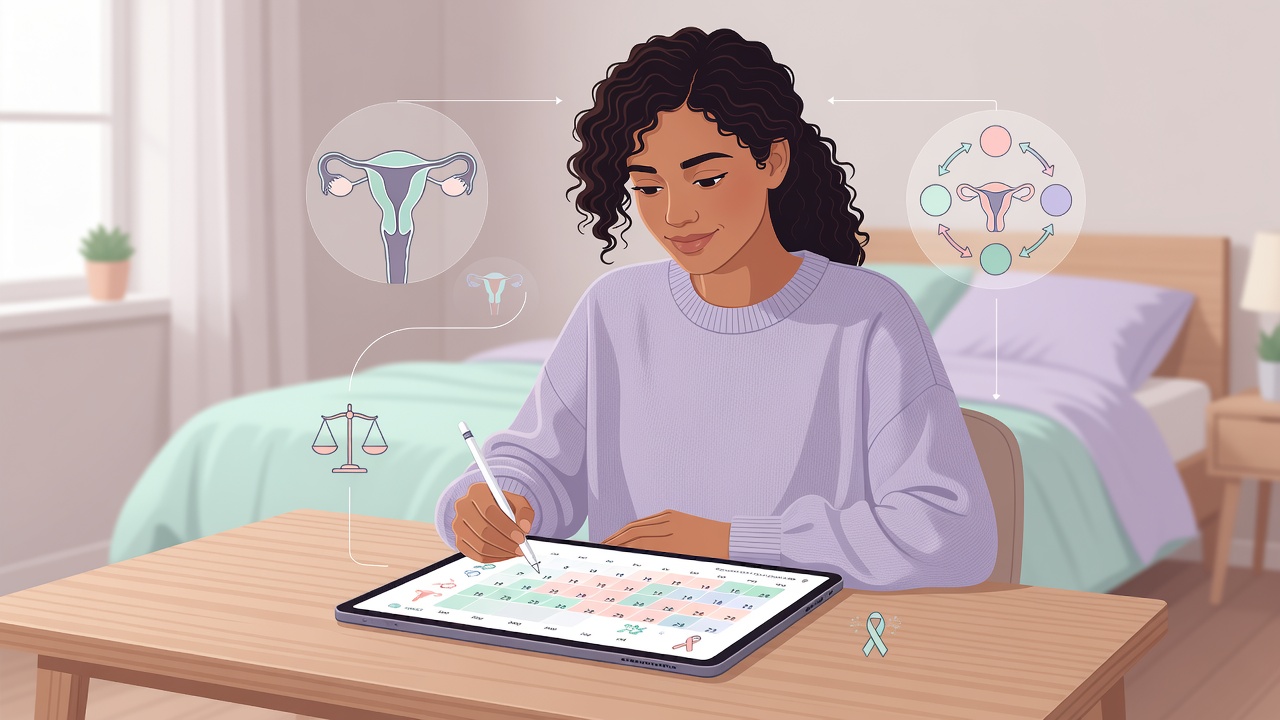
- Set a personal limit before the evening starts and track drinks with a timer app to avoid accidental overconsumption.
- Alternate every alcoholic beverage with water to maintain hydration and slow absorption, reducing next-day effects on energy and mood.
- Eat a balanced meal beforehand to moderate blood-alcohol rise and support stable energy levels throughout the night.
- Communicate your limit openly with your partner to foster accountability and mutual respect for boundaries.
- Have non-alcoholic options readily available to switch without pressure, allowing flexibility if the mood shifts.
- Plan transportation or overnight arrangements in advance so safety remains a priority even if plans change.
Safer Alternatives for Intimacy
Exploring non-alcoholic rituals can enhance connection. Try shared mindfulness exercises, sensual massage without substances, or low-stakes date activities that build anticipation naturally. These approaches often yield more satisfying outcomes than relying on alcohol. For instance, couples might practice deep breathing together or explore sensory play with music and lighting to create heightened awareness without chemical influence.
How to Discuss Alcohol and Intimacy with Partners
Open conversations reduce awkwardness. Start by sharing personal observations about past experiences in a non-blaming way. Use phrases such as “I noticed I feel more present when we limit drinks” to invite dialogue. Resources from the Mayo Clinic offer guidance on healthy relationship communication that applies directly here.
Short FAQ
Does alcohol ever improve sex?
Small amounts may reduce anxiety for some, but physical performance typically suffers beyond one drink, leading to diminished sensation and coordination.
How long should I wait after drinking before intimacy?
Allow at least two hours per standard drink for clearer judgment and better physical response, giving the body time to metabolize effects.
Can sober sex feel as exciting?
Many people report deeper sensations and stronger emotional bonds when fully present without substances, often describing greater satisfaction and recall.
What if my partner prefers drinking before sex?
Discuss compromises such as starting with fewer drinks or exploring alcohol-free evenings together to discover mutual preferences.
Are there long-term risks to regular alcohol use before intimacy?
Consistent heavy use can affect hormone levels and overall sexual health over months or years, according to ongoing studies from health authorities.
Conclusion
Understanding alcohol’s nuanced effects empowers better choices around intimacy. By separating fact from myth and prioritizing consent and mindfulness, individuals can enjoy healthier, more fulfilling sexual experiences in 2026 and beyond. Experimenting with moderation or sober alternatives provides valuable personal insights that support lasting wellness.
No comments yet. Be the first!