 Spicy Trip

Introduction to Mindfulness in Sexual Awareness
In 2026, integrating mindfulness into foundational sex education continues to gain recognition for improving sexual health outcomes across diverse populations. This approach emphasizes present-moment awareness during intimacy, helping individuals connect more deeply with their bodies and partners. Whether you are new to the concept or seeking practical tools, these techniques build on core practices like focused breathing and body scanning to foster greater sensory connection and reduce common barriers such as performance anxiety. Mindfulness involves paying deliberate attention to the present without judgment. When applied to sexual experiences, it shifts focus from outcomes to sensations, creating space for more fulfilling encounters. Research from organizations like the World Health Organization highlights the importance of holistic sexual health education that includes mental and emotional components alongside physical ones.
Many beginners find that traditional sex education overlooks the mental aspects of intimacy, leading to disconnection or stress. By incorporating mindfulness, individuals can address this gap effectively. This comprehensive guide explores how these practices work in real life, offering step-by-step guidance tailored for those starting their journey toward enhanced sexual awareness and well-being.
Core Practices: Focused Breathing and Body Scanning
Focused breathing forms the foundation of sexual mindfulness and can be practiced anywhere. Begin by sitting or lying comfortably and directing attention to your breath. Inhale slowly for four counts, hold for four, and exhale for six. This pattern calms the nervous system and prepares the mind for intimacy by reducing overall tension. Repeat this cycle for five to ten minutes daily to build the habit before applying it during partnered activities.
Body scanning complements breathing by guiding awareness through different body parts. Start at the crown of the head and move downward, noting sensations without trying to change them. During intimate moments, this practice enhances sensory connection by highlighting areas of pleasure or tension that might otherwise go unnoticed. For example, one might discover subtle warmth in the chest or tingling in the fingertips that contribute to overall arousal. Practicing this alone first helps develop the skill before sharing it with a partner.
Reducing Performance Anxiety Through Mindfulness
Performance anxiety often stems from future-oriented worries about satisfaction or expectations. Mindfulness counters this by anchoring attention in the now. A simple exercise involves pausing during intimacy to name three physical sensations you notice, such as warmth, pressure, or sound. This interrupts anxious thought loops and redirects focus to the present. Real-world examples show couples who practice five minutes of shared breathing before intimacy report lower anxiety levels and greater enjoyment over time.
Compared to non-mindful approaches that emphasize performance metrics or scripted behaviors, mindfulness promotes acceptance and curiosity. Instead of worrying about achieving a specific outcome, partners learn to appreciate the unfolding experience. This shift can transform encounters from stressful to playful and connected.
Enhancing Sensory Connection
Sensory connection deepens when mindfulness is applied consistently over weeks or months. Try the following step-by-step exercise to build this skill gradually: 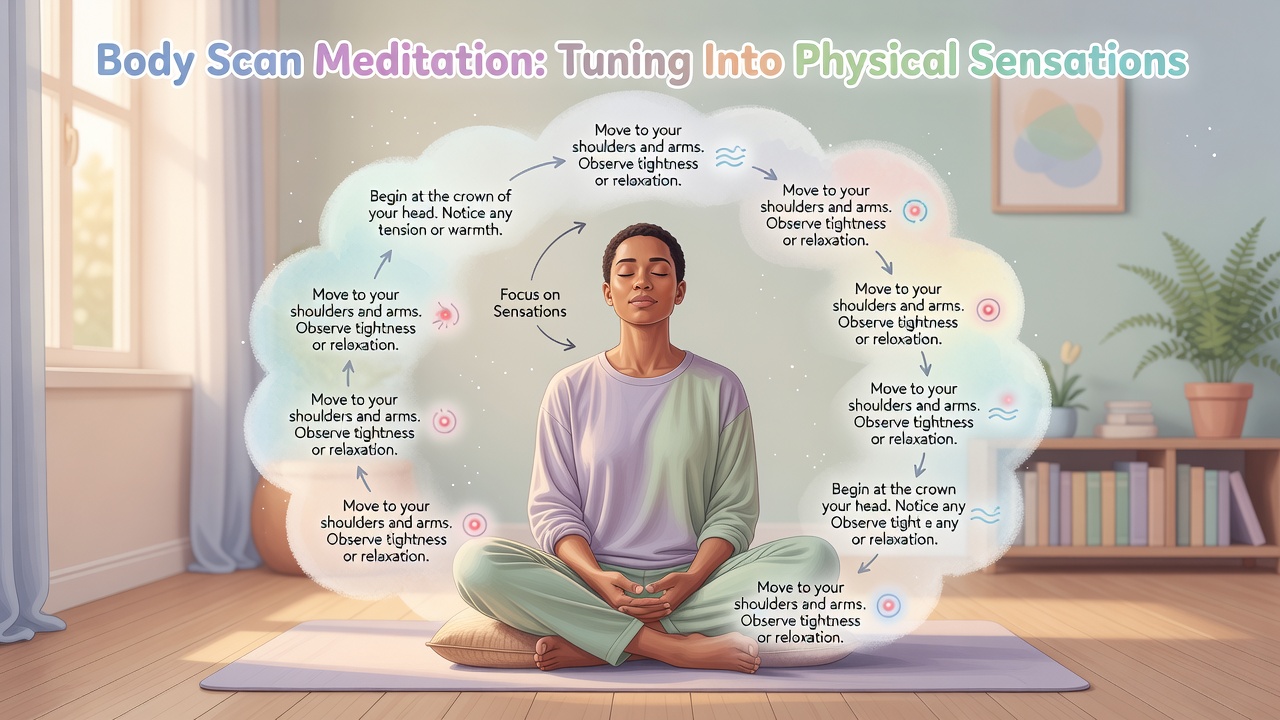
- Set aside 10 minutes in a private space free from distractions.
- Close your eyes and focus on breath for two minutes to center yourself.
- Gently explore touch on your own skin, noting temperature, texture, and pressure without judgment.
- Extend the practice with a partner by taking turns describing sensations verbally in a calm, supportive manner.
- Reflect afterward on how presence affected the overall experience.
This builds awareness that transfers to partnered intimacy, heightening pleasure through presence rather than distraction. Over time, individuals often notice improved emotional intimacy and physical responsiveness as a result.
Addressing Common Barriers
Barriers include racing thoughts, past negative experiences, or environmental distractions like noise or phones. To overcome them, create a dedicated space free from interruptions and use grounding phrases like "I am here now" whenever the mind wanders. Consistent daily practice, even outside the bedroom for just five minutes, strengthens the skill and makes it more automatic during intimate times.
Another barrier is self-criticism about not doing it "right." Mindfulness teaches that there is no perfect way; simply returning attention to the breath or body counts as progress. Addressing these obstacles head-on leads to more sustainable habits and better long-term sexual health outcomes.
Practical Step-by-Step Exercises
Exercise 1: Mindful Breathing During Foreplay – Inhale together with your partner, syncing breaths to build connection and reduce rushed feelings.
Exercise 2: Daily Body Scan – Spend five minutes each morning scanning for tension, releasing it with each exhale to carry calm into the day.
Exercise 3: Post-Intimacy Reflection – Journal three mindful observations from the experience to reinforce positive patterns and track progress over time.
Exercise 4: Sensory Focus During Solo Time – Apply the same awareness principles when alone to understand personal preferences better before sharing with others.
Comparisons with Non-Mindful Approaches
Non-mindful intimacy often involves multitasking thoughts or goal-oriented focus, which can diminish satisfaction and increase stress. In contrast, mindful methods foster curiosity and acceptance, leading to deeper connections. Studies and resources from sites like the Mayo Clinic support mindfulness for overall well-being, including relational and sexual health. Another useful reference is the National Institutes of Health, which explores mind-body techniques for improved quality of life.
Short FAQ on Daily Application
How do I start if I have never tried mindfulness? Begin with two minutes of breath awareness daily and gradually increase the duration.
Can these techniques work in long-term relationships? Yes, they refresh connection by encouraging ongoing presence and open communication.
What if distractions arise during practice? Gently return focus to breath without self-criticism, treating it as part of the process.
Is mindfulness suitable for all ages and experience levels? It is beginner-friendly and adaptable for anyone interested in improving sexual awareness.
Conclusion
Adopting mindfulness techniques for sexual awareness in 2026 offers accessible paths to improved intimacy and health. Through consistent practice of breathing, body scanning, and present-moment focus, individuals can overcome anxiety and deepen connections. Start small, remain patient, and integrate these tools into everyday life for lasting benefits that extend beyond the bedroom into overall wellness.

No comments yet. Be the first!