 Spicy Trip
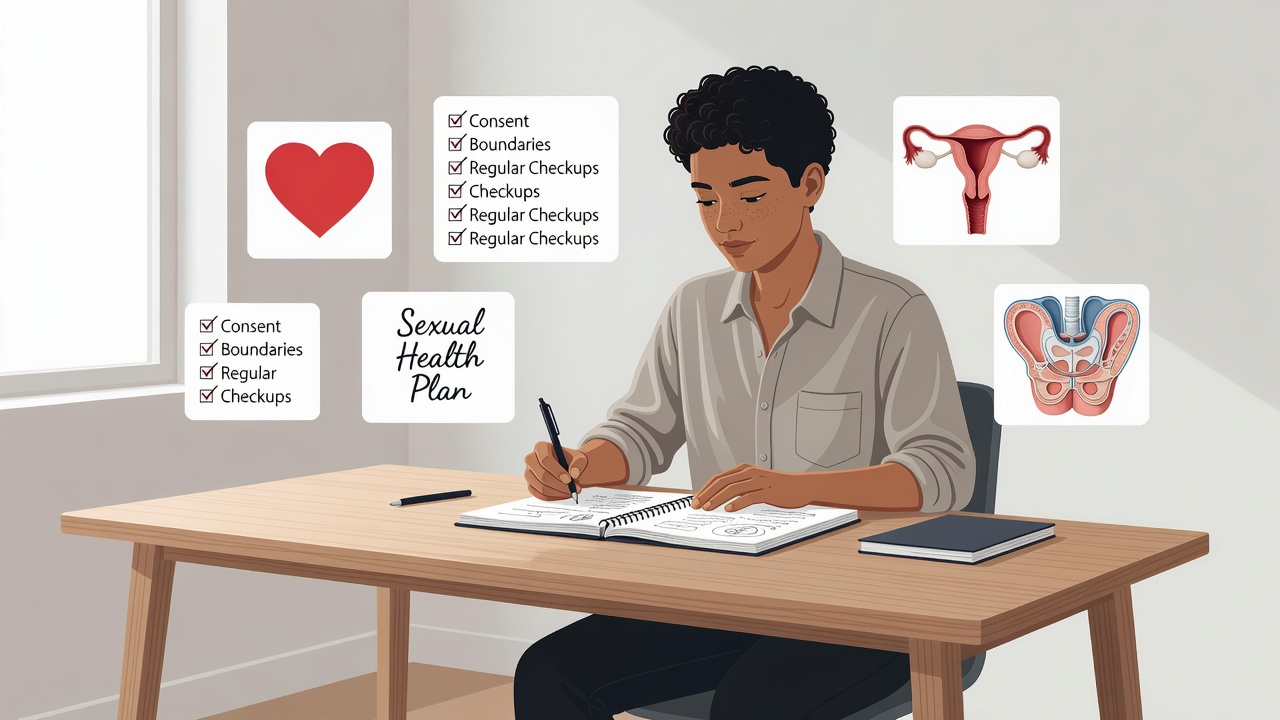
Introduction to Building a Personal Sexual Health Plan
Creating a personal sexual health plan in 2026 empowers individuals to take control of their wellness journey. This beginner guide draws on core sex education principles to help you assess your current knowledge, set meaningful goals, and track progress effectively. Whether you are new to the topic or refining existing habits, a structured approach leads to better outcomes and greater confidence. Sexual health is not a one-size-fits-all concept; it evolves with life stages, relationships, and personal discoveries. By dedicating time to build a customized plan, you lay the groundwork for improved physical comfort, emotional satisfaction, and informed decision-making throughout the year.
Sexual health encompasses physical, emotional, and relational aspects. According to the World Health Organization, it involves a positive approach to sexuality and relationships free from coercion or discrimination. Starting your plan with accurate information sets a strong foundation. Many people overlook how interconnected sexual wellness is with overall mental health, stress levels, and daily routines, making a holistic plan essential for long-term success.
Self-Assessment of Anatomy Knowledge
Begin by evaluating what you already know about anatomy. Use reliable resources to identify gaps in understanding reproductive systems, erogenous zones, and common health indicators. A simple self-quiz can reveal areas needing attention, such as recognizing signs of infections or understanding hormonal influences. For instance, create a checklist covering basic terms like the clitoris, prostate, cervix, and vas deferens, then rate your confidence level on each from one to five. This exercise often highlights surprising blind spots even among those who consider themselves informed.
For example, list five key facts you believe are true about anatomy, then verify them against trusted medical sites like the Centers for Disease Control and Prevention. This step often uncovers misconceptions that can be addressed early. Consider scheduling a private session with an educational video series or interactive anatomy app to deepen your understanding without pressure. Repeat the assessment monthly to measure growth and adjust focus areas accordingly.
Identifying Areas for Improvement in Techniques
Once you have assessed your knowledge base, pinpoint specific techniques that could enhance your experiences. Focus on communication skills, safer sex practices, and mindfulness during intimate moments. Real-life examples include practicing active listening with a partner or experimenting with different lubrication options to improve comfort. Another practical approach involves role-playing conversations about boundaries in low-stakes settings, such as during a relaxed evening walk, to build comfort before applying them in more intimate scenarios.
Track these areas in a private journal. Note any discomfort or uncertainty, then research evidence-based solutions. This targeted approach prevents overwhelm and promotes steady progress. Pay special attention to consent practices and non-verbal cues, as these frequently emerge as high-impact areas for beginners. Over time, documenting small improvements creates a motivational record of your development.
Setting Wellness Goals for 2026
Effective goal-setting transforms vague intentions into actionable steps. Use the SMART framework: specific, measurable, achievable, relevant, and time-bound. An example goal might be "Schedule monthly check-ins with a healthcare provider by March 2026 to discuss STI prevention." Another could involve dedicating fifteen minutes daily to reading verified sexual health resources or practicing pelvic floor exercises three times weekly.
Break larger objectives into smaller milestones. Celebrate small wins, such as completing a week of consistent habit tracking, to maintain motivation throughout the year. Write your goals in both short-term and annual formats, then revisit them during quarterly reviews to ensure alignment with changing circumstances like new relationships or health updates.
Integrating Myth-Busting Facts
Myths about sexual health persist in popular culture. Integrate accurate facts by reviewing common misconceptions, such as the idea that certain positions guarantee pregnancy prevention or that only certain body types experience pleasure. Replace these with verified information from health authorities. A weekly myth-busting ritual might involve selecting one widely shared belief, researching its origins, and replacing it with three evidence-based counterpoints.
Include one myth-busting session per week in your plan. Discuss findings with trusted friends or professionals to reinforce learning and reduce stigma. Common myths to target early include assumptions about STI transmission through casual contact or the belief that arousal always follows a linear pattern. Documenting these corrections in your journal helps internalize accurate knowledge over time.
Daily Habit Tracking Methods
Consistent tracking turns plans into lasting routines. Use a simple app or notebook to log activities like hydration, stress management, and boundary-setting conversations. Review entries weekly to adjust as needed. Methods range from bullet journaling with color-coded categories to digital spreadsheets that automatically calculate weekly averages for metrics such as sleep quality or communication frequency.
Real-life example: A 32-year-old professional tracks sleep quality alongside intimacy frequency and notices patterns that improve overall energy levels. Incorporate visual elements like habit streaks or simple graphs to maintain engagement. Adjust your tracking system seasonally to reflect new priorities, such as adding allergy-related considerations during spring months.
Step-by-Step Instructions with Examples
- Week 1: Complete a full anatomy self-assessment using diagrams from educational sites and rate your knowledge gaps.
- Week 2: Define three wellness goals and share one with a supportive partner or mentor for accountability.
- Week 3: Research and debunk two myths, then apply new knowledge in daily reflection exercises.
- Week 4: Establish a tracking system and monitor initial results while noting any needed tweaks.
- Week 5-8: Introduce one new technique or resource each week, such as mindfulness meditations or safer-sex supply inventories.
Adjust the timeline based on your lifestyle for sustainable implementation. Document challenges encountered during each phase and brainstorm solutions in advance to stay on track.
Comparison of Different Plan Styles
| Plan Style | Focus Areas | Best For | Tracking Method |
|---|---|---|---|
| Minimalist | Core habits only | Busy individuals | Weekly notes |
| Comprehensive | Anatomy, goals, myths, habits | Detail-oriented learners | Daily logs + monthly reviews |
| Partner-Inclusive | Communication and shared goals | Couples | Joint journals |
Choose a style that aligns with your current needs and evolve it over time. The minimalist style suits those with limited time while still delivering foundational benefits, whereas the comprehensive approach provides deeper insights for those with more availability.
Potential Challenges and Solutions
Building a sexual health plan is rarely linear. Common challenges include time constraints, emotional discomfort when confronting personal gaps, and difficulty maintaining consistency. Solutions involve setting micro-habits, such as five-minute daily reviews, or pairing new routines with existing ones like morning coffee. Seeking support from online communities or professional counselors can also provide accountability without judgment.
Another frequent obstacle is information overload. Combat this by limiting research to one trusted source per week and summarizing key takeaways in your own words before moving forward.
Practical FAQ Section
How often should I update my sexual health plan?
Review quarterly or after major life changes to keep it relevant and effective.
What if I feel uncomfortable discussing certain topics?
Start with private reflection and gradually incorporate professional resources or support groups.
Can beginners really benefit without prior experience?
Absolutely. The step-by-step structure is designed specifically for those starting fresh in 2026.
Should I involve a partner in my plan?
Only if it feels right; many people begin solo and later decide to share elements as trust develops.
How do I measure progress objectively?
Use both qualitative reflections and quantitative logs, such as noting improved comfort levels or reduced anxiety around certain topics.
Conclusion and Ongoing Adjustments
Building your personal sexual health plan creates lasting benefits through consistent self-awareness and informed choices. Revisit this guide regularly, celebrate progress, and refine your approach to match evolving needs. This proactive mindset supports a fulfilling and healthy 2026 and beyond. Remember that flexibility is key; what works today may need adjustment as circumstances change, ensuring your plan remains a living document rather than a rigid checklist.


No comments yet. Be the first!