 Spicy Trip

Introduction to Kegel Exercises
Kegel exercises, also known as pelvic floor muscle training, offer a simple yet powerful way to strengthen the muscles supporting the bladder, uterus, rectum, and prostate. For beginners interested in sexual health and core wellness, these exercises form an essential part of modern sex education routines in 2026. By targeting the pelvic floor, individuals can experience improved arousal, stronger orgasms, and better control over incontinence issues. This comprehensive guide provides anatomy-based, actionable advice tailored for newcomers seeking practical integration into daily life without requiring expensive equipment or prior experience.
The growing emphasis on proactive sexual wellness in 2026 highlights how Kegels complement broader education on body awareness and intimacy. Unlike passive approaches, these targeted contractions empower users to take charge of their physical responses during both solo and partnered activities. Beginners often start with basic awareness before progressing to advanced applications that enhance overall quality of life.
Understanding Pelvic Floor Anatomy
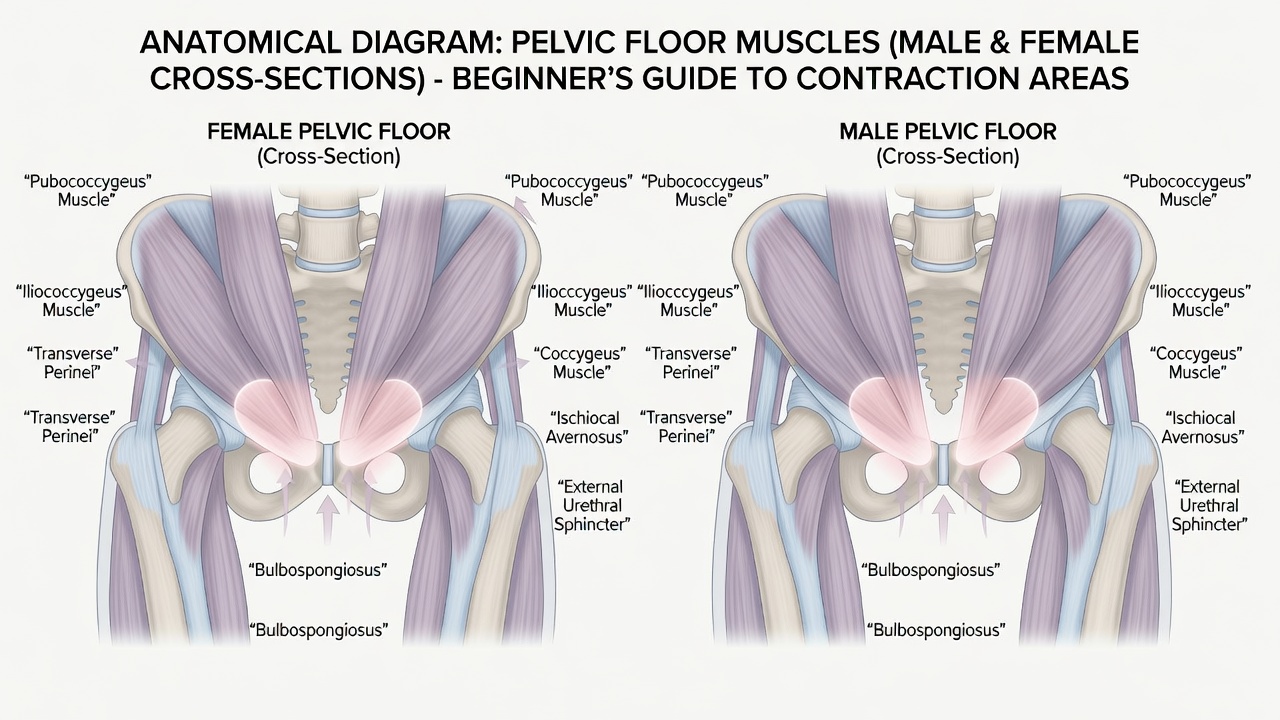
The pelvic floor consists of a group of muscles and connective tissues that span the bottom of the pelvis like a hammock. These muscles include the pubococcygeus, iliococcygeus, and ischiococcygeus, which play vital roles in sexual function, urination, and bowel control. In women, they support the bladder, uterus, and rectum; in men, they support the bladder, prostate, and rectum. Weakness here can lead to reduced sensation during intimacy or leakage during physical activity such as coughing or exercising.
Visualizing the anatomy helps beginners connect the dots between muscle engagement and real-world benefits. The pelvic floor works in coordination with the diaphragm and deep core muscles, creating a stable foundation for posture and movement. Mayo Clinic emphasizes that identifying these muscles correctly is the first step toward effective training. Anatomical awareness helps beginners visualize the contractions needed for optimal results. Additional resources from health authorities further explain how these muscles interact with the nervous system to regulate both voluntary and involuntary functions.
Key Benefits for Sexual Health and Beyond
Regular Kegel practice enhances blood flow to the pelvic region, leading to heightened arousal and more intense orgasms for all genders. Research shows improved erectile function in men and greater vaginal tone in women. Additionally, these exercises help prevent urinary incontinence, a common concern after childbirth or with aging. They also support core stability and can reduce pelvic pain over time when performed consistently.
Enhanced Arousal and Orgasm Intensity
Stronger pelvic floor muscles increase sensitivity by improving circulation and muscle tone around erogenous zones. Many beginners report noticeable differences in lubrication and climax strength within the first month. For example, women may experience more powerful contractions during orgasm, while men often find better ejaculatory control that prolongs pleasure.
Incontinence Prevention and Core Stability
Beyond intimacy, Kegels reduce leaks during daily activities. This benefit is especially relevant for new parents or those over 40. The exercises also contribute to better posture and reduced lower back strain by reinforcing the body's central support system.
Step-by-Step Technique for Beginners
Follow these instructions to perform Kegels correctly:
- Locate the right muscles: Imagine stopping urine midstream or tightening to prevent passing gas. These are your pelvic floor muscles. Practice identification while seated or lying down to avoid confusion with surrounding areas.
- Start in a comfortable position, such as lying down or sitting with feet flat on the floor. Avoid standing until you master the basic contraction.
- Contract the muscles for 3–5 seconds, then relax for the same duration. Focus on a smooth squeeze-and-release motion without jerking.
- Repeat 10–15 times per set, aiming for three sets daily. Example: Perform one set after breakfast, one during lunch break, and one before bed.
- Breathe normally and avoid tensing your abdomen, thighs, or buttocks. A common beginner error is holding breath, so consciously exhale during each contraction.
Progress gradually by holding contractions longer as strength builds, eventually reaching 10-second holds with equal rest periods.
Common Mistakes to Avoid
- Overdoing contractions without rest periods, which can cause fatigue or temporary soreness similar to overworking any other muscle group.
- Holding your breath instead of breathing steadily, which reduces oxygen flow and effectiveness.
- Using incorrect muscles like the glutes or abs, leading to minimal pelvic floor engagement and wasted effort.
- Expecting instant results—consistency over weeks is key, with most users seeing changes around week four.
- Ignoring pain; stop and consult a professional if discomfort occurs, as this may indicate improper form or an underlying condition.
Gender-Specific Variations
For women, focus on quick flicks and long holds to target vaginal and uterine support. Incorporate variations such as elevator Kegels, where you imagine lifting the muscles in stages like floors of a building. Men can incorporate reverse Kegels, which involve gently pushing as if starting urination, to balance the pelvic floor and improve prostate health. Both genders benefit from integrating exercises into daily activities like brushing teeth or commuting. Beginners with higher fitness levels may add resistance through biofeedback devices after mastering bodyweight versions.
Simple Daily Routines and Progress Tracking
Begin with morning, afternoon, and evening sessions of 10 repetitions each. A sample weekly schedule includes Monday through Friday focusing on endurance holds, while weekends incorporate quick flicks for speed. Track progress in a journal by noting hold times and any changes in sensation or control. After four to six weeks, reassess strength by attempting to stop urine flow briefly during urination (as a test only, not a regular practice). Combine with overall fitness for best outcomes, such as pairing sessions with yoga or walking. Many users find smartphone reminders helpful for building the habit until it becomes automatic.
Safety Considerations and FAQ
Kegels are generally safe but consult a healthcare provider before starting if you have pelvic pain, recent surgery, or are pregnant. Over-tightening without guidance may worsen symptoms in some cases. Always prioritize form over quantity to prevent strain.
Frequently Asked Questions
How soon will I see results? Most beginners notice improvements in control and sensation within 4–8 weeks of consistent practice, with continued gains over several months.
Can Kegels replace medical treatment? They complement professional care but are not a substitute for issues like severe incontinence or diagnosed pelvic floor disorders.
Are there tools to help? Weighted cones or apps can assist tracking, though bodyweight exercises suffice for most starters. Free resources from health organizations provide additional guidance.
Is it safe during pregnancy? Yes, with medical approval, as they prepare the body for labor and recovery while supporting overall pelvic stability.
Should I do Kegels every day? Daily practice is ideal for beginners, but listen to your body and take rest days if fatigue sets in.
Can men and women perform the same exercises? The core technique is similar, yet gender-specific variations optimize results based on anatomical differences.
By incorporating these practices into your routine, you invest in long-term sexual health and wellness. Start today for noticeable benefits that extend far beyond the bedroom.

No comments yet. Be the first!