 Spicy Trip
Introduction to Lubricants for Beginners
Choosing the right lubricant can significantly enhance comfort, pleasure, and safety during intimate activities. In this 2026 beginner guide, we explore the main lubricant types, their suitability for different anatomies and activities, and essential safety practices. Whether you're new to personal lubricants or refreshing your knowledge, understanding these basics helps prevent irritation and supports overall sexual wellness. Many beginners overlook how the correct formula reduces friction-related discomfort and can even help maintain natural moisture levels over time. This guide goes beyond basic definitions to provide actionable advice drawn from common user experiences and established health recommendations.
Understanding the Main Lubricant Types
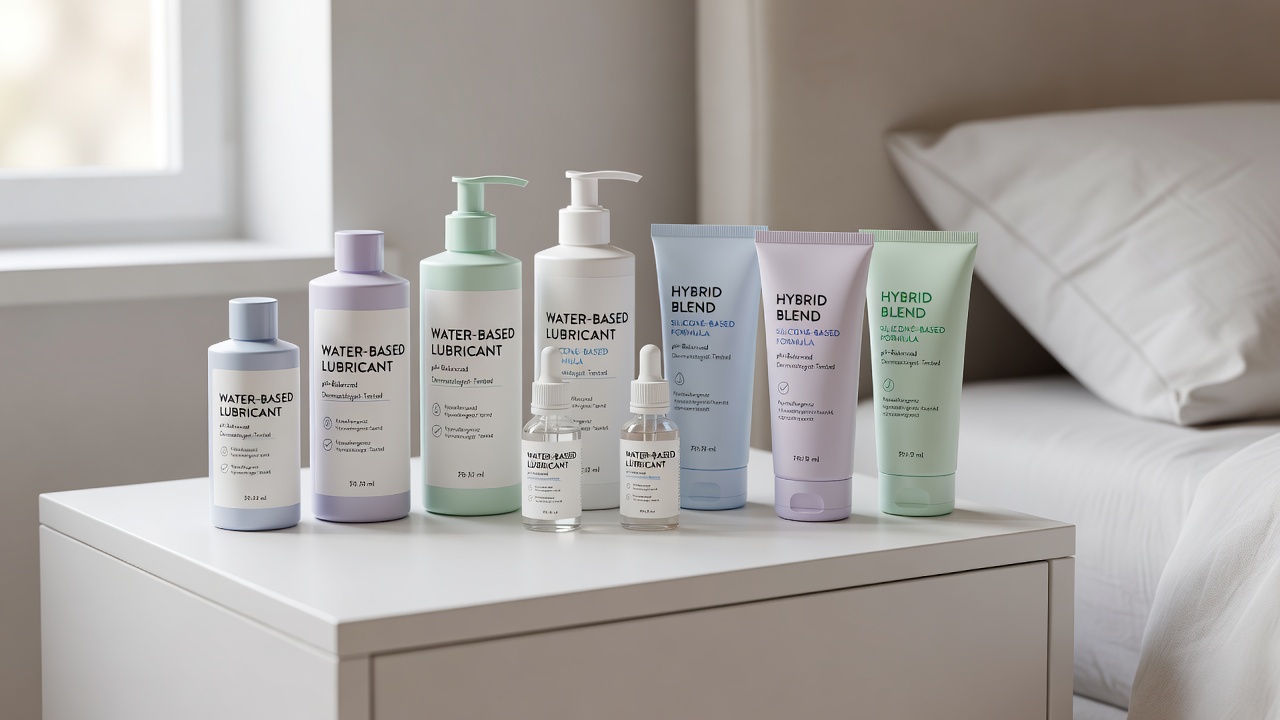
Personal lubricants fall into three primary categories: water-based, silicone-based, and hybrid formulas. Each offers distinct advantages depending on your needs, body type, and the specific activity planned. Understanding these differences empowers better decision-making and helps avoid unnecessary irritation or product waste.
Water-Based Lubricants
Water-based options are the most versatile and beginner-friendly. They feel natural, wash off easily, and pair well with most toys and condoms. Pros include affordability and minimal residue; cons involve quicker drying, often requiring reapplication during longer sessions. They suit vaginal and anal use but may not provide long-lasting glide for extended play. For individuals with sensitive skin or those prone to yeast infections, water-based formulas without glycerin are often preferred because they are less likely to disrupt the body's natural environment. In practice, a beginner using water-based lube for the first time might notice it absorbs into the skin faster during penetrative sex, making it ideal for shorter encounters but less optimal for marathon sessions.
Silicone-Based Lubricants
Silicone formulas deliver superior longevity and a silky texture that resists drying. They excel in water activities like showers. However, they can damage silicone toys and require careful cleanup with soap. Ideal for anal play or when extended moisture is needed, they are less suitable for sensitive skin prone to buildup. Users with allergies to certain silicones should patch-test first. Real-world feedback shows silicone-based products shine during outdoor or aquatic adventures where water resistance matters most, providing consistent glide without constant reapplication.
Hybrid Lubricants
Hybrids combine water and silicone for balanced performance. They offer better staying power than pure water-based products while remaining easier to clean than full silicone versions. These work well across various activities but check individual ingredients for allergies. Hybrids often appeal to couples who switch between different types of play in one session, offering a middle-ground solution that reduces the need to switch products mid-activity.
Quick Comparison Table
| Type | Best For | Condom Safe | Toy Safe | Longevity |
|---|---|---|---|---|
| Water-Based | Beginners, vaginal use | Yes | Yes | Short |
| Silicone-Based | Anal, shower play | Yes | No (silicone toys) | Long |
| Hybrid | Versatile activities | Yes | Most | Medium |
Condom and Toy Compatibility
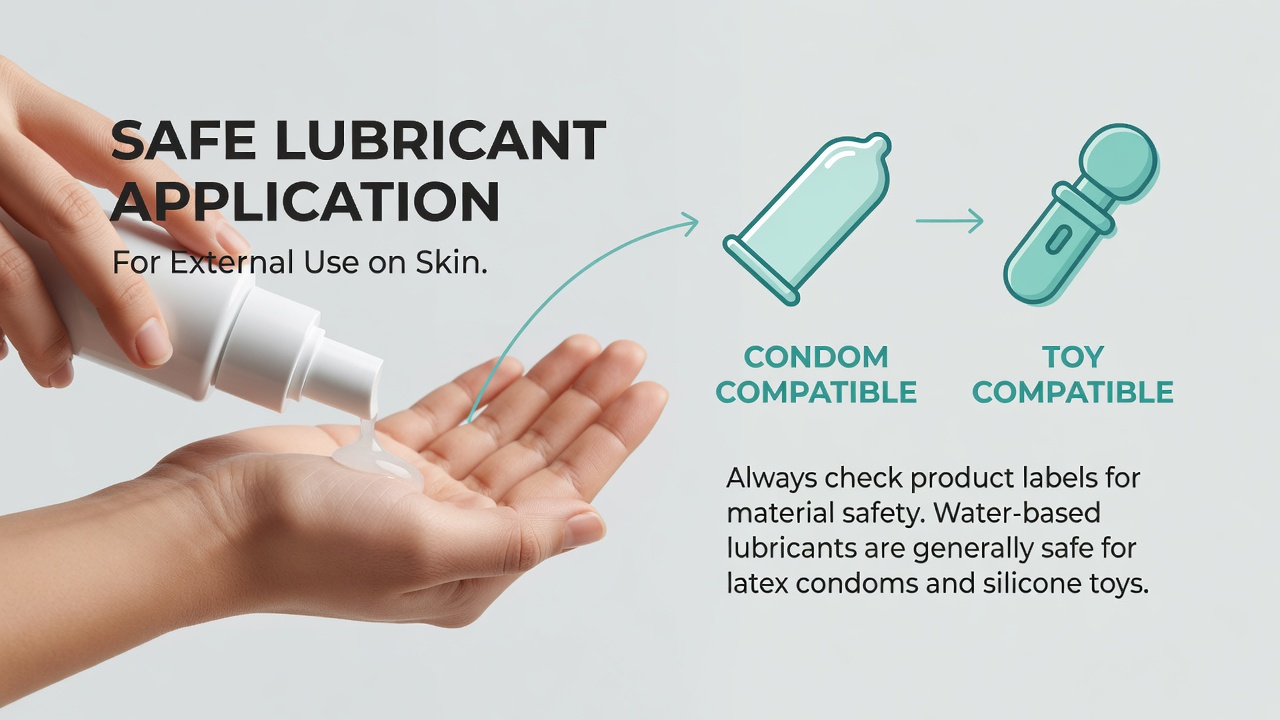
Always verify compatibility to avoid breakage or damage. Water-based and hybrid lubricants are generally safe with latex condoms, while silicone-based options also work but should never be used with silicone toys. For example, a couple using latex condoms for penetrative sex can confidently choose water-based lube without worry. The Centers for Disease Control and Prevention emphasizes proper lubricant selection to maintain barrier protection. When using toys, inspect the material label—porous toys like some jelly or rubber varieties absorb silicone and become difficult to sanitize, while non-porous glass or stainless steel pairs safely with any type. Beginners should start with water-based to minimize risk while learning preferences.
pH Balance Considerations
Maintaining vaginal pH between 3.8 and 4.5 supports healthy flora. Opt for lubricants labeled as pH-balanced to reduce infection risk. Anal use has fewer pH concerns but benefits from thick, long-lasting formulas. Sensitive users should avoid glycerin-heavy products that may disrupt natural balance. Checking product labels or manufacturer websites for pH information is a simple step that prevents common issues like bacterial vaginosis. Some brands now include pH indicators on packaging, making selection easier for first-time buyers concerned about long-term vaginal health.
Step-by-Step Application Guide
- Start with clean hands and genitals to prevent introducing bacteria.
- Apply a small amount to the desired area or directly onto the condom or toy, beginning with a pea-sized portion and adding more as needed.
- Reapply as needed, especially with water-based formulas during longer sessions or when natural moisture decreases.
- Test a new product on a small skin patch first, waiting 24 hours to check for reactions.
- Communicate with your partner about comfort levels throughout the experience to adjust application in real time.
Common Mistakes to Avoid
- Using oil-based products with latex condoms, which weakens them and increases breakage risk.
- Ignoring ingredient lists for potential irritants like parabens, fragrances, or propylene glycol.
- Over-applying without checking for sensitivities, leading to temporary discomfort or allergic responses.
- Storing lubes in extreme temperatures that degrade quality and shorten shelf life.
- Assuming one type works for all activities without considering anatomy-specific needs such as anal versus vaginal use.
Debunking Popular Myths
Many believe lubricants cause infections or reduce natural pleasure. In reality, quality formulas enhance comfort without interfering with sensation when chosen correctly. The World Health Organization supports lubricant use as part of safer sex practices. Another myth claims all lubes feel the same—texture and longevity vary widely by type. Some worry that regular use will make the body dependent on external moisture; however, evidence shows lubricants simply supplement natural processes without altering physiology. A third misconception is that thicker always means better, yet thinner water-based options can provide superior sensation for certain users.
Real-World Examples
A first-time user trying anal play might select a thick silicone-based lube for its durability, reapplying midway through an evening to maintain comfort. In contrast, a couple exploring toy play with a silicone dildo would prefer water-based to protect the material and allow easy cleanup afterward. Another scenario involves a person with vaginal dryness due to hormonal changes choosing a pH-balanced hybrid formula for daily use during intimacy, reporting improved comfort and fewer post-activity irritations. These choices illustrate how matching lubricant to activity prevents discomfort and extends enjoyment across different life stages and relationship dynamics.
Storage and Cleanup FAQ
How should I store lubricants?
Keep them in a cool, dry place away from direct sunlight. Most last 1-3 years unopened; check expiration dates on the bottle before each use to ensure effectiveness.
What is the best way to clean up?
Water-based lubes rinse with warm water. Silicone requires mild soap and thorough drying of surfaces. Always clean toys thoroughly after use with appropriate cleaners to prevent bacterial growth.
Can I use saliva as lube?
Saliva dries quickly and may introduce bacteria; dedicated lubricants are safer and more effective for sustained comfort.
Are flavored lubricants safe for internal use?
Many flavored options contain sugars that can increase infection risk, so they are best reserved for external or oral play only.
Conclusion
Selecting the appropriate lubricant empowers safer, more pleasurable experiences. By understanding types, compatibility, and best practices, beginners can confidently explore while prioritizing health. Experiment thoughtfully and consult healthcare providers for personalized advice when needed. Regular education on these topics contributes to better sexual wellness outcomes over time.


No comments yet. Be the first!