 Spicy Trip
Introduction to Hormones and Sexual Response
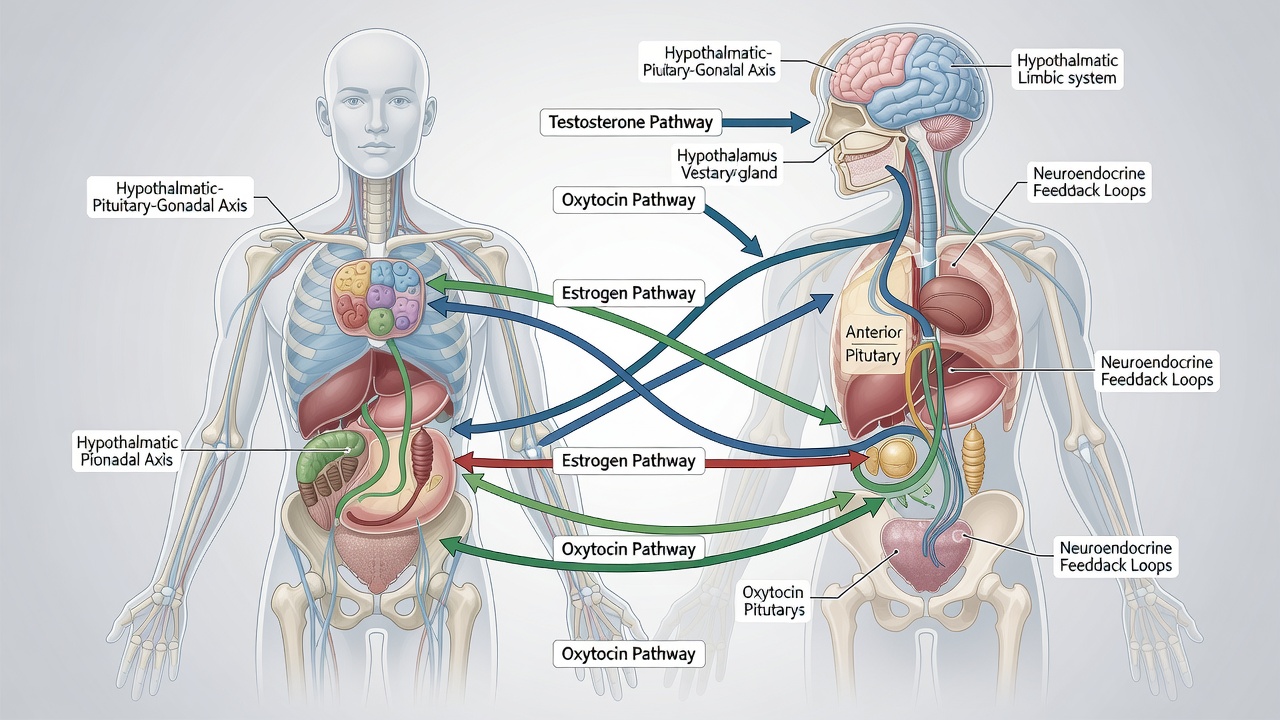
Sexual health begins with understanding the body's chemical messengers. Hormones like testosterone, estrogen, and oxytocin play central roles in arousal, desire, and pleasure. This guide explains these basics in clear terms for anyone new to the topic, focusing on anatomy fundamentals without clinical jargon. The endocrine system releases these hormones in response to stimuli, affecting blood flow, sensitivity, and emotional connection. Knowing their functions helps demystify everyday experiences and supports informed choices about wellness. Many people notice changes in desire or comfort during different life stages, and hormones often explain why. For instance, a busy professional might experience lower energy after poor sleep because cortisol disrupts these key signals. Building awareness starts with recognizing that sexual response is not purely mechanical but deeply tied to these internal messengers that fluctuate naturally yet respond to lifestyle inputs.
Understanding the connections between hormones and anatomy allows readers to appreciate how simple daily choices influence intimate experiences over time. This foundation supports better conversations with partners or healthcare providers when questions arise.
The Role of Testosterone in Arousal and Anatomy
Testosterone drives libido and physical readiness in all genders. It increases blood flow to genital tissues, heightens sensitivity, and supports muscle tone in the pelvic region. In people with testes, it primarily originates there, while ovaries and adrenal glands contribute smaller amounts elsewhere. Physiological effects include stronger erections or clitoral engorgement and quicker response to touch. Levels naturally fluctuate with sleep, exercise, and stress, influencing daily sexual energy. For example, someone who lifts weights regularly may notice steadier motivation for intimacy because resistance training encourages consistent production. Conversely, chronic stress can blunt these effects by diverting resources elsewhere in the body. Anatomically, testosterone also maintains tissue health in the genitals, keeping nerves responsive and supporting the erectile structures that fill with blood during arousal. Beginners often overlook how this hormone interacts with daily rhythms, such as peaking in the morning for many individuals, which can explain why some feel more open to connection at certain times of day.
Estrogen's Influence on Pleasure and Response
Estrogen maintains vaginal and clitoral tissue health, promoting lubrication and elasticity. It enhances nerve sensitivity in erogenous zones and supports mood stability during intimate moments. Produced mainly in ovaries, it also comes from adrenal glands and fat tissue. During arousal, estrogen works with other signals to increase blood vessel dilation, creating warmth and swelling. Balanced levels contribute to comfortable, pleasurable experiences across the menstrual cycle. Consider a person tracking their cycle who observes greater ease and moisture mid-cycle when estrogen rises naturally; this pattern helps illustrate the hormone's direct role. Estrogen also influences skin sensitivity throughout the body, making light touch more enjoyable in areas like the neck or inner thighs. When levels dip temporarily due to factors such as intense exercise or dietary shifts, individuals might experience dryness or reduced interest, highlighting the need for supportive habits rather than alarm. This hormone works quietly in the background to keep tissues resilient and responsive, forming a key part of the pleasure pathway.
Oxytocin and Emotional Connection in Sexual Pleasure
Oxytocin, often called the bonding hormone, surges during touch, orgasm, and closeness. It reduces stress, deepens feelings of trust, and intensifies pleasurable sensations by acting on the brain's reward centers. Released from the pituitary gland, it affects both physical relaxation of muscles and emotional satisfaction after intimacy. This hormone bridges physical response with relational aspects of sex. An example might involve partners who share prolonged eye contact or gentle massage before further activity, noticing stronger feelings of connection afterward because oxytocin amplifies those moments. It also helps ease muscle tension in the pelvic floor, allowing more comfortable movement and deeper sensations during climax. Beyond partnered experiences, solo practices involving self-touch can trigger modest releases that promote relaxation and positive body awareness. Oxytocin levels rise reliably with skin-to-skin contact, making it a powerful ally for building satisfying routines that feel both physically and emotionally rewarding.

How These Hormones Interact During Sexual Response
Testosterone, estrogen, and oxytocin rarely act alone. They form a coordinated network where one supports the effects of the others. For instance, testosterone may initiate desire and blood flow, estrogen maintains tissue readiness for comfortable penetration or stimulation, and oxytocin seals the experience with emotional reward and relaxation. In a typical arousal sequence, rising testosterone prompts initial interest, estrogen facilitates physical changes like lubrication, and oxytocin peaks at climax to encourage closeness and recovery. Real-life examples include noticing that good sleep boosts all three simultaneously, leading to smoother, more enjoyable encounters. Stress, meanwhile, can suppress the entire chain by elevating competing signals. Understanding these interactions helps explain why isolated fixes rarely work and why holistic daily habits produce better results. Readers can experiment by noting how one change, such as adding magnesium-rich foods, appears to support multiple aspects of response over several weeks.
Practical Steps for Supporting Hormonal Balance
Daily habits can encourage healthy hormone function. Start with consistent sleep of seven to nine hours, as rest regulates production cycles. Include strength training or brisk walks three times weekly to boost natural testosterone and estrogen metabolism. Eat balanced meals rich in healthy fats, zinc, and magnesium from sources like nuts, seeds, and leafy greens. Manage stress through short breathing exercises or mindfulness, which lowers cortisol interference. Stay hydrated and limit alcohol to preserve oxytocin pathways. Track patterns in a simple journal noting energy, mood, and responses over weeks. These steps build sustainable support without quick fixes. To make them concrete, try a morning routine of ten minutes of sunlight exposure followed by a protein-rich breakfast containing eggs or avocado. In the evening, practice five minutes of diaphragmatic breathing before bed to support overnight hormone repair. For someone with a desk job, adding two short walks during lunch breaks can improve circulation and reduce sedentary effects on pelvic blood flow. Couples might incorporate non-sexual touch like hand-holding during conversations to naturally elevate oxytocin without pressure. Consistency matters more than perfection; even small adjustments compound over a month to create noticeable shifts in energy and responsiveness.
Debunking Common Hormone Myths in Sexual Health
Myth 1: Only men have significant testosterone affecting sex drive. In reality, everyone produces and needs it; women rely on it for desire and energy at lower but essential levels. Studies from major health institutions confirm its role across genders in maintaining arousal pathways. Myth 2: Estrogen solely causes mood swings that ruin intimacy. Evidence shows balanced estrogen supports positive mood and physical comfort when lifestyle factors align. Temporary fluctuations are normal, yet overall balance tends to enhance rather than hinder experiences. Myth 3: Oxytocin only matters after childbirth. It actively enhances pleasure and bonding in all adults during consensual touch and orgasm. Everyday affectionate behaviors trigger its release reliably. Myth 4: Hormone levels stay constant regardless of habits. Daily choices like movement and rest directly influence production and sensitivity over time. Journaling often reveals clear links between consistent exercise and steadier desire patterns. Addressing these misconceptions empowers readers to focus on evidence-based actions instead of outdated assumptions.
Frequently Asked Questions
What symptoms suggest checking hormone levels?
Persistent low energy, reduced interest in intimacy, or discomfort during arousal may indicate imbalance. A healthcare provider can assess through simple discussions and tests if needed. Other signs include unexplained fatigue lasting weeks or changes in sleep quality that coincide with shifts in sexual response.
How can beginners track hormonal patterns?
Use a basic app or notebook to log sleep, stress, cycle phases if applicable, and daily mood or response notes. Patterns often emerge within one to two months. Include notes on diet and exercise to spot correlations more easily.
When should someone seek professional advice?
Consult a doctor or sex educator if changes last beyond a few weeks, interfere with daily life, or accompany other symptoms. Early guidance prevents unnecessary worry and offers tailored options. Resources such as local clinics or telehealth services can provide initial conversations without high barriers.
Can lifestyle changes alone improve hormonal balance noticeably?
Many people report gradual improvements in energy and responsiveness after four to six weeks of consistent sleep, movement, and nutrition adjustments. Results vary, so patience and tracking help identify what works best for each individual.
Conclusion
Understanding testosterone, estrogen, and oxytocin provides a solid foundation for exploring sexual anatomy and response. Small lifestyle adjustments combined with accurate information empower better personal health decisions. Resources from trusted organizations like Mayo Clinic, World Health Organization, and Endocrine Society offer further reading on these topics.

No comments yet. Be the first!