 Spicy Trip
Understanding Puberty in 2026: What Teens and Parents Need to Know
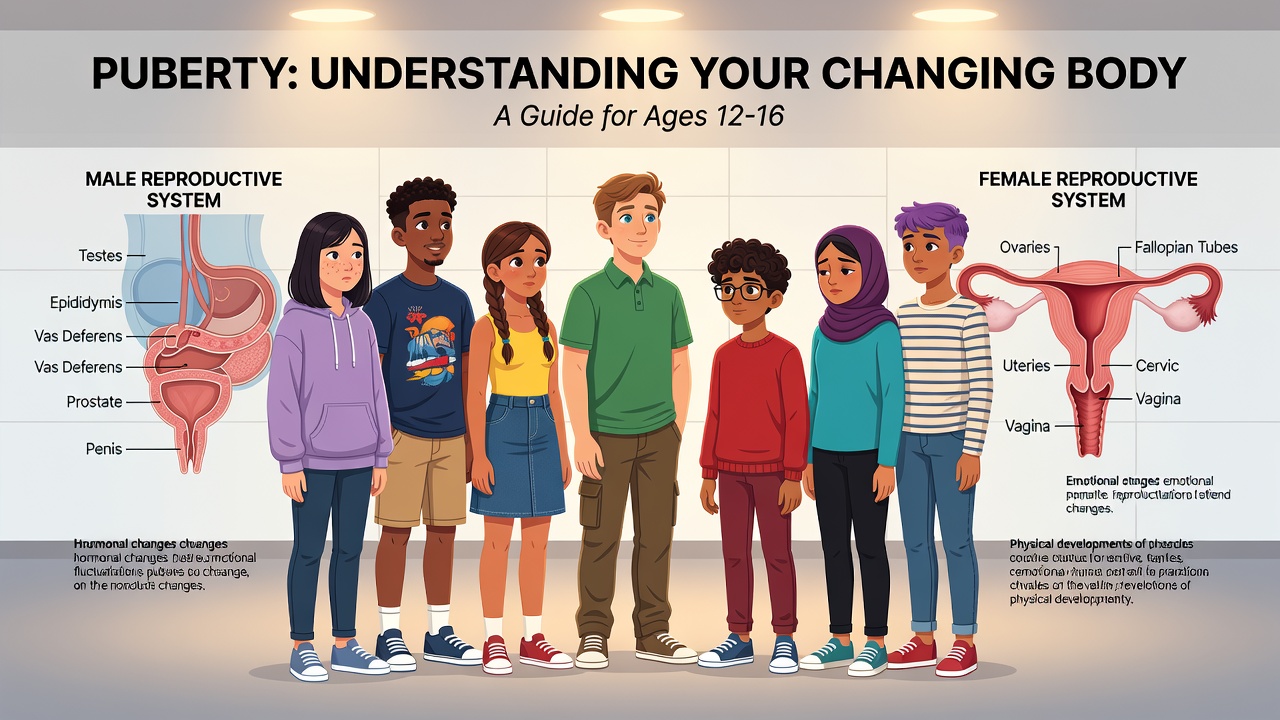
Puberty marks a major transition from childhood to adulthood, involving physical, emotional, and hormonal changes that affect sexual anatomy and overall health. In 2026, reliable information remains essential for navigating this phase with confidence. This guide covers key developments in reproductive systems, compares male and female experiences, debunks persistent myths, and offers practical wellness advice. Parents and teens benefit from understanding that puberty is a gradual process influenced by genetics, nutrition, environment, and overall health, rather than a sudden event.
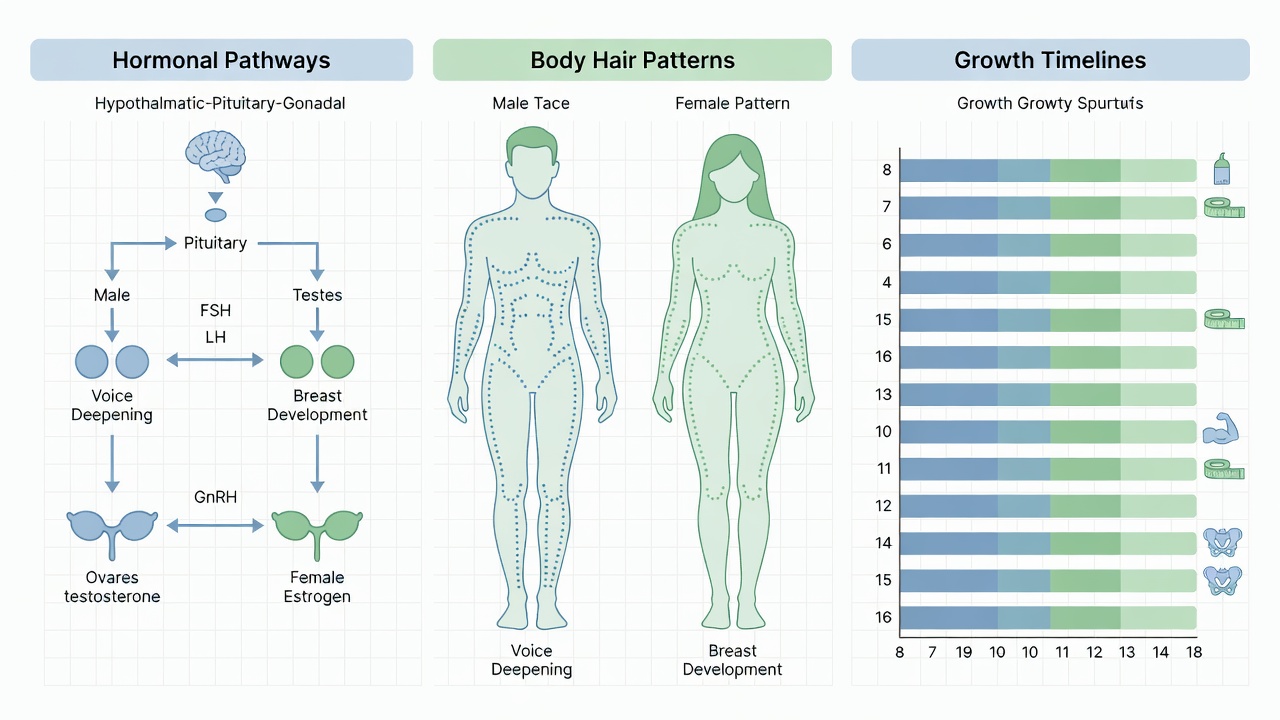
Puberty typically begins between ages 8 and 13 for girls and 9 and 14 for boys, though individual timelines vary widely due to genetics, nutrition, and health factors. The process usually lasts 2 to 5 years and is driven by the brain's release of gonadotropin-releasing hormone, triggering the pituitary gland to produce luteinizing hormone and follicle-stimulating hormone. These signals set off a cascade of changes across the body that prepare individuals for reproductive maturity.
Hormonal Shifts and Reproductive System Growth
Hormones like estrogen, progesterone, and testosterone surge during puberty, reshaping the body. In males, testosterone drives testicular enlargement, voice deepening, and muscle growth while also stimulating the production of sperm. In females, estrogen promotes breast development and hip widening while progesterone supports menstrual cycle regulation. Both sexes experience increased oil production leading to acne and body odor changes. Growth hormone and insulin-like growth factor also play roles in the rapid height increases seen during these years.
Reproductive anatomy matures noticeably. Boys see growth in the testes, scrotum, and penis, with sperm production beginning around mid-puberty. Girls develop ovaries and a uterus capable of supporting menstruation, typically starting between ages 10 and 15. These shifts prepare the body for potential reproduction later in life. Additional changes include the thickening of the vaginal lining in females and the maturation of the prostate gland in males. Understanding these anatomical developments helps reduce confusion and anxiety when unexpected changes appear.
Male vs Female Experiences: Key Comparisons
While both genders undergo similar hormonal triggers, experiences differ significantly. Males often notice rapid height spurts and facial hair growth earlier, whereas females may experience earlier breast budding and the onset of periods. Body hair appears in similar areas for both but follows distinct patterns influenced by androgens. Skin changes, sweat gland activity, and even sleep patterns can vary between the sexes during this time.
- Male timeline example: A 12-year-old boy might develop a deeper voice and broader shoulders while his peers remain unchanged, with testicular growth becoming apparent around the same period.
- Female timeline example: A 10-year-old girl could begin breast development and experience her first period by age 12, accompanied by mood fluctuations from estrogen cycles and possible growth in the pelvic region.
Normal variations are common. Some teens develop earlier or later without issues, and asymmetry in breast or testicular growth often evens out over time. Factors such as body weight, physical activity levels, and chronic illnesses can influence the pace of these changes.
Debunking Common Sexual Health Myths
Many myths surround puberty timelines and body changes. One widespread belief claims everyone develops at the exact same age; in reality, a wide range is normal. Another myth suggests masturbation stunts growth—scientific evidence shows no such link. Parents and teens can rely on sources like the CDC for accurate data rather than social media trends. Additional misconceptions include the idea that all body changes happen overnight, that only girls experience emotional ups and downs, or that late bloomers will never catch up physically. Boys also face mood shifts from rising testosterone, and most late developers reach average adult heights. Another common myth is that using deodorant too early prevents natural sweating; in fact, it simply manages odor without affecting development. Understanding these facts reduces anxiety during this phase and encourages healthy conversations at home.
Practical Steps for Hygiene and Wellness
Maintaining health during puberty involves simple daily habits that support both physical and emotional well-being. Shower daily using gentle cleansers to manage increased sweat and oil, paying special attention to underarms, groin areas, and feet. Wear breathable cotton underwear and change it regularly to prevent irritation and infections. For girls, tracking menstrual cycles helps anticipate needs and manage symptoms like cramps through heat packs or light exercise. Boys should practice testicular self-exams monthly after learning proper technique from a healthcare provider to become familiar with normal variations.
- Eat a balanced diet rich in fruits, vegetables, whole grains, and proteins to support growth and hormone regulation.
- Exercise regularly through activities like sports, walking, or yoga to manage stress and maintain healthy body composition.
- Prioritize 8–10 hours of sleep nightly, as growth hormone peaks during deep rest phases.
- Seek age-appropriate education from trusted resources such as the World Health Organization and discuss questions openly with parents or school counselors.
- Practice good dental hygiene and skin care routines to address acne without harsh products that could damage sensitive skin.
Emotional wellness matters equally. Open conversations with parents or counselors help process feelings about body image and peer pressure. Keeping a journal or joining supportive peer groups can also provide outlets for the emotional ups and downs common during these years.
Real-World Examples of Normal Variations
Consider Alex, a 13-year-old who started puberty at 9 with early voice changes but caught up in height by 15 and now participates in school sports without issue. Or Jordan, whose periods began at 14 after friends had started years earlier—both cases fall within healthy ranges according to pediatric guidelines. Another example involves twins Maya and Leo, where Maya experienced breast development at 11 while Leo showed minimal changes until 13; their parents consulted a doctor who confirmed both were progressing normally. These examples illustrate that diversity in development is typical and rarely indicates problems.
FAQ: Timing, Concerns, and When to Seek Advice
When does puberty usually start and end?
Most individuals begin between 8–14 years old and complete changes by late teens. Significant delays or accelerations warrant a medical check to rule out underlying conditions.
What signs indicate something might need professional attention?
Persistent pain, rapid unexplained weight changes, absence of any development by age 15, or severe mood disturbances that interfere with daily life should prompt a visit to a pediatrician or adolescent health specialist.
Are emotional changes normal?
Yes. Hormones influence mood, but ongoing distress benefits from support from trusted adults or counselors. Learning coping strategies early helps build resilience.
How can parents support their children during puberty?
Parents can create open dialogue, provide accurate books or videos, respect privacy, and model healthy self-care habits. Regular check-ups also offer reassurance.
Is it normal for puberty to happen at different rates in siblings?
Absolutely. Genetic and environmental factors mean siblings often follow unique timelines even within the same household.
Conclusion
Puberty represents a natural, healthy process best approached with accurate information and self-care. By understanding anatomy, hormones, and variations while following practical wellness steps, teens and parents can navigate 2026 with greater ease. For further reading, consult authoritative sites like Mayo Clinic or discuss concerns directly with healthcare professionals. Early education empowers young people to embrace these changes confidently and maintain lifelong sexual health awareness.

No comments yet. Be the first!