 Spicy Trip

Introduction to Sexual Wellness Basics
Sexual wellness forms a cornerstone of overall health, blending accurate education with practical daily habits. In 2026, beginners benefit from clear, evidence-based guidance that prioritizes informed choices over complex techniques. This roadmap covers core anatomy, hygiene routines, recognizing normal changes, consent integration, and dispelling myths to build lasting confidence and reduce common anxieties around intimate health.
Whether you are starting your journey or refreshing fundamentals, these principles support physical and emotional well-being across diverse life stages. Reliable resources such as the World Health Organization emphasize holistic approaches that respect individual experiences and cultural backgrounds. Many people begin seeking this knowledge after noticing gaps in school-based education or during life transitions such as starting new relationships or managing health concerns.
By focusing on foundational elements rather than advanced topics, readers can create personalized routines that feel sustainable. The goal is empowerment through knowledge, helping individuals make decisions that align with their values and bodies.
Core Anatomy Knowledge for Beginners
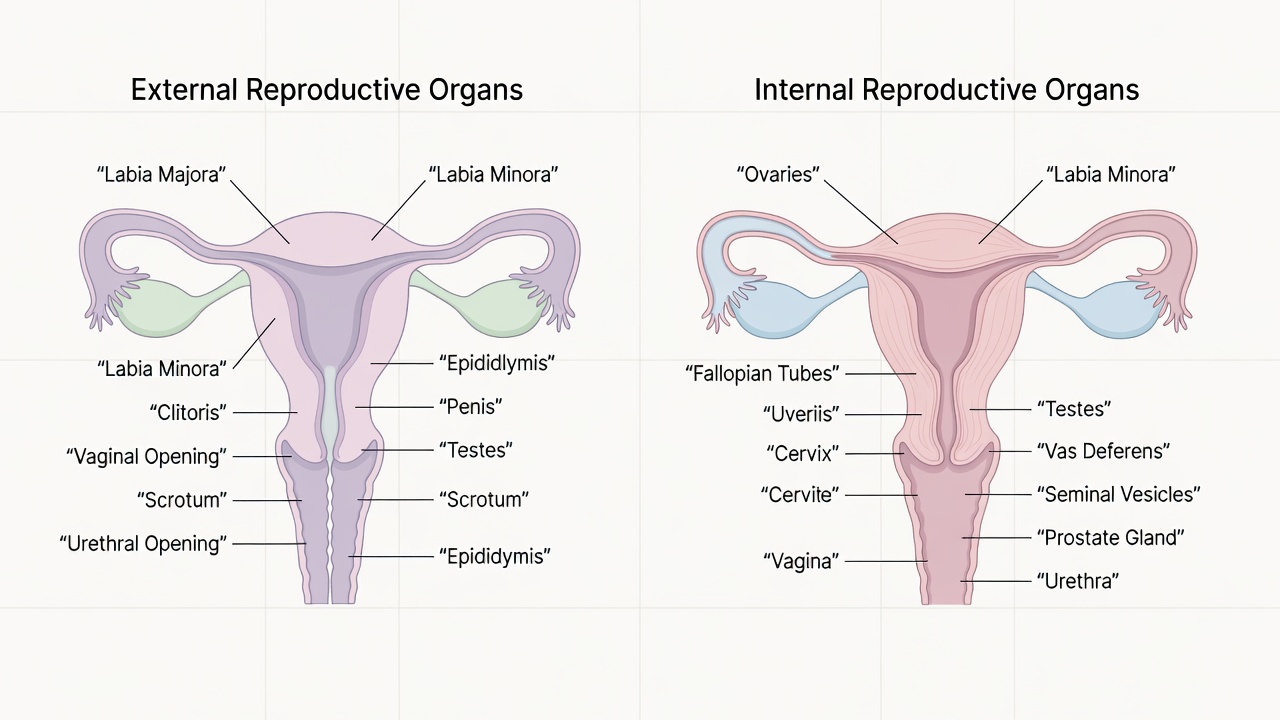
Understanding basic anatomy reduces anxiety and promotes healthier interactions with oneself and partners. Key external structures include the vulva, penis, scrotum, and anus, while internal components encompass the vagina, cervix, uterus, ovaries, prostate, and testes. Learning these through diagrams or trusted medical sites fosters accurate self-awareness and helps identify when something feels off.
Focus first on external genitalia and erogenous zones such as the clitoris, which contains thousands of nerve endings and plays a central role in pleasure for many. Note that variations in size, shape, color, and sensitivity are completely normal and influenced by genetics, hormones, and age. Educational materials from the CDC provide neutral illustrations suitable for adults new to the topic.
Additional areas worth exploring include the perineum, nipples, and inner thighs as zones of sensitivity. Take time to map personal responses through mindful self-exploration in private settings. This knowledge forms the basis for better communication about preferences and boundaries.
Daily Hygiene Practices
Consistent hygiene supports sexual health without overcomplicating routines or causing irritation. Begin with gentle external cleansing using mild, unscented soap and water once or twice daily. Avoid douching or harsh internal washes, which can disrupt natural bacterial balance and increase infection risks.
Practical steps include washing hands thoroughly before any intimate contact, changing underwear daily while choosing breathable cotton fabrics, urinating after sexual activity to help flush bacteria, staying hydrated, and eating a balanced diet rich in fruits and vegetables to support mucosal health. For individuals who menstruate, changing pads or tampons regularly and cleaning the external area gently during cycles prevents discomfort.
Evening routines might involve a warm shower followed by patting dry rather than rubbing. Morning habits could include quick external rinses if needed. People with specific conditions like diabetes or allergies should consult providers for tailored advice. These habits integrate easily into existing schedules and become second nature with repetition.
Recognizing Normal Body Changes
Bodies evolve throughout life due to hormones, age, stress, pregnancy, medications, and lifestyle factors. Common shifts include fluctuations in libido, natural lubrication levels, skin sensitivity, or discharge consistency. Tracking these patterns helps distinguish typical variations from concerns that may require professional attention.
Self-check lists can include noting discharge color, odor, and volume daily, monitoring menstrual cycle length or ejaculatory patterns, observing skin changes around the genital area, and paying attention to any persistent itching or pain. During puberty, perimenopause, or post-menopause, expect shifts like reduced estrogen leading to dryness or increased sensitivity in certain zones.
Examples of normal changes include temporary increases in discharge during ovulation or after exercise. If changes persist beyond two weeks or accompany fever or unusual bleeding, schedule a medical visit promptly. Keeping a simple symptom journal aids in discussions with healthcare providers.
Integrating Consent into Daily Routines
Consent is an ongoing, enthusiastic agreement that extends beyond sexual encounters into everyday interactions. Practice verbal check-ins during physical touch, shared activities, or even conversations about boundaries to normalize the concept. Examples include asking before hugging a friend, confirming comfort during a massage, or discussing limits before trying new intimate activities.
Build the habit by reflecting at the end of each day on whether you respected others' signals and expressed your own needs clearly. Role-play scenarios in low-pressure settings, such as with a trusted partner, to refine phrasing like "Does this feel good?" or "I'd like to slow down."
Consent education also covers recognizing nonverbal cues such as body language and tone. Resources from organizations focused on healthy relationships reinforce that consent can be withdrawn at any time without explanation. Integrating these practices daily strengthens trust and reduces misunderstandings in all relationships.
Separating Facts from Common Misconceptions
Myths persist despite accessible information and can lead to unnecessary shame or unsafe choices. One frequent misconception claims that sexual wellness requires specific performance standards or constant high desire; in reality, libido naturally varies and satisfaction looks different for everyone. Another suggests that basic anatomy knowledge is only relevant for medical professionals, yet literacy empowers personal health management.
Additional myths include the idea that only certain body types experience pleasure or that protection methods are one-size-fits-all. Cross-reference claims with authoritative sources like Planned Parenthood to verify accuracy. Reliable education counters stigma, promotes realistic expectations, and encourages seeking professional care when needed rather than relying on unverified online forums.
Step-by-Step Habit-Building Examples
Start small to create sustainable routines that fit busy lives. In week one, dedicate five to ten minutes daily to reviewing anatomy via neutral diagrams or apps. Week two adds hygiene reminders through phone alerts and simple product swaps like fragrance-free soap. Week three introduces consent phrasing during routine interactions, such as asking partners about preferences during non-intimate moments.
Over the following month, expand to tracking body changes in a private notebook and practicing mindfulness exercises to connect physical sensations with emotional states. Month two could include joining a local or online workshop on sexual health basics. Adjust based on personal energy levels and celebrate consistency with small rewards like a favorite healthy meal.
Real-world examples show success when habits align with existing schedules, such as linking hygiene checks to brushing teeth. Long-term adherence improves when progress is reviewed monthly rather than daily.
Quick Self-Check Lists
Use these weekly to reinforce learning and identify areas for growth:
- Have I reviewed one new anatomical fact or diagram this week?
- Did my hygiene routine feel comfortable, complete, and non-irritating?
- Have I noticed any body changes worth monitoring or discussing with a provider?
- Did I communicate boundaries or seek consent clearly in at least three interactions?
- Have I challenged one misconception by checking a trusted source?
Additional monthly lists might evaluate emotional comfort levels and resource usage for continued education.
Frequently Asked Questions
What is the first step for beginners seeking sexual wellness knowledge?
Begin with anatomy basics and open conversations with trusted healthcare providers, educators, or reputable online resources tailored to adult learners.
How often should hygiene routines be reviewed or adjusted?
Daily practices work best, with periodic adjustments based on seasonal changes, travel, hormonal shifts, or new health information from medical professionals.
Where can I find trustworthy resources beyond basic searches?
Start with government health sites, established nonprofit organizations, and certified sex educators who provide evidence-based materials updated regularly.
How does consent apply outside of sexual situations?
It applies to all physical and emotional interactions, teaching respect for personal space and preferences in friendships, family dynamics, and professional settings.
What signs indicate it is time to consult a doctor about body changes?
Persistent pain, unusual discharge, sudden shifts in function, or emotional distress that interferes with daily life warrant professional evaluation for peace of mind.
Conclusion
Sexual wellness thrives on consistent education and simple, repeatable habits. By mastering anatomy fundamentals, daily hygiene, consent practices, body awareness, and myth-busting, beginners develop confidence that lasts through various life phases. Continue exploring at your own pace with reliable sources to maintain informed, positive choices throughout 2026 and beyond. Small daily actions compound into meaningful long-term well-being.

No comments yet. Be the first!