 Spicy Trip
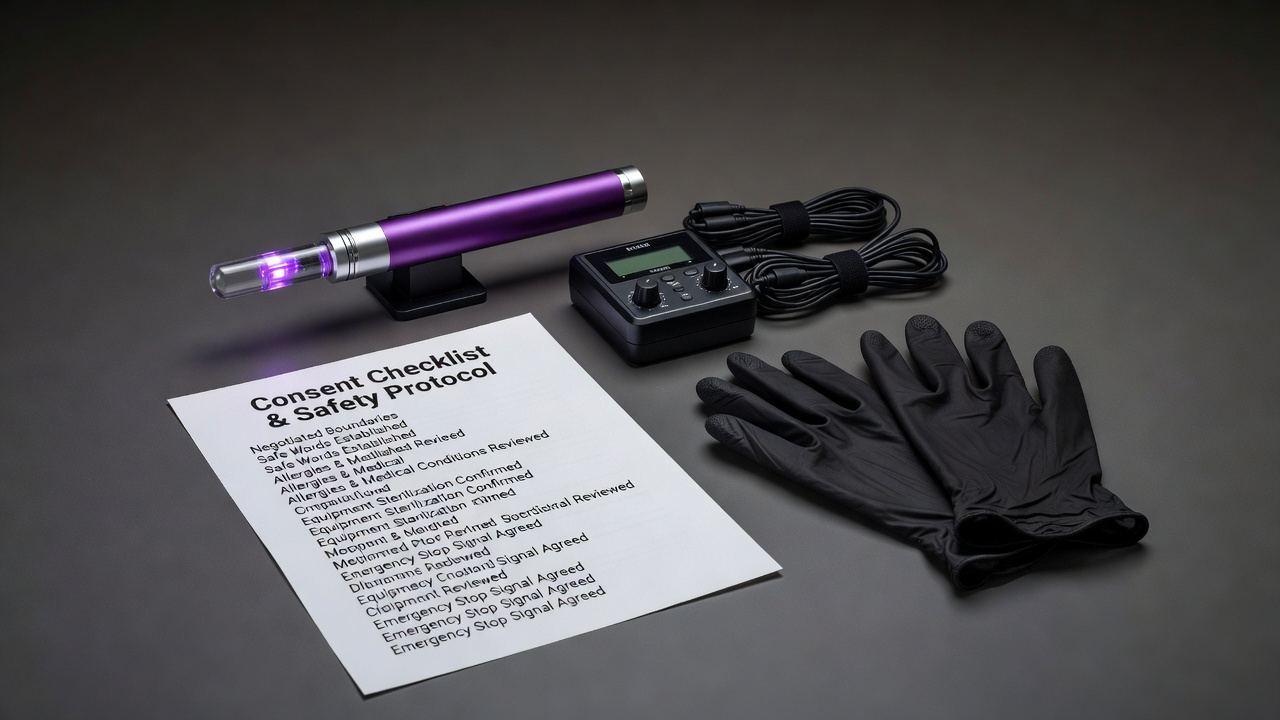
Introduction to Electrical Play in BDSM
Electrical play introduces controlled sensations through specialized devices, enhancing BDSM scenes when approached with rigorous safety protocols. This practice demands deep understanding of consent, device mechanics, and physiological responses to prevent injury. Practitioners prioritize clear communication and ongoing risk assessment aligned with BDSM safety principles. Electrical sensations can range from tingling sparks to rhythmic pulses, but without proper knowledge, they carry risks such as burns, nerve irritation, or unintended muscle contractions. This guide provides comprehensive coverage for beginners and intermediate players seeking to integrate electrical toys responsibly while maintaining focus on mutual enjoyment and harm reduction.
Understanding the Risks Involved
Before engaging in any electrical scene, it is essential to recognize potential hazards. Low-amperage devices used correctly rarely cause serious harm, yet factors like broken skin, poor electrode contact, or excessive duration can lead to complications. Individuals with implanted medical devices such as pacemakers must avoid electrical play entirely. Pre-existing conditions including epilepsy, heart issues, or sensitive skin require medical consultation beforehand. Risk management begins with education and never proceeds from assumptions about personal tolerance.
Selecting Appropriate Devices
Choosing the right tools forms the foundation of safe electrical play. Violet wands deliver high-voltage, low-amperage stimulation ideal for surface-level sensations, while TENS units provide adjustable pulse patterns suited for deeper muscle engagement. Always verify devices are designed specifically for erotic use and avoid household appliances. Inspect cords, electrodes, and power sources before every session to ensure functionality. Consider factors such as portability, battery life versus plug-in options, and available electrode attachments. Beginners benefit from starting with violet wands due to their visual feedback and lower penetration depth. TENS units require more calibration knowledge because they target nerves directly. Research reputable manufacturers and read user manuals thoroughly before first use.
Skin Preparation Techniques
Proper skin preparation reduces irritation and improves conductivity control. Clean the area thoroughly with mild soap and pat dry. Apply a thin layer of conductive gel or lotion only if recommended by the device manufacturer. Remove jewelry and lotions that could create unintended pathways. Test a small patch of skin at the lowest setting to check for adverse reactions. Shave or trim hair in the target area if it interferes with electrode contact, but avoid fresh shaving that leaves skin raw. 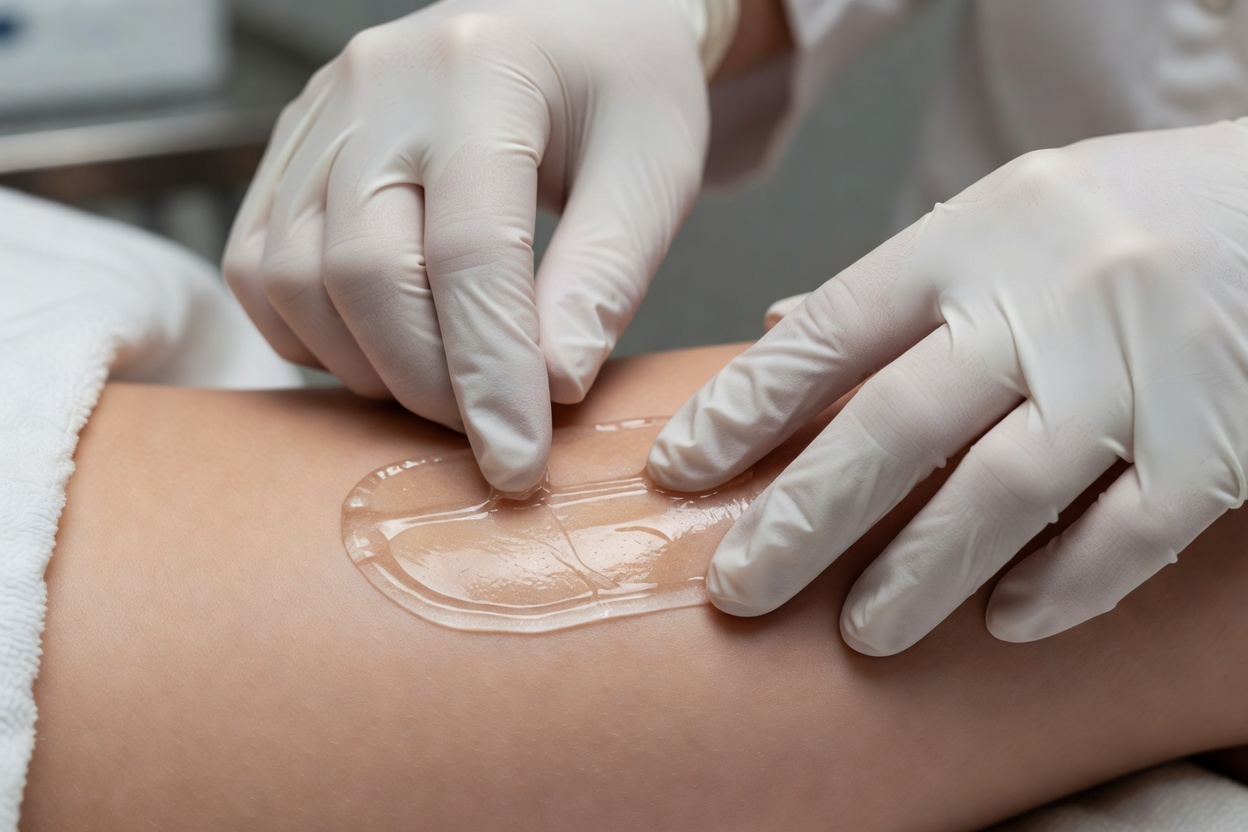
Additional steps include ensuring the play space is free of moisture and using non-conductive barriers on surrounding surfaces. Players should also wash their hands and any reusable electrodes between sessions to prevent cross-contamination.
Consent and Communication Protocols
Consent forms the core of every BDSM activity, including electrical play. Partners must discuss medical histories, hard limits, soft limits, and safe words or gestures well before the scene begins. Ongoing check-ins during play allow real-time adjustments. Written negotiation checklists can help document agreements and reduce misunderstandings. Clear communication extends to aftercare preferences and any post-scene emotional processing needs.
Intensity Calibration and Monitoring
Begin every session at the lowest intensity and increase gradually based on verbal feedback. Establish safe words and signals in advance. Monitor breathing, skin color, and muscle tension continuously. Overstimulation signs include involuntary twitching, numbness, or reports of burning sensations. Use a structured approach: start with short bursts of five to ten seconds, then pause to assess response. Adjust based on the recipient's expressed comfort level rather than visual assumptions alone.
Step-by-Step Setup Instructions
- Discuss limits, health history, and consent with all participants in a non-pressured environment.
- Prepare the space with non-conductive surfaces, adequate lighting, and emergency equipment nearby including a first-aid kit.
- Connect electrodes securely and test the device on yourself first at minimal settings to verify operation.
- Apply electrodes to the chosen area and power on at minimum setting while maintaining eye contact and verbal confirmation.
- Adjust intensity in small increments while checking in frequently using both verbal and non-verbal cues.
- End the scene immediately if any warning signs appear and provide immediate aftercare.
- Document the session afterward for future reference and learning.
Safe Versus Risky Session Examples
A safe session involves pre-negotiated boundaries, gradual intensity ramps, and immediate cessation upon discomfort. Participants use quality devices with built-in safety features and maintain constant communication. One example includes a couple testing a violet wand on the inner arm first, progressing to the thighs only after positive feedback and a clear safe word system. In contrast, a risky session might skip skin checks, use untested household items, or ignore fatigue signals, leading to burns or nerve irritation. Another risky scenario involves combining alcohol consumption with electrical play, which impairs judgment and reaction times.
Comparing Violet Wands and TENS Units
- Violet Wands: Produce visible sparks, suitable for beginners, lower risk of deep tissue effects, and offer multiple glass electrode shapes for varied sensations.
- TENS Units: Offer precise pulse control, require advanced knowledge, higher potential for overstimulation if misused, and work well for targeted muscle groups when electrodes are placed correctly.
Many experienced players combine both tools across different body zones after thorough testing and separate calibration periods. Always compare device specifications such as maximum output voltage and available waveforms before deciding which tool fits a particular scene.
Recognizing Warning Signs of Overstimulation
Watch for redness that persists beyond a few minutes, sharp pain beyond expected sensation, dizziness, or rapid heartbeat. Stop play and assess the situation. Seek medical attention for any prolonged symptoms such as lingering numbness or skin blistering. Early recognition prevents escalation and supports quicker recovery.
Aftercare Specific to Electrical Play
Aftercare focuses on skin soothing with aloe or unscented moisturizer and hydration. Discuss emotional responses and physical sensations during debriefing. Schedule follow-up checks for any delayed reactions. Resources from Mayo Clinic emphasize monitoring for electrical burn signs even after minor exposure. Provide blankets, water, and quiet time as needed, and remain available for continued support in the hours following the scene.
Practical Risk Management Techniques
Always maintain a sober state during scenes. Keep a first-aid kit and charged phone accessible. Educate yourself through workshops and consult medical professionals about pre-existing conditions. FDA guidelines on medical devices provide useful parallels for understanding electrical safety standards. Additional safety insights appear on Wikipedia's BDSM overview and health authorities like World Health Organization for general electrical hazard awareness. Consistent education and respect for boundaries keep electrical play enjoyable and low-risk. Consider joining local or online communities focused on BDSM safety to exchange updated best practices.
FAQ: Common Beginner Concerns
Is electrical play safe for everyone?
No. Individuals with pacemakers, epilepsy, or certain skin conditions should avoid it entirely after consulting a physician.
How long should sessions last?
Begin with 15-20 minutes and extend only as comfort allows, never exceeding personal limits.
What if I feel numbness?
Stop immediately, remove electrodes, and allow sensation to return naturally before resuming or ending the scene.
Can I use electrical toys on the chest or head?
Most experts recommend avoiding these areas due to proximity to vital organs and higher risk potential; focus instead on limbs and safer zones.
How do I clean my equipment properly?
Use manufacturer-recommended disinfectants and store devices in a dry, cool location to maintain longevity and hygiene.
Consistent education and respect for boundaries keep electrical play enjoyable and low-risk.


No comments yet. Be the first!