 Spicy Trip

Introduction to Psychological Safety in BDSM
Psychological safety forms the foundation of responsible BDSM practice, especially for beginners exploring kink beyond physical tools. In 2026, as awareness of mental health in intimate activities grows, understanding emotional well-being during scenes helps prevent lasting harm. This guide covers identifying triggers, conducting real-time check-ins, and fostering resilience, ensuring play remains consensual and enriching. Many practitioners focus heavily on physical safety protocols like safe words and equipment checks. Yet emotional risks can prove equally impactful. Psychological safety means creating an environment where all participants feel secure expressing needs and pausing if distress arises. Without this foundation, even well-intentioned scenes can lead to anxiety, resentment, or trauma responses that linger long after the play ends.
Beginners often underestimate how quickly emotional intensity can escalate. A single unexpected trigger or unchecked subspace experience may turn an enjoyable evening into days of emotional recovery. This article provides actionable frameworks drawn from established kink community practices and mental health principles to help readers build safer scenes from the ground up.
Understanding Physical Versus Psychological Risk Management
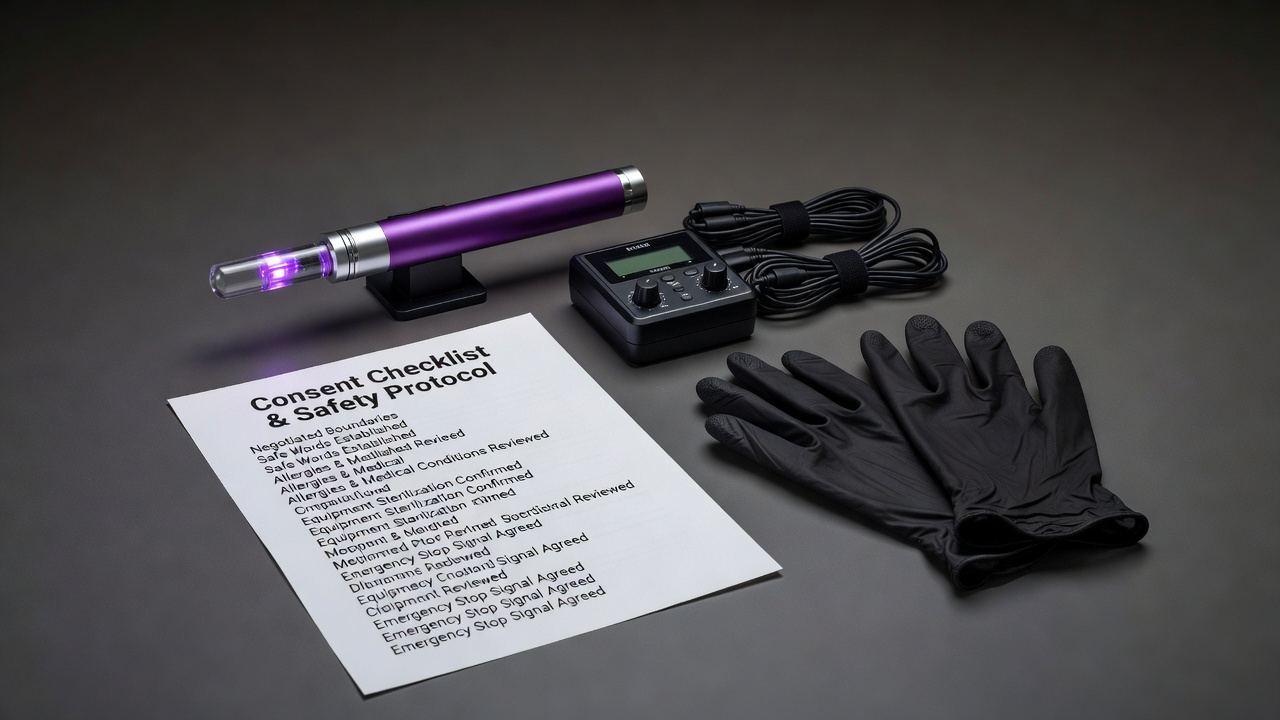
Effective BDSM requires balancing two distinct but interconnected risk areas. Physical risk management centers on tangible elements such as rope tension, impact intensity, and hygiene protocols. Practitioners check cuffs for circulation, sanitize toys, and maintain emergency medical supplies. Psychological risk management, by contrast, addresses invisible factors including emotional triggers, power dynamics, and post-scene mental states. Both demand preparation, yet psychological elements often receive less structured attention.
Consider a comparison: a physical safety checklist might include verifying that a flogger handle is secure and that the bottom has no recent injuries. A psychological checklist asks whether the bottom has experienced workplace stress that could amplify feelings of vulnerability or whether certain phrases might evoke past relationship conflicts. Integrating both checklists creates comprehensive protection. Ignoring the psychological side while perfecting the physical can leave participants exposed to sudden emotional drops that no amount of first-aid training can resolve.
Identifying Emotional Triggers Before Play
Before any scene, partners should discuss potential emotional triggers in detail. These might include past traumas, specific words, or sensations linked to anxiety. Start with open conversations outside the bedroom to map personal boundaries. A practical step-by-step process includes listing known triggers on paper or a shared document, rating each on intensity from mild to severe, agreeing on modified activities that avoid high-risk elements, and revisiting the list regularly as comfort levels evolve. This proactive step reduces surprises and builds trust.
Real-world example: one partner reveals that raised voices during role-play trigger memories of childhood arguments. The couple then agrees to use only whispered commands or pre-recorded audio instead. Over multiple scenes they gradually test louder elements with frequent check-ins, expanding their shared comfort zone safely. Resources from the American Psychological Association highlight how preemptive emotional mapping supports healthier interactions in high-intensity activities.
Step-by-Step Pre-Scene Negotiation for Mental Safety
Thorough negotiation goes beyond limits lists. Begin by setting aside at least thirty minutes in a neutral, non-sexual setting. Each person shares recent stressors and current emotional baseline. Next, outline desired activities and explicitly name any emotional goals, such as "I want to feel cared for after feeling powerless at work." Then establish a detailed check-in schedule and backup signals. Finally, agree on a post-scene timeline for aftercare and a 48-hour follow-up discussion. Documenting these agreements in a shared note app helps both parties reference them later.
Real-Time Mental Check-Ins During Scenes
Check-ins keep psychological safety active throughout play. Use verbal or non-verbal signals beyond basic safe words. For example, a simple "color check" system—green for good, yellow for slow down, red for stop—allows quick assessment without breaking immersion entirely. Schedule brief pauses every 10-15 minutes during longer scenes. Ask open questions like "How does this feel emotionally right now?" Observe body language for signs of dissociation or unease. Consistent check-ins empower participants to voice concerns immediately. In one documented example, a bottom used the yellow signal during a sensory deprivation scene because unexpected silence began evoking feelings of abandonment. The top immediately shifted to gentle verbal reassurance, preventing escalation while still maintaining the scene's overall tone.
Grounding Techniques for Intense Moments
When emotions intensify, grounding techniques restore calm and presence. These methods anchor the mind to the current reality, countering overwhelm. Breath focus involves inhaling for four counts, holding for four, and exhaling for four. Sensory naming requires identifying five things you see, four you hear, and three you feel. Physical connection can mean squeezing a partner's hand or pressing feet firmly to the floor. Verbal affirmation repeats a pre-agreed safe phrase like "I am here and safe." Practice these techniques together beforehand so they become automatic during play. They prove especially useful when scenes push emotional limits.

Recognizing and Managing Subspace Emotional Shifts
Subspace, the altered mental state some experience in BDSM, can bring euphoria but also vulnerability. Signs include slowed speech, dreamy detachment, or sudden mood changes post-scene. Monitor for these shifts to avoid misinterpreting them as mere relaxation. Partners should discuss expected subspace reactions in advance. If one person enters deep subspace, the top must remain attentive and ready to provide immediate support rather than assuming all is well. A practical example involves preparing a "subspace kit" containing water, a favorite blanket, and a list of grounding prompts. After intense rope suspension, one bottom reported feeling detached for nearly an hour; the top used the prepared kit to guide a gentle return to baseline, shortening the recovery window significantly.
Building Long-Term Emotional Resilience
Resilience develops from repeated positive experiences and structured reflection. After each scene, note what strengthened emotional safety and what could improve. Over time, this creates stronger coping mechanisms for intense play. Journaling prompts such as "What surprised me emotionally?" and "Which signal worked best?" turn experiences into learning opportunities. Comparing notes across multiple scenes reveals patterns that inform future negotiations.
Tailored Aftercare for Mental Recovery
Aftercare extends beyond physical comfort to mental recovery. Tailor it to individual needs, such as quiet cuddling, verbal reassurance, or journaling feelings. Some prefer light snacks and hydration paired with emotional check-ins hours later. Schedule follow-up conversations 24-48 hours post-scene to address any delayed emotional responses. This step reinforces long-term psychological well-being. Example: one couple uses a shared voice memo the next morning where each records three positive feelings and one area for adjustment, creating an ongoing record of growth.
Common Pitfalls to Avoid
Many new practitioners skip emotional check-ins when scenes feel "light," assuming low intensity equals low risk. Others rush aftercare because of time constraints, leading to unresolved feelings surfacing days later. Another frequent mistake is treating subspace as purely positive without planning for the potential crash. Avoiding these pitfalls requires treating psychological safety with the same rigor applied to physical protocols.
FAQ on Psychological Safety in Kink
How do I start discussing psychological safety with a new partner?
Begin with low-pressure talks during non-intimate time. Share resources and ask about past experiences to build mutual understanding.
What if a trigger surfaces unexpectedly?
Use the agreed safe word immediately, pause the scene, and apply grounding techniques. Debrief afterward to refine future boundaries.
Is subspace always positive?
Not necessarily. While often enjoyable, it can lead to emotional crashes. Preparation and attentive aftercare mitigate risks.
How does psychological safety differ from consent?
Consent is the agreement to proceed; psychological safety ensures the environment supports ongoing emotional security throughout and after.
Can psychological safety be maintained in group scenes?
Yes, but it requires pre-agreed group signals, a designated monitor for emotional states, and individual aftercare plans for each participant.
How often should emotional boundaries be reviewed?
Review before every new scene and after any significant life event, such as job changes or therapy milestones, to keep agreements current.
Conclusion
Prioritizing psychological safety transforms BDSM scenes into truly fulfilling experiences. By mastering triggers, check-ins, grounding, subspace awareness, and aftercare, beginners and experienced players alike create safer, more connected play. The World Health Organization emphasizes mental health integration in all wellness practices, a principle that applies directly here. Commit to these essentials for kink that respects mind and body alike. Additional guidance on emotional wellness can be found through the National Alliance on Mental Illness, which offers frameworks adaptable to intimate power-exchange dynamics.

No comments yet. Be the first!