 Spicy Trip
Introduction to Temperature Play in BDSM
Temperature play involves using controlled heat or cold sensations to heighten erotic experiences within consensual kink scenes. As practitioners seek advanced yet accessible techniques in 2026, understanding risk management becomes essential to prevent injuries like burns or frostbite. This guide expands beyond basic checklists to deliver practical protocols for safe engagement, covering physiology, tool comparisons, and real-world scene applications that help users make informed decisions during play.
Understanding Temperature Play Fundamentals
Temperature play leverages sensory contrast through tools like wax, ice, or specialized implements. It requires precise control because skin can sustain damage from extremes within seconds. The human skin responds differently to heat and cold due to nerve endings that detect temperature changes, which can create intense pleasure when managed correctly but lead to tissue damage if ignored. Beginners should start with low-intensity applications while experienced users refine monitoring skills during extended scenes. Understanding these basics helps practitioners appreciate why gradual introduction and constant feedback are non-negotiable elements of responsible kink practice.
Material Selection for Safe Temperature Play
Choosing appropriate materials reduces hazards significantly. For heat play, select paraffin or soy-based waxes with lower melting points around 120-130°F. Avoid beeswax or candle blends that exceed safe thresholds. For cold play, use food-grade ice or chilled metal tools rather than dry ice, which can cause rapid tissue damage. Always verify material composition before use. Consider factors such as cleanup ease, reusability, and compatibility with skin types. For instance, soy wax tends to cool faster on contact, making it preferable for those new to heat sensations, while stainless steel tools allow for precise temperature control through submersion in water baths.
Temperature Testing Steps
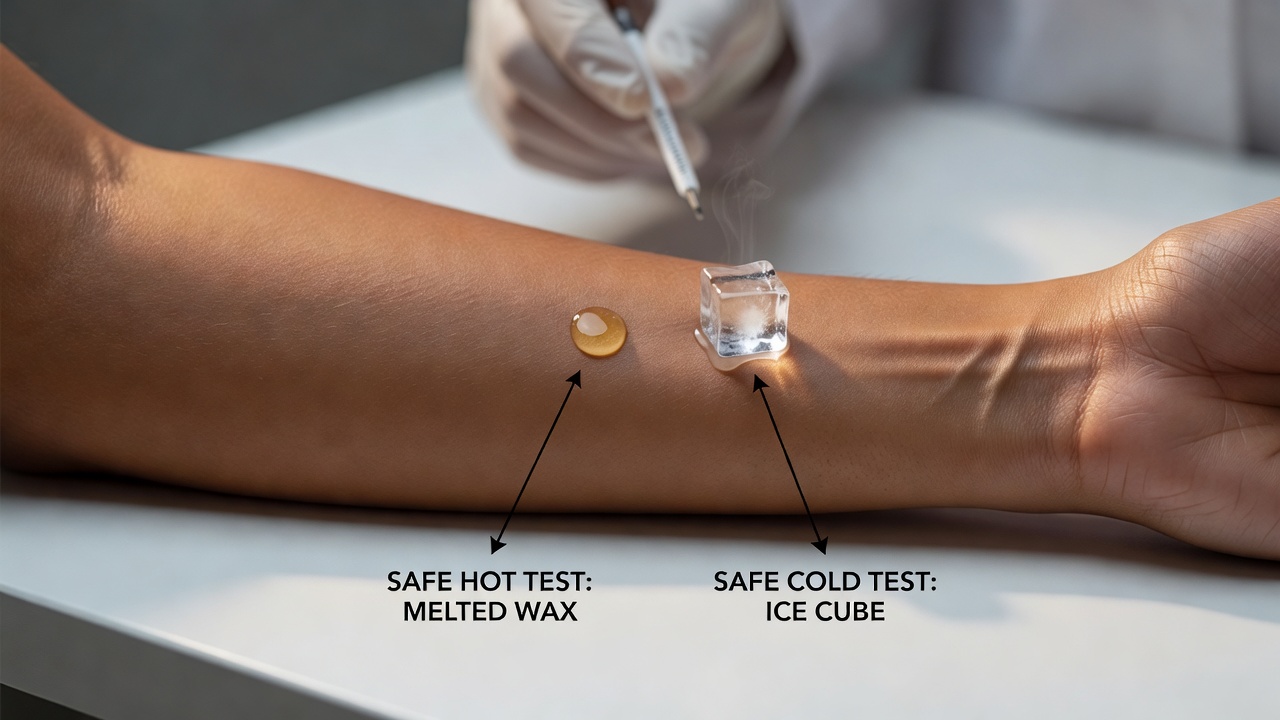
Before any scene, perform systematic testing. Apply a small amount of heated wax or chilled item to your inner forearm for 3-5 seconds. Note the sensation intensity and skin reaction. Repeat on a partner’s similar area with verbal check-ins. Use a reliable thermometer to confirm temperatures stay within safe ranges: wax below 140°F and ice applications limited to under 2 minutes initially. Document test results in a scene journal to track individual tolerances over time. This step-by-step process builds confidence and establishes baseline data that informs how long or intense subsequent applications can safely become.
Skin Monitoring Techniques During Scenes
Continuous observation prevents escalation to injury. Watch for redness, blanching, or swelling. Ask partners to describe sensations every 30-60 seconds using a traffic-light system. Palpate skin gently for temperature changes or numbness. Stop immediately if any abnormality appears and reassess. Additional techniques include using a mirror for hard-to-see areas and keeping a timer visible to enforce rotation of application sites. Experienced players often incorporate pulse checks or breathing pattern observations as secondary indicators of discomfort that verbal communication might miss.
Integrating Consent Models with Temperature Play
Effective consent frameworks like SSC (Safe, Sane, Consensual) or RACK (Risk-Aware Consensual Kink) form the foundation. Discuss limits, safewords, and medical history beforehand. Reaffirm consent throughout the scene, especially when introducing new tools. Document agreements in writing for repeat partners to reference evolving preferences. Incorporate ongoing negotiation models such as the Wheel of Consent to clarify who is doing what to whom at every stage. This integration ensures that temperature play aligns with broader ethical practices and reduces misunderstandings that could arise from sensory overload during intense moments.
Recognizing Warning Signs and Emergency Responses
Early indicators include persistent pain, blistering, or loss of sensation. For heat exposure, cool the area with lukewarm water for 10-20 minutes and seek medical attention if blisters form. For frostbite signs like white or grayish skin, warm gradually with body heat and avoid rubbing. Resources such as CDC guidelines provide detailed first-aid steps. Separate protocols for heat versus cold injuries allow faster response times. Always maintain a well-stocked first-aid kit containing burn gel, sterile dressings, and contact information for local emergency services. Practicing emergency drills beforehand prepares all participants to act calmly under stress.
Tailored Aftercare Routines
Aftercare restores physical and emotional equilibrium. Apply aloe-based moisturizers to affected areas and monitor for delayed reactions over 24 hours. Hydrate, rest, and debrief verbally about what worked. Schedule follow-up check-ins the next day to address any lingering concerns. Expand aftercare to include emotional support like cuddling or quiet reflection time, especially after intense temperature contrasts that can trigger unexpected vulnerability. Tailor routines based on individual needs, such as providing warm blankets for cold play participants or cool compresses following wax sessions.
Beginner Setups and Tool Comparisons
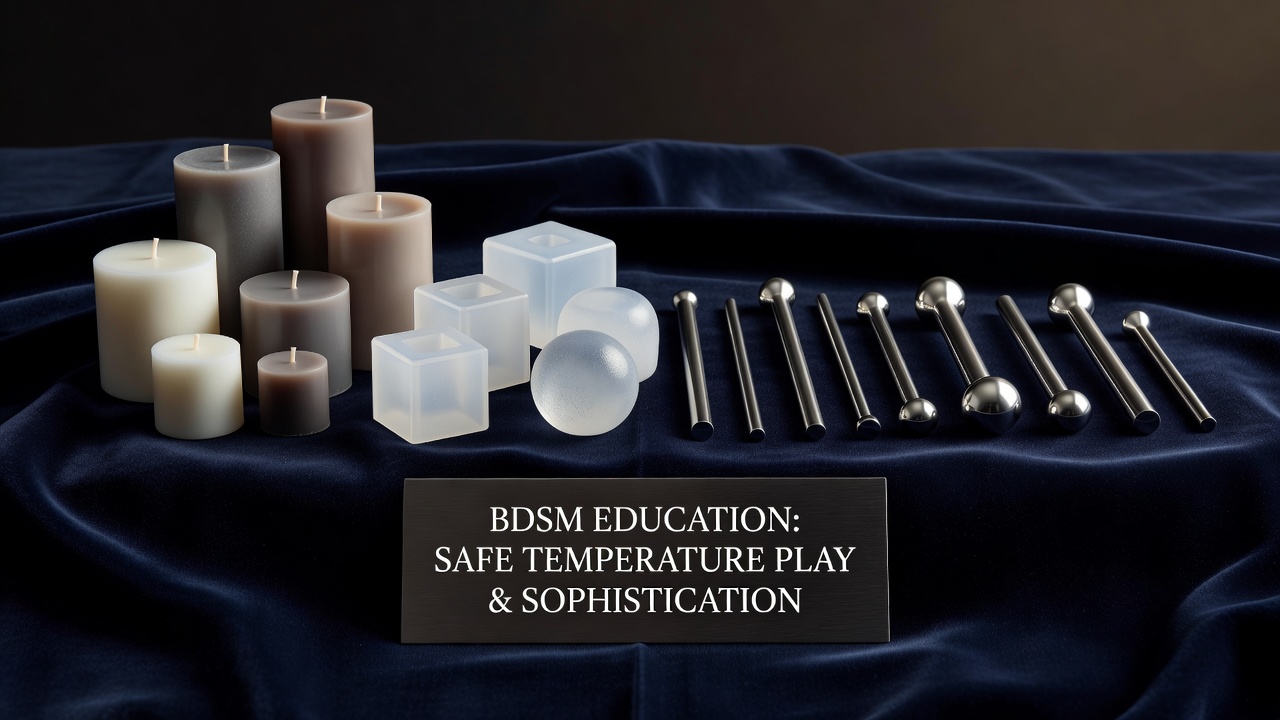
A simple starter kit includes low-temperature soy candles, silicone ice molds, and stainless steel wands. Compare options: wax offers visual appeal but requires cleanup; ice provides quick cooling but melts fast; metal tools deliver precise sensation with reusability. Test each in isolation before combining. Additional considerations include storage solutions to maintain temperatures and sterilization methods using mild soap or alcohol wipes. Practitioners often find that starting with one tool type allows better focus on technique before progressing to multi-tool scenes.
- Wax play: Gradual heat buildup, requires drip control and protective sheets.
- Ice play: Instant cold, risk of prolonged exposure and melting mess.
- Metal tools: Versatile for both temperatures, easy sterilization and precise application.
- Glass or ceramic options: Provide unique textures but demand careful temperature monitoring.
Practical Examples of Scenes
Example 1: A 20-minute wax session begins with forearm testing, proceeds to torso application in patterns, and ends with cooling cloths. Example 2: Ice play on erogenous zones uses timed 30-second intervals with constant communication. Example 3: Combined wax and chilled metal wand play alternates sensations across the back while maintaining strict rotation to avoid localized overexposure. Always have emergency supplies like cold packs or burn gel nearby and designate a spotter if the scene involves restraint.
Common Mistakes to Avoid
Many beginners overlook gradual acclimation or skip thorough testing, leading to unnecessary discomfort. Another frequent error is failing to account for environmental factors like room temperature affecting tool performance. Avoid using household candles not designed for body contact and never leave temperature tools unattended on skin. Reviewing these pitfalls helps new practitioners build safer habits from the start.
Short FAQ on Common Concerns
How long can wax stay on skin?
Limit to 5-10 seconds per spot initially, extending only with positive feedback and ongoing monitoring.
Is temperature play safe for all skin types?
Those with sensitive skin or conditions like eczema should consult a healthcare professional first and consider patch testing extensively.
What if a burn occurs?
Follow WHO health advice on wound care and seek professional evaluation promptly. Additional guidance is available through Red Cross first aid resources.
Conclusion
Temperature play enhances BDSM experiences when executed with rigorous safety protocols. By mastering material choices, testing, monitoring, consent, and aftercare, practitioners minimize risks effectively. Continued education and open communication ensure enjoyable, responsible scenes in 2026 and beyond. Regular review of these practices keeps skills sharp and scenes fulfilling for all involved parties.


No comments yet. Be the first!