 Spicy Trip
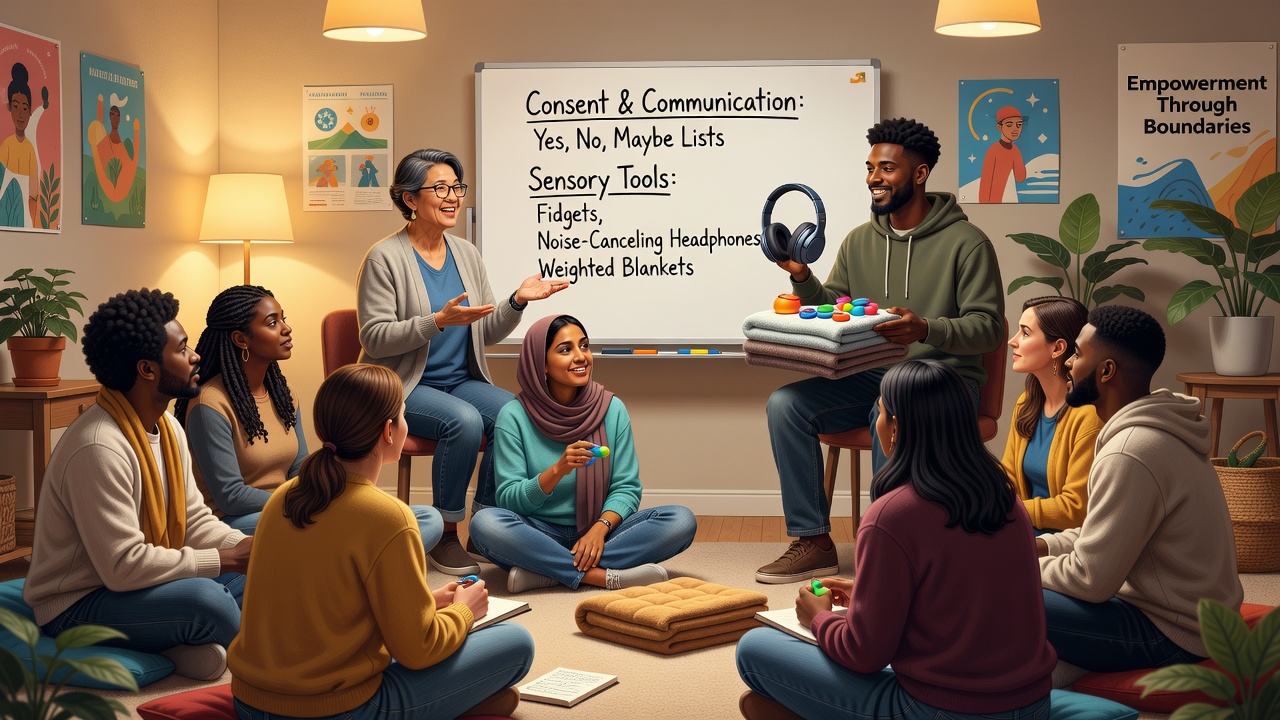
Navigating BDSM as a neurodivergent individual requires thoughtful adaptations to standard safety practices. This comprehensive guide explores tailored strategies for autistic, ADHD, and other neurodivergent kinksters, addressing sensory processing differences, communication barriers, and consent frameworks that promote risk reduction and judgment-free experiences in 2026. Whether you are new to kink or refining existing protocols, understanding these adaptations can transform how scenes are negotiated and enjoyed.
Understanding Neurodivergence in Kink Contexts
Neurodivergent people frequently experience heightened sensory sensitivities, executive dysfunction, and distinctive communication patterns that influence scene dynamics and safety maintenance. Standard BDSM protocols often assume neurotypical processing speeds and preferences, which can inadvertently create barriers. For instance, verbal safewords may become inaccessible during intense play for someone with auditory processing challenges. Recognizing these differences allows participants to build inclusive practices that honor individual neurology while preserving the core principles of consent and mutual respect. Research from major health organizations highlights the importance of personalized approaches in all intimate activities.
Many neurodivergent individuals report that traditional kink education overlooks their needs, leading to higher rates of overstimulation or miscommunication. By reframing safety through a neurodivergent lens, kinksters can create empowering environments that reduce anxiety and increase enjoyment. This section sets the foundation for the practical tools discussed later.
Customizing Safewords and Signals
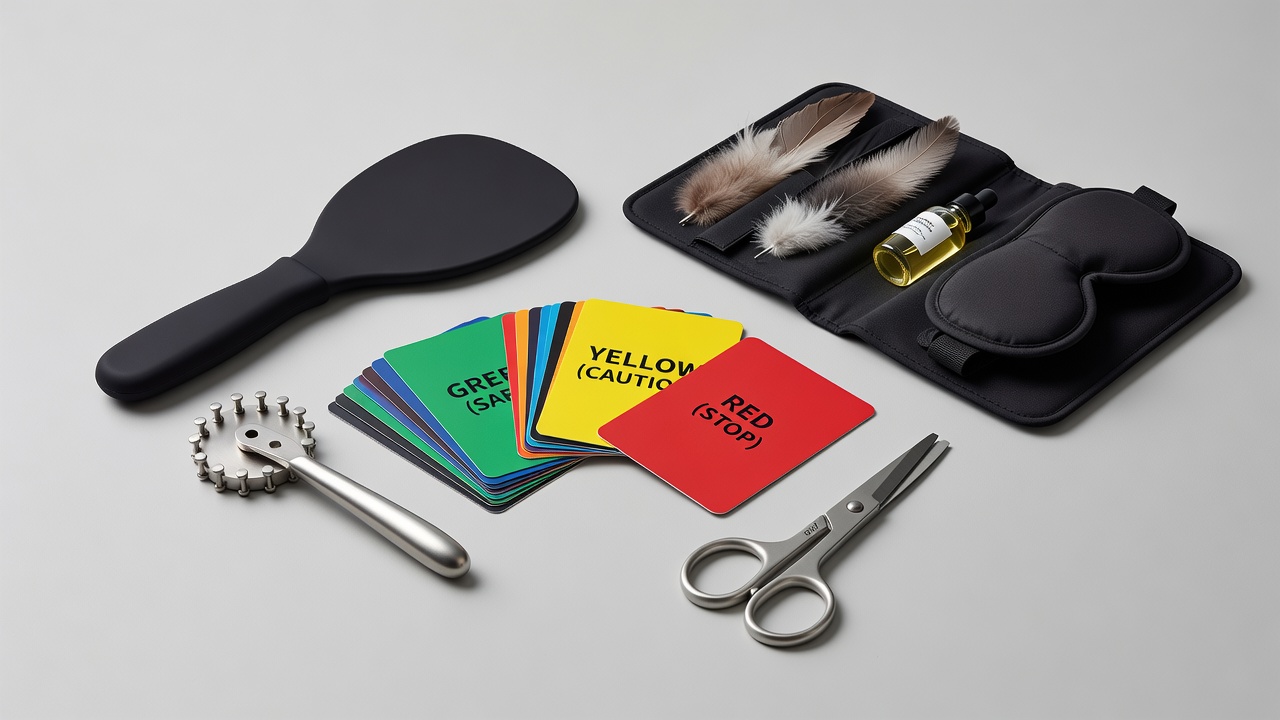
Traditional safewords such as “red,” “yellow,” and “green” serve many practitioners well, yet they often fall short for neurodivergent users who may struggle with verbal output under stress or sensory overload. Customization involves selecting signals that match personal processing styles, such as color-coded cards visible from across the room, smartphone vibration patterns, or specific hand gestures that feel intuitive. One practical example involves an autistic kinkster who replaced spoken words with a small LED light system that changes color based on comfort level, allowing seamless communication without breaking immersion.
Step-by-Step Safeword Setup Example
- Begin with a low-pressure discussion outside of any scene, listing sensory preferences and past challenges.
- Experiment with multiple signal types in everyday settings to identify what feels reliable.
- Document the chosen system in a shared digital or printed safety plan accessible to all participants.
- Conduct a trial run during a low-stakes activity before full scenes.
- Schedule regular reviews after play to refine signals based on real experiences.
These steps ensure signals remain effective even when executive function fluctuates.
Managing Overstimulation During Play
Overstimulation represents one of the most common hurdles in BDSM for neurodivergent participants. Bright lights, unexpected textures, loud music, or prolonged physical contact can rapidly shift from pleasurable to distressing. Effective management starts with pre-scene environmental planning: dimmable lighting, noise-canceling options, and designated quiet zones help maintain regulation. A sensory toolkit might include items like soft earplugs, a weighted lap pad, or a familiar scent diffuser that grounds the individual quickly.
Practical examples include establishing timed check-ins every ten minutes using a gentle tap rather than speech, or pre-agreeing on a “pause button” gesture that halts activity without ending the scene entirely. Comparisons reveal that standard protocols often emphasize continuous verbal feedback, whereas neurodivergent adaptations prioritize non-verbal cues and built-in recovery pauses. This approach minimizes risk while preserving the scene’s flow.
Aftercare Modifications and Comparisons
Aftercare looks different when sensory and executive function needs are considered. Standard practices like immediate cuddling and extended verbal processing can feel overwhelming or even painful for some neurodivergent people. Modified options include parallel activities such as reading side-by-side, exchanging written notes, or scheduling solo decompression time before reconnecting. A clear comparison shows standard aftercare often assumes emotional processing happens instantly, while neurodivergent versions allow delayed integration and respect varying energy levels.
Real-world application might involve an ADHD kinkster who prefers a short walk alone followed by a pre-written checklist of needs rather than spontaneous conversation. These modifications support emotional safety without forcing mismatched interactions.
Building a Personalized Safety Plan
Creating a robust safety plan involves systematic steps that account for executive dysfunction. Use the following expanded checklist during negotiation:
- Map out all known sensory triggers and corresponding accommodations, such as avoiding certain fabrics or sounds.
- Define primary and backup communication methods for every participant, including non-verbal options.
- Outline specific overstimulation response sequences with assigned roles for support.
- Detail aftercare preferences with timing and activity options clearly listed.
- Incorporate executive dysfunction supports like phone reminders, printed negotiation templates, or a trusted third-party witness for complex scenes.
- Include emergency contacts and medical considerations relevant to neurodivergence.
- Review the entire plan quarterly or after any significant change in health or relationships.
Following these steps produces a living document that evolves with experience and reduces the cognitive load of in-the-moment decisions.
Accessible BDSM Tools Selection
Choosing the right equipment further enhances safety and accessibility. Prioritize ergonomic designs with intuitive controls, clear visual instructions, and adjustable intensity settings that do not require complex setup. For example, impact toys with padded handles reduce hand strain, while restraint systems featuring quick-release mechanisms accommodate fluctuating motor skills. Testing items beforehand in non-intimate contexts helps identify potential sensory issues early.
Consent Adaptations and Executive Dysfunction Support
Consent remains foundational, yet neurodivergent individuals may need extended timelines or written formats to fully process agreements. Breaking negotiations into multiple short sessions with summaries prevents overwhelm. Templates that list desires, limits, and contingencies in bullet form lower barriers for those managing executive dysfunction. This method aligns with broader health guidelines emphasizing clear, ongoing communication.
FAQs on Common Challenges
How do I handle executive dysfunction during scene negotiation?
Break discussions into brief, scheduled segments and use written or visual aids. Record agreements in a shared note for later reference and revisit them before play begins.
What if overstimulation occurs mid-scene despite precautions?
Activate your pre-established pause signal immediately, move to a low-stimulation area, and apply toolkit items while checking in non-verbally. Reassess whether to continue or end the scene based on current capacity.
Are there recommended resources for further learning?
Explore inclusive health information from World Health Organization and practical guidance through CDC resources. Additional neurodivergence insights are available at National Institute of Mental Health.
Conclusion
Empowering BDSM experiences for neurodivergent kinksters emerge from intentional adaptations that prioritize clear consent, sensory awareness, and flexible safety measures. By implementing customized safewords, overstimulation protocols, modified aftercare, and detailed personal plans, participants foster environments that minimize risk while maximizing connection and pleasure. Continuous learning and open dialogue ensure these practices remain relevant and supportive across diverse neurology.

No comments yet. Be the first!