 Spicy Trip

Breaking the Ice at Sex-Positive Gatherings
Navigating social anxiety at sex-positive parties and kink events can feel overwhelming for beginners. Thoughtful icebreakers create safety, foster consent culture, and help guests connect authentically. This guide outlines eight versatile formats that respect orgy etiquette while scaling from low-touch conversation to gentle movement-based games. In 2026, successful events across major cities prioritize structured yet flexible activities that ease tension without pressuring anyone into intimacy. These starters align with modern consent protocols, ensuring every participant feels empowered from the moment they arrive.
Understanding Consent and Party Phases
Successful 2026 events emphasize ongoing consent. Icebreakers should begin in the arrival phase when guests are mingling and transition into the social hour before any play. Facilitators typically allocate 15-25 minutes per activity, checking energy levels and offering opt-out signals such as a raised hand or colored wristband. Clear communication remains central, with hosts modeling phrases like "Is this okay?" or "Would you like to continue?" Real-world examples from events in major cities show that structured starters reduce awkwardness and increase positive interactions by encouraging clear communication from the start. Organizers often reference resources from Planned Parenthood to train staff on inclusive practices.
Low-Touch Conversation Starters
1. Consent Story Circles
Guests sit in small groups and share a brief, positive consent experience. Each person speaks for two minutes while others listen without interruption. Facilitators model the format first. This activity works well in the first 30 minutes of a party and adapts easily for couples by allowing pairs to share together before opening to the circle. It builds empathy and normalizes discussing boundaries openly.
2. Boundary Bingo
Participants receive cards with prompts like "I love enthusiastic yeses" or "I prefer slow touch." They mingle to find matches without physical contact. Neurodivergent guests appreciate the visual structure and clear end goal. Singles can rotate freely while couples complete cards side by side. The game ends with a group debrief where winners share one insight.
3. Yes/No/Maybe Lists
Guests create quick personal lists of activities they feel enthusiastic about, neutral toward, or prefer to avoid. Sharing occurs in pairs or small groups with strict no-pressure rules. This format helps couples align expectations early and gives singles a safe way to express preferences verbally.
4. Two Truths and a Boundary
Each participant shares two true statements about their comfort zones and one fabricated boundary, inviting light discussion. The twist encourages curiosity while reinforcing that boundaries are valid. Facilitators ensure the tone stays respectful and fun, ideal for the arrival phase at 2026 events.
Movement-Based Games
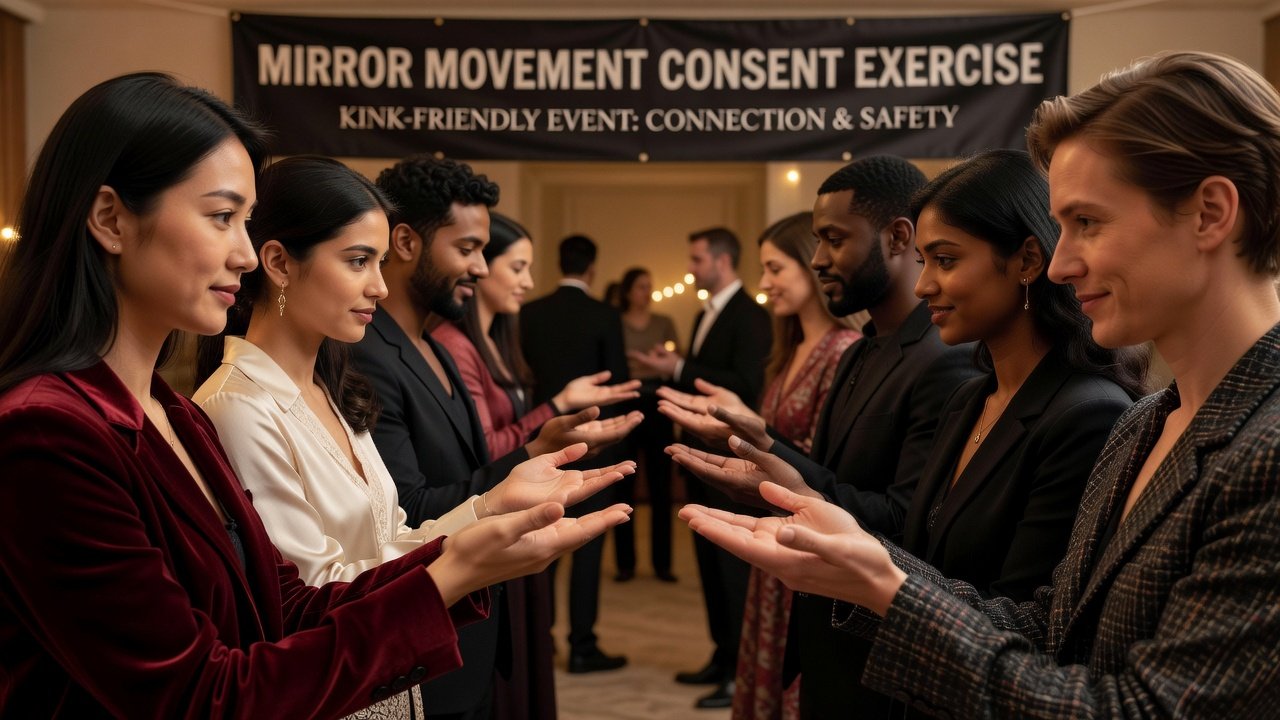
5. Mirror Movement
Pairs face each other and mirror slow, non-sexual gestures. The activity builds body awareness and nonverbal consent skills. Facilitators remind everyone that movement stops immediately if anyone feels uncomfortable. This format suits the pre-play phase and translates well across neurotypes by focusing on observable cues rather than spoken words.
6. Consent Wave
Guests form a loose circle and pass a gentle wave of touch or gesture around the group, with each person choosing how to participate. Clear verbal check-ins occur before and after. Organizers at 2026 events report this creates a shared rhythm that eases transition into more intimate interactions while maintaining individual agency.
7. Eye Contact Chain
Participants form a circle and make brief eye contact with each neighbor, practicing presence and reading nonverbal cues. The activity lasts five minutes and includes an option to look away at any time. It proves especially useful for neurodivergent guests who benefit from predictable, low-stakes social practice.
8. Gentle Touch Permission Game
In pairs, one person offers a menu of low-touch options such as hand-holding or shoulder tapping, and the other responds with enthusiastic yes, no, or maybe. Roles switch after two minutes. This directly practices consent language and works equally well for couples strengthening connection or singles meeting new people.
Adaptations for Different Guests
Neurodivergent attendees benefit from written instructions, quiet zones nearby, and the option to observe first. Couples may prefer paired versions of activities that strengthen their connection before engaging with others, while singles often enjoy rotating formats that allow broader mingling. Always provide multiple exit ramps and normalize saying "no thank you" without explanation. Hosts at recent events incorporate sensory-friendly lighting and printed agendas to support varied needs, drawing on best practices from organizations like the CDC.
Timing Recommendations
- Arrival (first 45 minutes): Low-touch verbal games such as Consent Story Circles or Boundary Bingo to build initial comfort.
- Social hour: Movement activities like Mirror Movement or Consent Wave with clear boundaries to increase energy gradually.
- Pre-play transition: Short, high-energy games that end on a positive note, such as the Gentle Touch Permission Game, helping guests shift mindset smoothly.
These timings are flexible; experienced facilitators adjust based on group size and observed comfort levels.
Real-World Examples from 2026 Events
At a well-attended gathering in New York earlier this year, organizers used Yes/No/Maybe Lists followed by Eye Contact Chain, resulting in smoother transitions to play and fewer reported anxieties. In European kink events, Boundary Bingo helped mixed groups of couples and singles connect without pressure. These examples highlight how adaptable the formats are when tailored to venue size and attendee demographics.
Mistakes to Avoid
Common pitfalls include rushing activities, skipping opt-out reminders, or assuming all guests want physical involvement. Facilitators should avoid competitive elements that pressure participation and always have backup low-energy options ready. Overlooking neurodivergent needs, such as clear instructions or breaks, can also reduce inclusivity.
Transitioning from Icebreakers into Play
After icebreakers conclude, hosts often invite guests to continue conversations organically or move to designated play areas. Clear announcements like "Feel free to explore at your own pace" help maintain the consent culture established earlier. Many 2026 parties provide follow-up check-ins to ensure everyone feels supported.
Frequently Asked Questions
How do I politely decline an icebreaker?
State your preference clearly: "I'm going to sit this one out and watch." Most organizers provide seating areas for observers and respect this choice without follow-up questions.
What if an activity feels too intense?
Signal the facilitator immediately. Events in 2026 prioritize participant comfort and will adjust or pause any game without judgment, often offering alternative low-stakes roles.
Can couples participate separately?
Yes. Many activities offer both paired and individual options so partners can choose their comfort level independently while still sharing the experience.
How do icebreakers support orgy etiquette?
They establish early norms around verbal consent, personal space, and respect for "no," which carry forward into any group play that follows.
These icebreakers, drawn from successful 2026 gatherings, help create inclusive environments where everyone feels respected. For additional consent resources, explore guidance from Planned Parenthood, the CDC, and World Health Organization.

No comments yet. Be the first!