 Spicy Trip
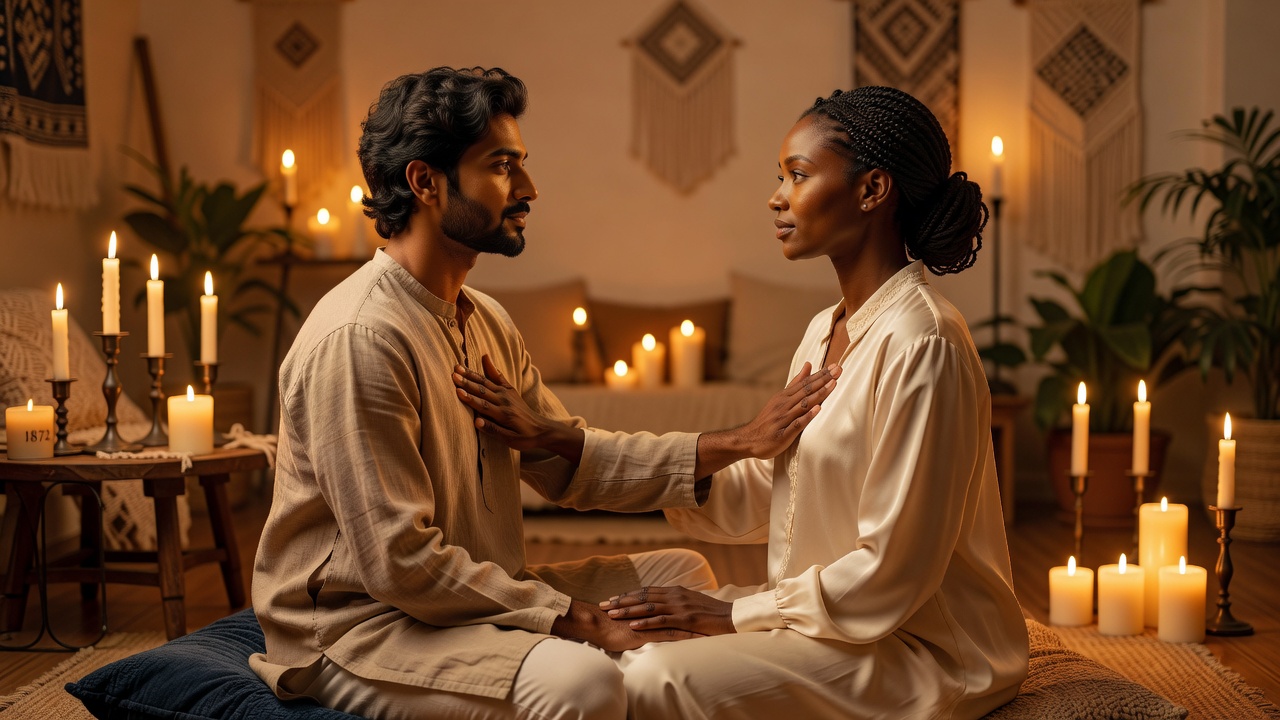
Consent in Tantra Practices for Deeper Sexual Mindfulness 2026
In the evolving landscape of erotic wellness, consent serves as the foundation that transforms tantra from a set of physical techniques into a profoundly mindful and ethical practice. As practitioners seek deeper sexual mindfulness in 2026, integrating dynamic consent ensures safety, respect, and authentic connection. This approach goes beyond basic agreements, creating space for ongoing communication that elevates pleasure self-care for individuals and couples alike. Readers exploring tantra often arrive with questions about how to honor personal limits while pursuing heightened states of awareness and pleasure, making consent not an afterthought but the very breath of the practice.
Defining Dynamic Consent in Tantra
Dynamic consent in tantra refers to an ongoing, enthusiastic, and revocable agreement that adapts to changing emotional, physical, and energetic states during practice. Unlike static yes-or-no models, it emphasizes continuous check-ins that honor the fluid nature of energy work and arousal. This framework draws from modern consent education while aligning with tantra's focus on presence and awareness. Dynamic consent recognizes that a person's capacity and desires can shift moment to moment, especially when working with subtle energies such as breath, touch, and visualization. It requires participants to remain attentive and responsive rather than assuming prior agreements remain unchanged throughout a session.
Traditional tantra texts, such as the Kinsey Institute resources on sexual health, highlight union and energy exchange, yet contemporary interpretations stress explicit consent to prevent misinterpretation of subtle cues. Dynamic consent prevents assumptions, fostering trust that allows deeper exploration. Practitioners who adopt this model report greater emotional safety and more profound experiences of connection because both parties feel empowered to speak up at any time.
Navigating Boundaries During Energy Work
Energy work in tantra often involves breath synchronization, touch, and visualization that can intensify sensations quickly. Practitioners must establish clear boundaries beforehand while remaining open to adjustments. Common pitfalls include ignoring nonverbal signals or pushing through discomfort in pursuit of "higher states." Effective navigation includes pre-session discussions about physical limits, emotional triggers, and safe words. For example, a simple phrase like "pause and check" signals the need for recalibration without breaking the flow entirely. Boundaries may involve specific areas of the body, preferred pressure levels, or even the length of time spent in certain positions. Regular verbal check-ins every five to seven minutes help maintain alignment between partners and reduce the risk of crossing into unintended territory.

Step-by-Step Scripts for Consent Rituals
Incorporating consent into tantra begins with structured rituals. Here is a practical script for partnered practice: First, create an opening circle lasting two to three minutes where partners sit facing each other and state their current boundaries aloud. One partner might say, "I invite you to share what feels good and safe today. My boundaries are no pressure on the lower back and a preference for lighter touch on the arms." The other responds in kind. Second, schedule energy check-ins during breathwork or touch, pausing to ask, "How is your energy flowing right now? Would you like more pressure, a change in pace, or a moment of stillness?" Third, close the session with a mutual affirmation of gratitude and respect. For solo tantra, adapt this by journaling intentions at the start: "Today I consent to exploring my body with curiosity, stopping immediately at any sign of tension or distraction." A second solo script involves setting a timer for periodic self-inquiries, such as "Does this sensation still feel welcome?" These rituals build muscle memory for mindful communication that carries into everyday intimacy.
Comparisons to Traditional Tantra Texts
Ancient texts like the Shiva Sutras emphasize surrender and awareness but assume implicit mutual understanding within cultural contexts. Modern practitioners benefit from explicit consent to address power dynamics absent in historical writings. This evolution aligns tantra with current ethical standards, making practices more accessible and inclusive across diverse identities and relationship structures. Where older texts often describe energy rising through the chakras without detailing verbal safeguards, today's approach layers contemporary communication tools onto those foundations. The result is a hybrid practice that preserves the spiritual depth of classical tantra while meeting the safety needs of contemporary participants.
Real-World Examples of Consent Check-Ins
Consider a couple new to tantra: During a session, one partner notices hesitation in the other's breathing. They pause and ask, "Is this intensity okay, or shall we soften?" This check-in leads to adjusted pacing, resulting in deeper relaxation and connection. Another example involves a solo practitioner using guided audio that prompts boundary reflections every few minutes, helping integrate mindfulness into daily routines. A third scenario features a small group workshop where participants practice consent circles before any paired exercises, creating a shared language that reduces awkwardness and increases confidence. These examples demonstrate how consent check-ins become natural extensions of the practice rather than interruptions.
Integrating Consent into Daily Sexual Mindfulness
Build habits through micro-practices: Morning affirmations about bodily autonomy, evening reflections on desires, and weekly partner dialogues. These tools create sustainable routines that enhance overall well-being. Start each day by placing a hand on your heart and stating one personal boundary or desire. In the evening, review the day with a short journal entry noting moments when consent felt honored or overlooked. Over time, these habits strengthen the internal compass that guides all sexual and energetic interactions. Partners can schedule brief Sunday evening conversations to discuss upcoming weeks and any evolving limits, turning consent into an ongoing lifestyle rather than an event-specific discussion.
Common Mistakes to Avoid
Many practitioners inadvertently undermine consent by treating it as a one-time conversation at the beginning of a relationship. Another frequent error is relying solely on nonverbal cues without confirming them verbally, especially when fatigue or distraction is present. Some individuals skip closing rituals, leaving emotional residue unprocessed. Avoiding these mistakes requires deliberate repetition of consent protocols until they become second nature. Keeping a small notebook nearby during early practice sessions can help track what worked and what needs refinement.
Frequently Asked Questions
- How do I bring up consent without ruining the mood? Frame it as an act of care: "Let's check in so we can fully enjoy this."
- What if boundaries change mid-session? Honor the shift immediately—revocation is always valid.
- Is consent different in solo tantra? Yes, it focuses on self-compassion and listening to internal signals.
- Can consent rituals feel mechanical at first? Yes, but with consistent practice they become fluid and even sensual components of the experience.
By prioritizing consent, tantra becomes a pathway to authentic, mindful pleasure that respects all participants and deepens the quality of every interaction.


No comments yet. Be the first!