 Spicy Trip
Introduction to Tantric Sound Healing
Tantric sound healing merges ancient vibrational practices with modern erotic wellness techniques, offering a sensory pathway to deeper pleasure and self-connection. In 2026, this approach stands out for those seeking innovative methods that go beyond breathwork or touch-focused tantra. Sound frequencies stimulate the nervous system, promote relaxation, and heighten arousal through resonance with the body's energy centers. Practitioners worldwide are turning to these methods to address common challenges in sexual mindfulness, such as mental distractions or limited sensory engagement during intimate moments.
By incorporating vocal toning and specific audio tools, individuals report enhanced intimacy with self and partners. This practice aligns with search trends around sensory-based sexual mindfulness, emphasizing safety, consent, and gradual exploration. Whether you are new to tantra or an experienced practitioner, understanding the foundations allows for personalized integration that supports long-term erotic wellness goals.
Historical Roots and Core Principles of Sound in Tantra
The use of sound in tantric traditions dates back centuries, originating in ancient Indian and Tibetan practices where mantras and chants were believed to awaken kundalini energy. Modern adaptations blend these with contemporary sound therapy, creating accessible entry points for erotic wellness. Core principles include resonance, intention setting, and the idea that every cell in the body responds to vibrational input. This creates opportunities for releasing stored tension in erogenous zones while fostering a profound mind-body connection.
Sound healing encourages a non-goal-oriented approach to pleasure, shifting focus from performance to presence. This mindset helps reduce anxiety often associated with intimacy and promotes self-acceptance. Over time, regular engagement can lead to improved body awareness and heightened sensitivity during solo or partnered activities.
The Science Behind Sound Frequencies in Arousal
Sound healing leverages the principle that certain frequencies influence brainwave states. Binaural beats, created when two slightly different tones play in each ear, encourage theta or alpha waves associated with relaxed yet heightened awareness. Research from institutions like Mayo Clinic supports sound therapy for stress reduction, which indirectly supports erotic wellness by lowering inhibitions. Additional studies referenced on National Institutes of Health sites highlight how rhythmic auditory stimulation can modulate autonomic nervous system responses, leading to increased parasympathetic activity conducive to arousal.
These beats can target the sacral chakra area, linked to sexual energy. Users often experience increased blood flow and sensory sensitivity during sessions. Frequencies between 200-400 Hz are commonly explored for pelvic resonance, while higher ranges support emotional openness. Unlike passive listening, active integration with tantric breath amplifies effects, creating a feedback loop of pleasure and mindfulness that deepens over repeated practices.
Step-by-Step Vocal Toning Exercises for Beginners to Advanced
Vocal toning involves sustained humming or chanting to vibrate specific body areas. Beginners start with simple exercises to build comfort and progress to more intricate patterns.
- Find a quiet space and sit comfortably with spine aligned. Place hands on the lower abdomen to anchor awareness in the pelvic region.
- Inhale deeply through the nose for a count of four, then exhale with a low "om" sound lasting eight counts, feeling vibrations radiate through the pelvis and thighs.
- Experiment with lip trills or gentle sighs to release jaw tension that often blocks erotic expression.
- Progress to higher pitches targeting the heart or throat for emotional release tied to erotic expression, holding each tone for 20-30 seconds.
- Incorporate movement such as slow hip circles synchronized with the sound to enhance energetic flow.
- For advanced practitioners, layer multiple tones or use partner-assisted toning where one vocalizes while the other focuses on receiving sensations.
Daily 15-minute sessions yield noticeable improvements in pleasure responsiveness within two to three weeks. Record your voice during practice to track tonal clarity and emotional shifts over time.
Recommended Tools and How to Select Them
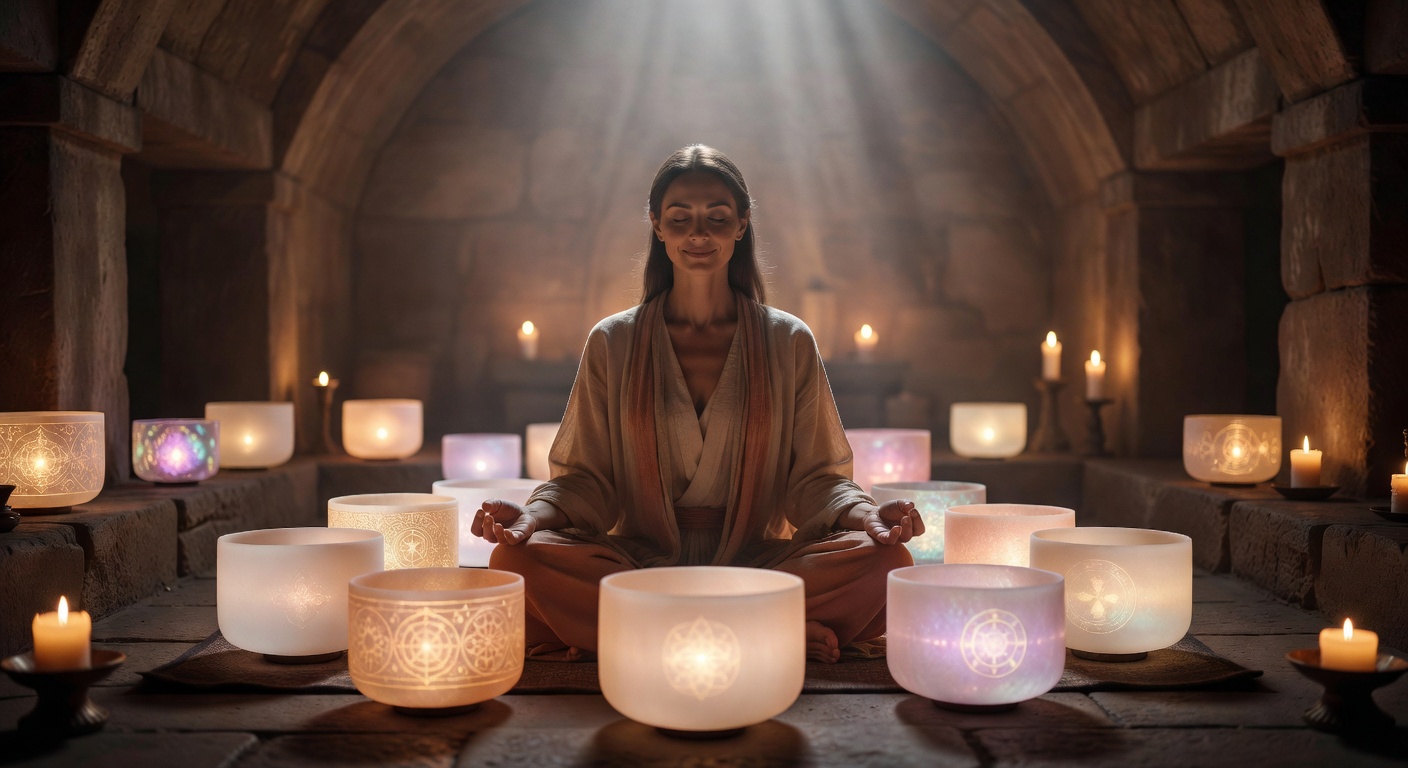
Crystal singing bowls tuned to specific notes like D for the sacral chakra provide pure tones that fill a room with sustained resonance. Tibetan singing bowls or tuning forks offer portable alternatives suitable for travel or smaller spaces. Digital apps delivering customized binaural beats complement physical tools by allowing precise frequency control. Traditional chants drawn from respected tantric lineages add cultural depth when approached with respect and proper guidance.
When selecting tools, consider material quality, tuning accuracy, and personal resonance during initial trials. Many users begin with a single bowl and expand collections gradually. Maintenance involves gentle cleaning and storage in dry environments to preserve vibrational integrity.

Integrating Sound Healing with Broader Tantric Practices
Combine sound with classic tantric elements such as eye gazing, mudras, and conscious touch for layered experiences. Start sessions by setting an erotic intention, then transition from grounding sounds into arousal-focused frequencies. This sequencing mirrors the natural progression of energy in the body and prevents overwhelm for newcomers.
Journaling after each session helps identify which frequencies or tones produce the strongest responses, allowing refinement of personal protocols. Over months, this builds a customized erotic wellness toolkit that evolves with individual needs and relationship dynamics.
Comparing Sound Healing to Breathwork Techniques
Traditional tantric breathwork like alternate nostril breathing focuses on oxygenation and energy circulation. Sound healing adds an auditory layer, engaging more senses for immersive experiences. Breathwork excels in quick stress relief during high-anxiety moments, while sound provides sustained resonance that lingers post-session and supports deeper states of pleasure.
Many combine both methods effectively: begin with breath to center the mind, then layer toning for amplification. This hybrid approach often yields superior results for erotic mindfulness compared to either method alone. Breathwork requires no equipment, making it ideal for spontaneous practice, whereas sound tools create dedicated ritual spaces that enhance commitment.
Real-World Practitioner Case Examples
One certified tantra coach in California integrated crystal bowls into client sessions, noting improved orgasmic potential after four weeks of consistent vocal exercises. Participants described greater emotional openness and reduced performance pressure. Another wellness center in Europe reported higher satisfaction rates when binaural audio accompanied vocal exercises during couples workshops, with attendees highlighting strengthened communication around desires.
These examples underscore adaptability across solo and partnered contexts, showing how sound healing complements diverse lifestyles and experience levels. Tracking progress through simple metrics like session enjoyment ratings helps validate personal benefits.
Practical Tips, Common Mistakes, and Daily Integration
Beginners should avoid forcing tones or comparing progress to others. Instead, focus on enjoyment and bodily feedback. Common mistakes include playing frequencies too loudly, skipping warm-up breaths, or neglecting hydration, which can affect vocal quality. Integrate practices into daily routines by using short toning during morning showers or evening wind-down periods.
Consistency matters more than duration; even five-minute sessions accumulate meaningful shifts in erotic awareness. Pairing with nutrition and sleep optimization further amplifies results by supporting overall vitality.
FAQ: Safety, Session Setup, and Beginner Guidance
Is tantric sound healing safe for everyone?
Generally yes, but consult a healthcare provider if you have auditory sensitivities, epilepsy, or heart conditions. Start slowly and stop immediately if discomfort arises.
How do I set up my first session?
Choose a private area free from interruptions, gather tools, dim lights, and set an intention focused on pleasure rather than outcomes. Use quality headphones for binaural beats and maintain moderate volumes.
Can beginners practice without a guide?
Yes, with reputable online resources or apps, but a qualified instructor accelerates learning, corrects form, and ensures emotional safety during intense releases.
What if I feel self-conscious about vocalizing?
Begin in private with soft humming and gradually increase volume. Many find that self-consciousness fades within the first few sessions as focus shifts inward.
How often should sessions occur?
Three to five times weekly works well for most, allowing recovery while building momentum. Listen to your body and adjust frequency accordingly.
Are there contraindications with medications?
Sound healing is non-invasive, but discuss with your doctor if you take medications affecting hearing or mood regulation.
Conclusion
Tantric sound healing enriches erotic wellness by tapping into vibrational power for profound pleasure and connection. With consistent practice, vocal exercises, mindful tool use, and integration with existing tantric methods, it becomes a transformative addition to self-care routines. Explore safely, remain patient with the process, and enjoy the journey toward heightened sensory awareness and lasting erotic fulfillment.

No comments yet. Be the first!