 Spicy Trip

In 2026, people searching for evidence-based ways to elevate sexual mindfulness often compare tantra practices with traditional mindfulness techniques. Both approaches support erotic wellness by fostering presence and reducing distractions during intimate moments, yet they offer distinct pathways to pleasure and self-care. This in-depth guide examines their core differences, direct technique comparisons, benefits for solo and partnered experiences, and practical integration strategies that deliver measurable improvements in arousal, connection, and satisfaction.
Understanding Mindfulness in Erotic Wellness
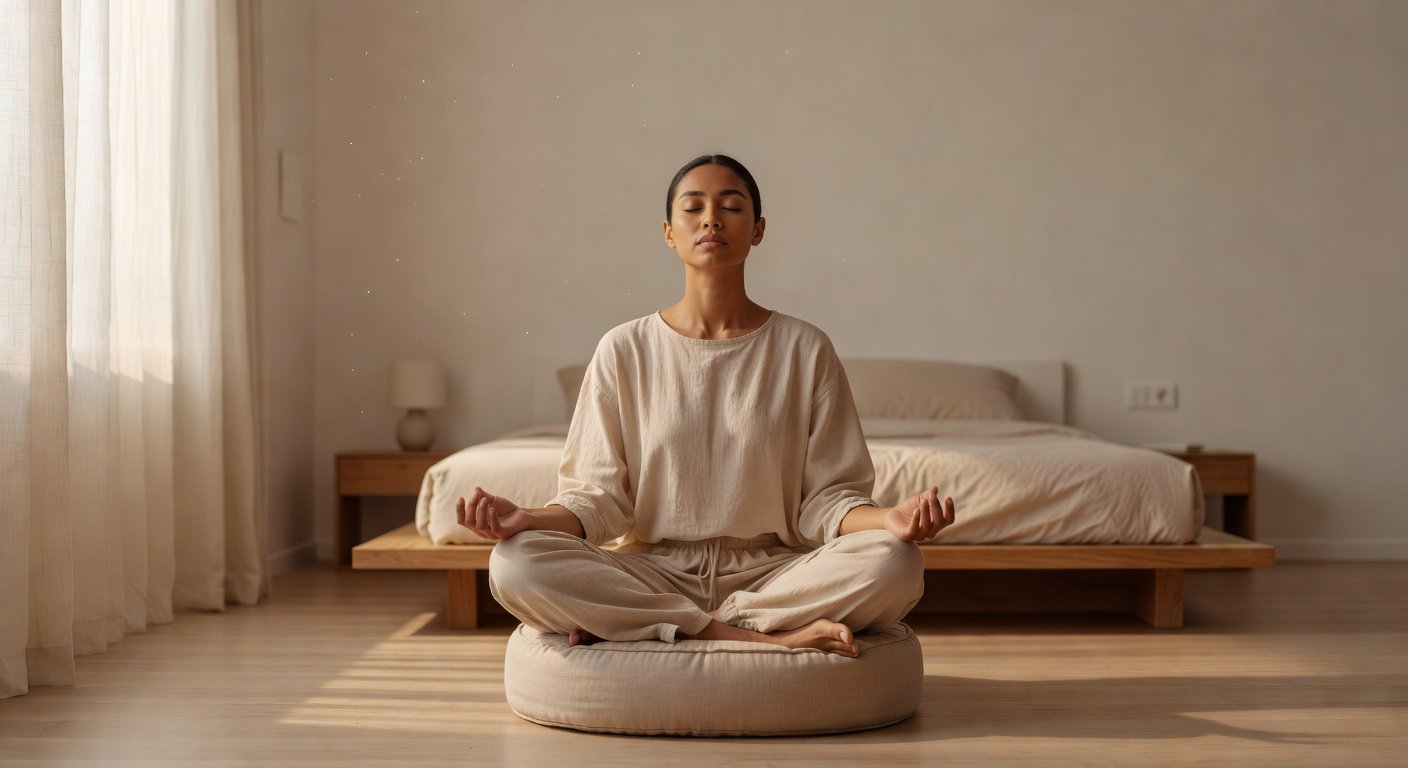
Mindfulness involves cultivating non-judgmental awareness of the present moment through focused attention on breath, bodily sensations, and thoughts. When applied to erotic contexts, it helps individuals stay grounded during arousal, minimizing anxiety about performance or outcomes. A typical session might begin with observing the rise and fall of the chest while gently acknowledging any wandering thoughts about daily stressors before redirecting focus to physical touch or warmth in erogenous zones.
Evidence from major health organizations highlights how regular mindfulness practice lowers stress hormones and improves emotional regulation, indirectly enhancing sexual responsiveness. For erotic wellness specifically, this means greater sensitivity to subtle cues like skin temperature changes or muscle tension that signal building pleasure.
Core Principles of Tantra for Erotic Connection
Tantra views sexual energy as a vital life force that can be consciously directed through breath, movement, and intention to achieve expanded states of consciousness and prolonged pleasure. Key elements include energy locks known as bandhas, rhythmic breathing patterns, and the concept of sacred union between partners or within oneself. Unlike purely meditative approaches, tantra often incorporates visualization of energy channels and deliberate pacing to delay or intensify orgasmic sensations.
Practitioners learn to recognize and circulate subtle energies, transforming ordinary touch into a meditative ritual. This creates opportunities for deeper emotional intimacy alongside physical satisfaction, making it particularly effective for those seeking to move beyond routine encounters.
Direct Technique Comparisons for Arousal and Presence
While both methods promote presence, their tools differ significantly. Mindfulness emphasizes passive observation, whereas tantra adds active energy manipulation. Consider these paired examples during intimate moments:
- Mindfulness breath focus: Simply notice inhalation and exhalation for three minutes while receiving touch, allowing sensations to arise naturally without directing them.
- Tantra breathwork: Use alternate nostril breathing followed by gentle pelvic floor contractions to draw energy upward, extending arousal phases for ten to fifteen minutes.
- Mindfulness body scan: Mentally travel from toes to crown, noting areas of tingling or heat without attempting to change them.
- Tantra energy visualization: Imagine warm light traveling along the spine during exhalation, combining awareness with intentional circulation.
These comparisons show how mindfulness provides a foundation of acceptance while tantra introduces dynamic tools for amplification.
Benefits for Solo Experiences
Solo practice builds self-awareness and comfort with one's own responses. A mindfulness-only approach might involve a 15-minute session of observing self-touch without goals, leading to reduced shame and increased enjoyment of personal rhythms. Tantra adds layers such as synchronized breathing with self-massage, helping users experience fuller waves of sensation that can last longer than typical quick sessions. Many report heightened body confidence after consistent solo integration.
Benefits for Partnered Experiences
In couples, mindfulness improves listening during communication about desires, while tantra fosters synchronized states through shared breathing and eye contact. Partners practicing together often note stronger emotional bonds and more satisfying climaxes due to prolonged foreplay. For instance, a couple might alternate between mindful observation of each other's breathing and tantric eye-gazing exercises to deepen presence and mutual arousal.
Integration Methods and Hybrid Exercises
Combining the two creates hybrid routines that leverage acceptance from mindfulness with energetic direction from tantra. Below are detailed step-by-step examples suitable for daily use.
Hybrid Exercise 1: Grounded Energy Activation
- Begin seated with eyes closed and spend five minutes practicing basic mindfulness by labeling thoughts as they arise and returning to breath awareness.
- Transition to tantric alternate nostril breathing for four rounds, closing one nostril at a time while visualizing energy rising from the base of the spine.
- Introduce gentle self-touch or partner touch, maintaining awareness of both physical sensations and energy movement without rushing toward climax.
- End with three minutes of shared stillness, observing aftereffects in the body.
Hybrid Exercise 2: Presence During Touch
- Start with a full-body mindfulness scan lasting six minutes to arrive fully in the present.
- Layer tantric elements by adding slow pelvic tilts synchronized with exhale while maintaining eye contact if partnered.
- Progress to exploring erogenous zones with deliberate pacing, pausing every two minutes to check in with breath and sensation.
- Conclude by journaling one insight about heightened presence or energy shifts.
Hybrid Exercise 3: Evening Wind-Down Ritual
- Perform five minutes of mindfulness meditation focused solely on bodily relaxation.
- Incorporate tantric micro-movements such as subtle spinal waves while breathing deeply for another five minutes.
- Apply the combined awareness during any intimate activity, alternating between passive noticing and active energy direction.
- Finish with gratitude reflection to reinforce positive associations.
Pros and Cons Analysis
Mindfulness offers broad accessibility and strong scientific backing for stress reduction, yet it can sometimes lack the dynamic intensity some individuals crave during erotic encounters. Tantra delivers profound energetic experiences and relational depth but demands greater initial commitment to learning specific techniques and may initially overwhelm beginners. Hybrid use mitigates these limitations by providing both stability and expansion, leading to more consistent results across different contexts and experience levels.
Practical Daily Routines for 2026
Structure a sustainable schedule around short, repeatable sessions. Weekday mornings could include ten minutes of mindfulness followed by five minutes of tantric breathing. Evenings might feature a hybrid exercise before bed. Over a full week, alternate emphasis: Monday and Thursday focus more on mindfulness foundations, Tuesday and Friday incorporate tantric elements, and weekends dedicate twenty minutes to full hybrid practices. Track progress through simple notes on presence levels and pleasure quality to identify what works best personally.
Common Mistakes to Avoid
- Rushing techniques without proper grounding, which reduces effectiveness.
- Ignoring consent and communication when practicing with partners.
- Expecting instant results instead of allowing gradual adaptation over weeks.
- Skipping rest days, leading to burnout rather than sustainable growth.
FAQ
Is tantra safe for beginners? Yes, when introduced gradually through reputable instruction and always prioritizing physical comfort and clear consent boundaries.
How long until noticeable results appear? Consistent hybrid practice typically yields improved presence and arousal awareness within three to six weeks, with continued gains over months.
Can these methods address specific sexual concerns? They support general wellness and presence but work best alongside professional guidance for issues like dysfunction or trauma.
Are there any prerequisites such as prior meditation experience? No prior experience is required; both approaches welcome newcomers with simple starting exercises.
How do cultural backgrounds influence practice? Adaptations respect individual values while focusing on universal benefits of breath and awareness for erotic wellness.

No comments yet. Be the first!